
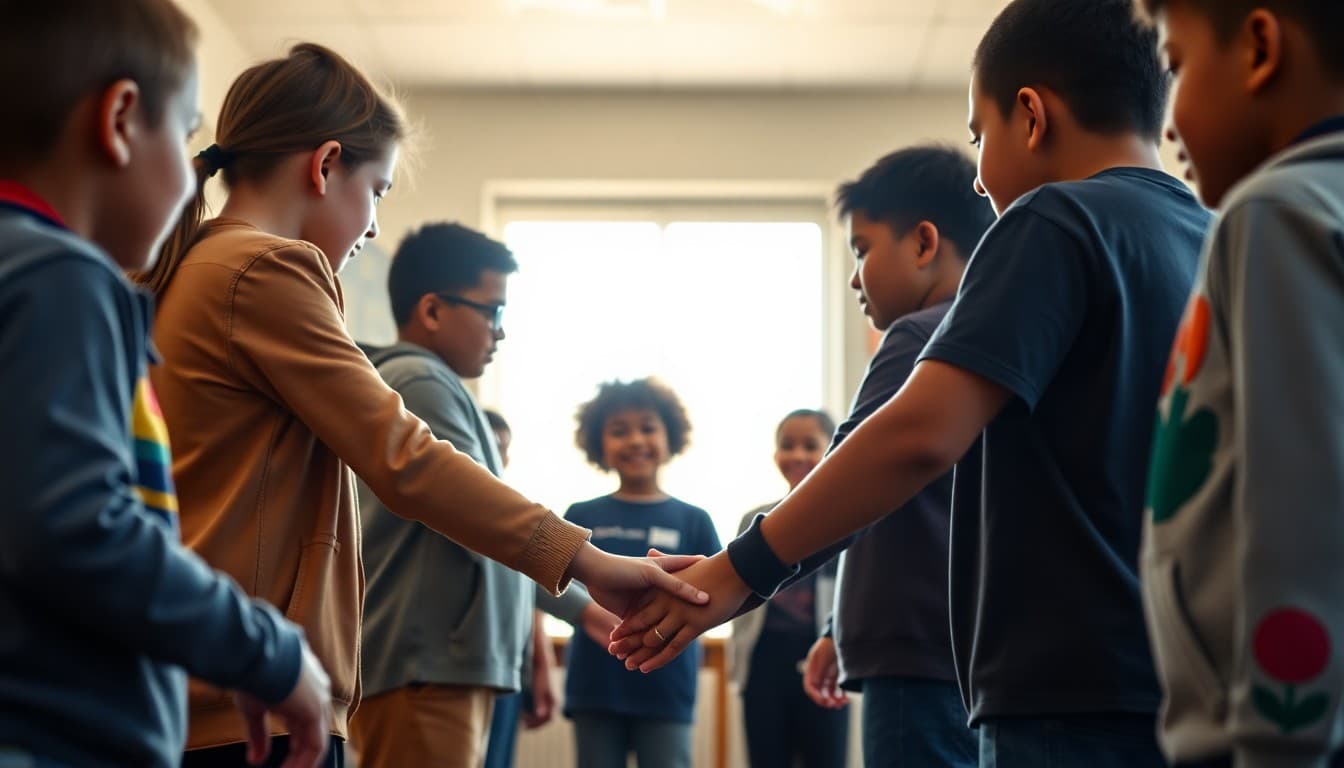
School Newsletter: Honoring Dr. Martin Luther King Jr.
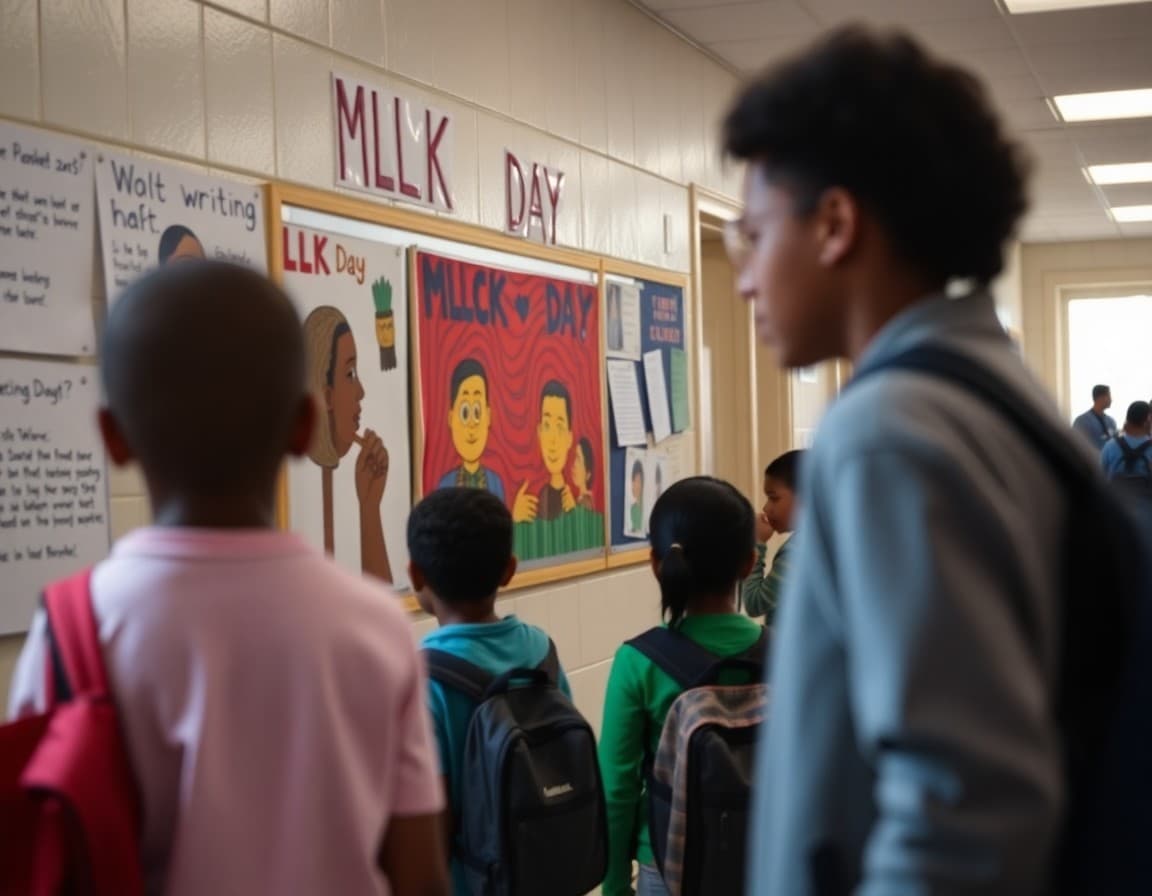
Go Beyond the Quote
Most school MLK Day communications include Dr. King's most famous quotes and call it done. A newsletter that connects those quotes to something real in the school community -- a student project, a service initiative, a classroom discussion about fairness -- demonstrates that the observance is connected to the school's living values, not just a calendar event. What did students do this week that reflects the themes of justice and service? Lead with that.
What Students Are Learning Right Now
Give families a specific window into what their children are learning around the MLK Day period. A third-grade class reading a picture book biography of Dr. King. A fifth-grade class comparing nonviolent movements across history. A middle school class analyzing primary source documents from the Civil Rights Movement. Specific curriculum content gives families a way to continue the conversation at home with the actual material their child is engaging with at school.
A Service Opportunity Connected to the Legacy
Include one concrete service opportunity in the newsletter -- something families can do together or students can do at school. A neighborhood cleanup. A food drive with a specific collection box and deadline. A letter-writing project for homebound seniors. A book donation drive. MLK Day is officially designated as a National Day of Service, and your newsletter is the right place to give families a clear, accessible way to honor that designation.
Age-Appropriate Resources for Home Conversations
Share two or three resources families can use to continue MLK Day learning at home. A picture book for younger students. A documentary clip accessible online. A brief podcast episode. A family discussion guide from a civil rights education organization. Families who want to engage more deeply than school time allows appreciate having a clear starting point rather than being told to 'research more at home.'
Student Work Worth Sharing
If students created artwork, wrote reflections, or produced projects connected to MLK Day themes, share one or two examples in the newsletter. A student quote about what Dr. King's legacy means to them. A piece of student artwork from the observation. A brief summary of a classroom discussion. Student voice in the newsletter gives families a direct window into what their children are thinking and builds pride in the school's learning community.
Connecting the Legacy to Your School Community
The most powerful MLK Day newsletter does not stay in 1963. It connects the themes of justice, dignity, and community to the specific school community families are part of. What does our school do to make every student feel equally valued and seen? How do we respond when students experience unfairness? What are we working on in our community that reflects the values Dr. King championed? Connecting historical learning to present-day community building is where the deepest impact happens.
Respecting the Gravity of the Day
MLK Day deserves more than a bullet point in the January newsletter. Give the observance its own section, lead it with genuine intention, and write it as if you are talking to a community that takes the legacy seriously -- because most families do. A brief, thoughtful, specific newsletter section on MLK Day communicates that your school takes its values seriously and expects families to engage with the history, not just observe the holiday.
Get one newsletter idea every week.
Free. For teachers. No spam.
Frequently asked questions
What should a school MLK Day newsletter include?
A brief explanation of why the school observes MLK Day. A description of what students are learning or doing in class around the holiday. One or two age-appropriate resources families can use at home to continue the conversation. A community service opportunity connected to Dr. King's legacy. And a specific student or class project that connects the themes of justice and service to the school community.
How do you write about MLK Day for a diverse school community?
Write about the universally applicable themes of Dr. King's legacy: justice, dignity, nonviolent action, community, and the belief that ordinary people can create meaningful change. These themes resonate across backgrounds. Avoid reducing the observance to feel-good sentiment or oversimplifying the history. Age-appropriate honesty about what MLK Day commemorates builds more genuine understanding than a sanitized celebration.
What service learning activities can schools promote in the MLK Day newsletter?
Canned food drives, letter-writing campaigns to community members in need, school or neighborhood cleanup projects, visits to senior centers, and organizing book drives for under-resourced classrooms. Connect the service to the themes of Dr. King's work: community, equity, and action. Activities that ask students to consider who in their community needs support, and then do something about it, embody the spirit of the day more than passive observances.
Should the MLK Day newsletter acknowledge racial justice directly?
Yes, in age-appropriate terms. Dr. King's work was explicitly about racial justice. A newsletter that honors his legacy without naming what he was working against does a disservice to his memory and to students who need accurate historical context. Use language appropriate to your school's grade range. Elementary-level language can discuss fairness, dignity, and the right of all people to be treated equally. Older students can engage with more complex historical context.
How can Daystage help schools send MLK Day newsletters?
Daystage lets schools create a thoughtful, well-formatted MLK Day newsletter with service learning links, curriculum resources for families, and student work highlights. The newsletter reaches every family's inbox directly, making it easy for families to continue classroom conversations at home.

Adi Ackerman
Author
Adi Ackerman is a former classroom teacher and curriculum writer with 8 years in K-8 schools. She writes about school communication, parent engagement, and what actually works in real classrooms.
More for Community Outreach
School Newsletter: Black History Month Celebrations and Activities
Community Outreach · 6 min read
Community Service Learning Newsletter: Communicating Student Community Work to Families and Partners
Community Outreach · 5 min read
School Newsletter: Honoring Indigenous Peoples Day in Our Community
Community Outreach · 6 min read
Ready to send your first newsletter?
3 newsletters free. No credit card. First one ready in under 5 minutes.
Get started free