
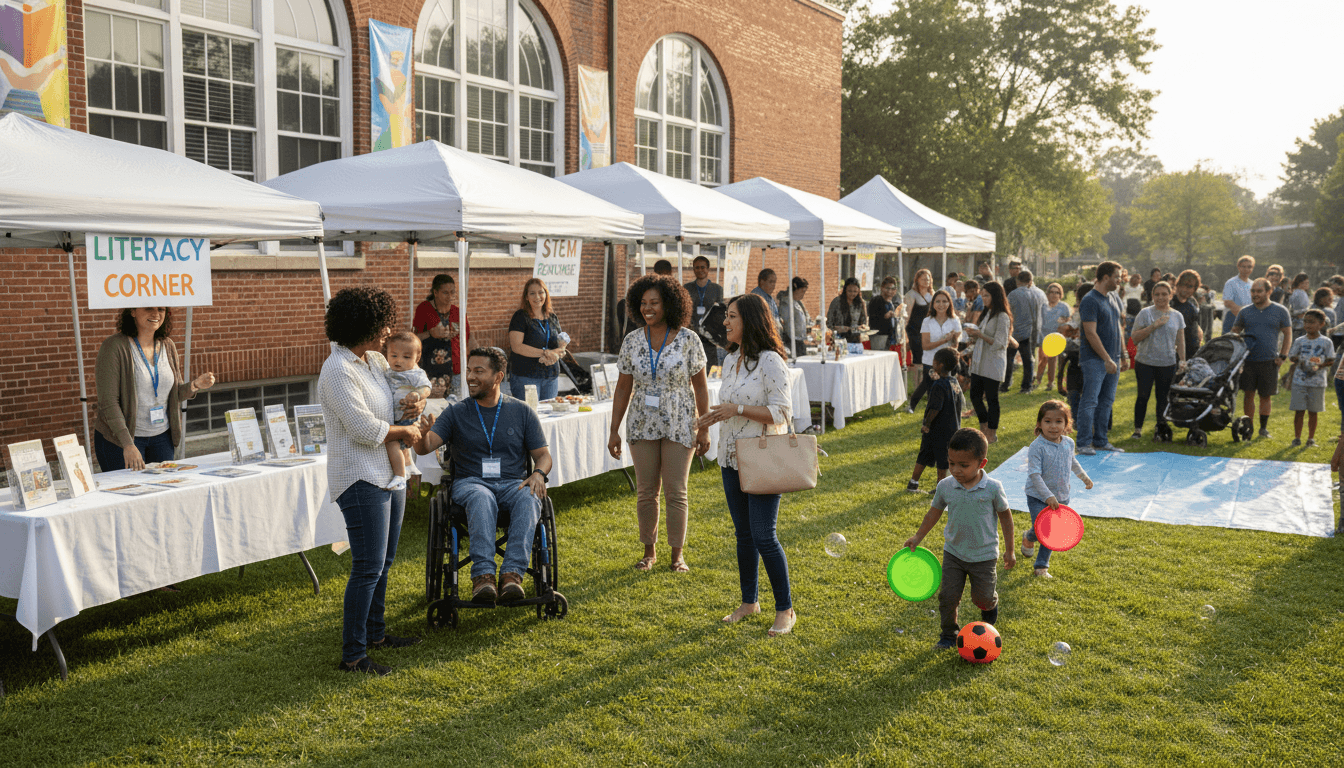
Community Service Learning Newsletter: Communicating Student Community Work to Families and Partners
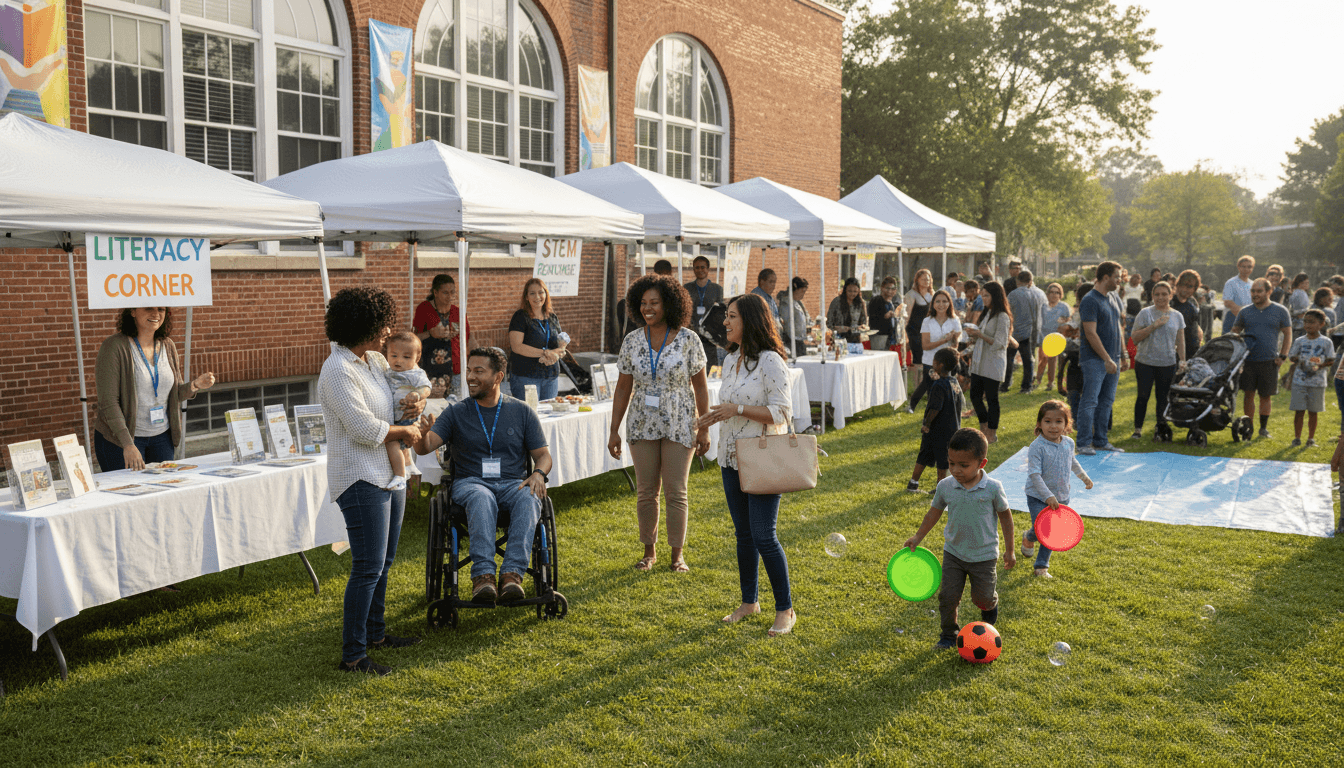
Service learning is one of the most powerful connections between school curriculum and the broader community, but it often goes undercommunicated. Families know their child went to a food pantry for a class project. They may not know that the food pantry has served 40 families each Saturday for the past three months because of that student-organized program. A service learning newsletter makes the full arc of the work visible, to families, to partners, and to students themselves.
Connect the service to the learning
Service learning newsletters should always explain the academic connection, not just the service activity. Students who are surveying residents about neighborhood concerns are practicing research design and data analysis. Students who are writing grants for a community garden project are learning persuasive writing and civic advocacy. Explaining this connection does two things: it helps families see the educational value of the work, and it helps community partners understand that they are not just receiving free student labor but supporting genuine educational development.
Lead with student voice
The most compelling content in a service learning newsletter is a student perspective. A brief reflection from a student who explains what they expected from the community project, what surprised them, and what they learned connects the reader to the educational experience in a way that a teacher or administrator summary cannot. Collect brief written or recorded student reflections after each major service learning project and use them as the lead content in the newsletter that follows.
Acknowledge community partners publicly
Community organizations that host student service learning projects are providing a real resource. Their staff train students, supervise their work, and integrate them into operations. A newsletter that names these organizations, describes their mission, and thanks them specifically builds the relationship and makes other community organizations aware that service learning partnerships with the school are worth pursuing.
Use outcomes to advocate for the program
Service learning programs often face budget and schedule pressure within schools. A newsletter that documents measurable outcomes: community impact, student academic skill development, family engagement, and community partner feedback gives program advocates the data they need when the program faces cuts. Communicate outcomes through the newsletter systematically, not just when the program is under review.
Invite family participation in service learning projects
Some service learning projects can include family volunteers alongside students. A community beautification project, a food bank drive, or a neighborhood survey are all projects that families can join if given a specific role and a clear time commitment. A newsletter that extends that invitation, with logistics and a contact person, builds family engagement alongside community impact.
Get one newsletter idea every week.
Free. For teachers. No spam.
Frequently asked questions
What is community service learning and how is it different from community service?
Service learning integrates community service with academic curriculum so that the service activity reinforces and deepens classroom learning. Students who survey neighborhood safety as part of a statistics unit are doing service learning, not just volunteering. A newsletter that explains this distinction helps families understand the educational value of the community work their child is doing.
Who should receive a service learning newsletter?
School families who need to know what their child is participating in, community partner organizations whose sites host students, potential new community partners who might host future service learning projects, and local media and civic leaders who benefit from knowing what students are contributing to the community.
What should a service learning newsletter include?
Current or recently completed projects with their community partner connections, the academic learning objectives the service activity supported, student reflection on the experience, outcomes for the community partners and the community, and upcoming service learning opportunities for families to support.
How do you document and communicate service learning outcomes for community partners?
Be specific about what students did and what it accomplished. Thirty students logged 480 volunteer hours at the community garden, planted 200 seedlings, and helped distribute produce to 45 families. That level of specificity is what community partners need for their own reporting and what makes the student contribution visible and valuable.
How does Daystage support service learning communication?
Daystage lets schools send service learning newsletters to multiple audiences simultaneously: families receive a family-focused version that emphasizes their child's experience, and community partners receive a version that acknowledges their contribution and documents the student impact. Both go out from the same platform.

Adi Ackerman
Author
Adi Ackerman is a former classroom teacher and curriculum writer with 8 years in K-8 schools. She writes about school communication, parent engagement, and what actually works in real classrooms.
More for Community Outreach
School-Community Partnership Newsletter: Building and Sustaining External Relationships Through Communication
Community Outreach · 6 min read
Summer Community Program Newsletter: Keeping Families and Partners Connected Over the Summer
Community Outreach · 5 min read
Community Resource Directory Newsletter: Connecting School Families to Local Services
Community Outreach · 5 min read
Ready to send your first newsletter?
3 newsletters free. No credit card. First one ready in under 5 minutes.
Get started free