
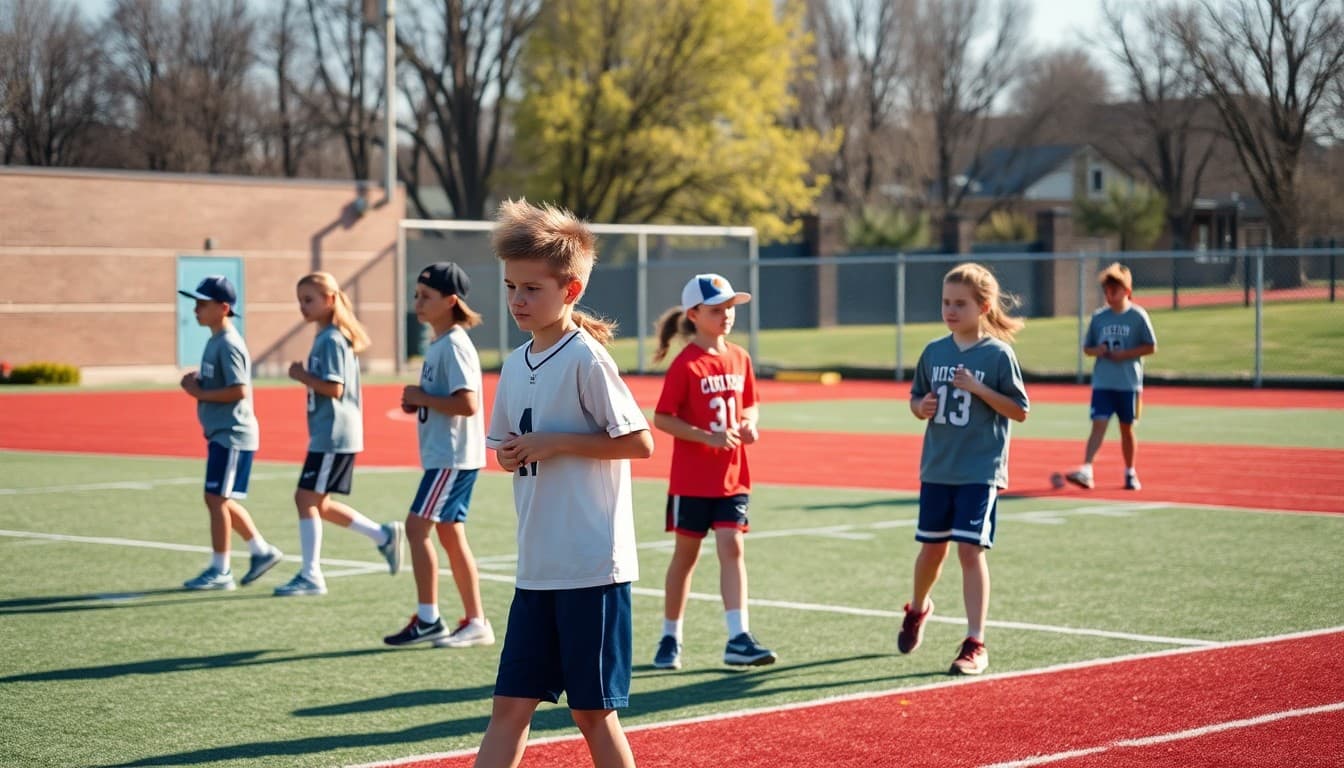
School Newsletter: Spring Sports Season Is Here
Spring sports season is one of the most community-visible moments in the school calendar. When families show up at games and meets, when the school communicates clearly about schedules and spectator information, and when athletic achievement is celebrated in the newsletter alongside academic achievement, the whole school community feels more connected and proud.
What Sports Are Starting This Season
List every spring sport with tryout or signup dates, coach names, grade levels eligible, practice start date, and how to register. Families who want their children to participate need complete information in one place. Note any academic eligibility requirements, required physical forms, and equipment or uniform costs. Missing any of these details creates follow-up questions that could have been answered in the newsletter.
Tryout Information and Preparation
For sports with tryout processes, describe what the tryout involves, what skills will be evaluated, and what students should bring or wear. Note whether cut sports have JV and varsity options that allow more students to participate. For non-cut sports that accept all participants, say that too -- many families assume all sports involve cuts and do not encourage their child to try out as a result.
Academic Eligibility Requirements
Briefly state the school's academic eligibility policy for athletics: minimum GPA, no failing grades, current physical on file, signed code of conduct. Families who understand the requirements can support their child in meeting them before tryouts rather than being caught off guard. For students who are on academic probation or close to the eligibility threshold, early communication with coaches and teachers can prevent an avoidable exclusion from the season.
Spectator Schedules and How to Get Involved
Give families a home game and meet schedule for each sport. Note where events take place, whether there is a cost for spectators, and any parking or logistics families should know. Families who know the schedule in advance are far more likely to attend. Also note volunteer opportunities for parents: timekeeping, concessions, scoreboard operation. Sports events with engaged family spectators have a noticeably different energy than those attended only by the team.
Recognizing Last Season's Achievements
Before previewing the new season, briefly honor last spring season's accomplishments. Teams that reached the playoffs. Athletes who set school records or earned individual recognition. Coaches who completed a milestone year. This backward glance before the forward look creates continuity and pride in the program's history.
Athletic and Academic Integration
A brief note about the school's philosophy on balancing athletics and academics -- study hall requirements, tutoring access, communication between coaches and teachers -- positions the athletic program as part of the whole educational environment, not separate from it. Families who see athletics and academics integrated feel more confident encouraging their children to participate.
Connecting Sports to the Whole Community
Spring sports are one of the most accessible entry points for community members who do not have children in the school. Invite alumni, neighborhood residents, and community partners to attend home games. A school with well-attended athletic events feels alive and connected in ways that benefit every student, not just the athletes. The newsletter is where that invitation is extended.
Get one newsletter idea every week.
Free. For teachers. No spam.
Frequently asked questions
What should a Spring Sports Season Is Here newsletter cover?
The most effective newsletters for this observance cover three things: what the school is doing to recognize or celebrate the month or week, how families can participate or reinforce the themes at home, and who at school to contact for more information or to get involved. Lead with the specific activities happening at school, not with a generic description of the observance. Families respond to what is real and local, not to national awareness month statistics.
When should the school send this newsletter?
The week before or the first week of the observance month or week. Families need enough lead time to participate in any events, volunteer for relevant activities, or have informed conversations with their children about the topics being raised at school. A newsletter that arrives after the week has already started is useful for context but misses the participation window.
How do you keep this kind of observance newsletter from feeling generic?
Connect every awareness month or week to something specific happening in your school building. A student who shared their experience. A classroom project in progress. A community organization the school is partnering with. A specific action families can take this week. Generic awareness newsletters list facts about the month. Specific newsletters tell families what their community is actually doing about it.
Should the newsletter include community resources?
Yes, briefly. Include one or two community organizations or helplines relevant to the observance if appropriate. For mental health awareness months, crisis lines. For financial literacy month, free local resources. For heritage months, community cultural organizations. This section takes one minute to add and significantly increases the newsletter's value as a community resource beyond school walls.
How does Daystage help schools send observance newsletters?
Daystage lets school staff create a clean, formatted newsletter for any observance month or week and send it to all families in a few minutes. You can include event details, resource links, and family action steps in a mobile-friendly format that arrives directly in every family's inbox. Templates can be reused and adapted each year.

Adi Ackerman
Author
Adi Ackerman is a former classroom teacher and curriculum writer with 8 years in K-8 schools. She writes about school communication, parent engagement, and what actually works in real classrooms.
More for Community Outreach
Ready to send your first newsletter?
3 newsletters free. No credit card. First one ready in under 5 minutes.
Get started free