

School Newsletter: Disability Awareness Month and Inclusive Learning
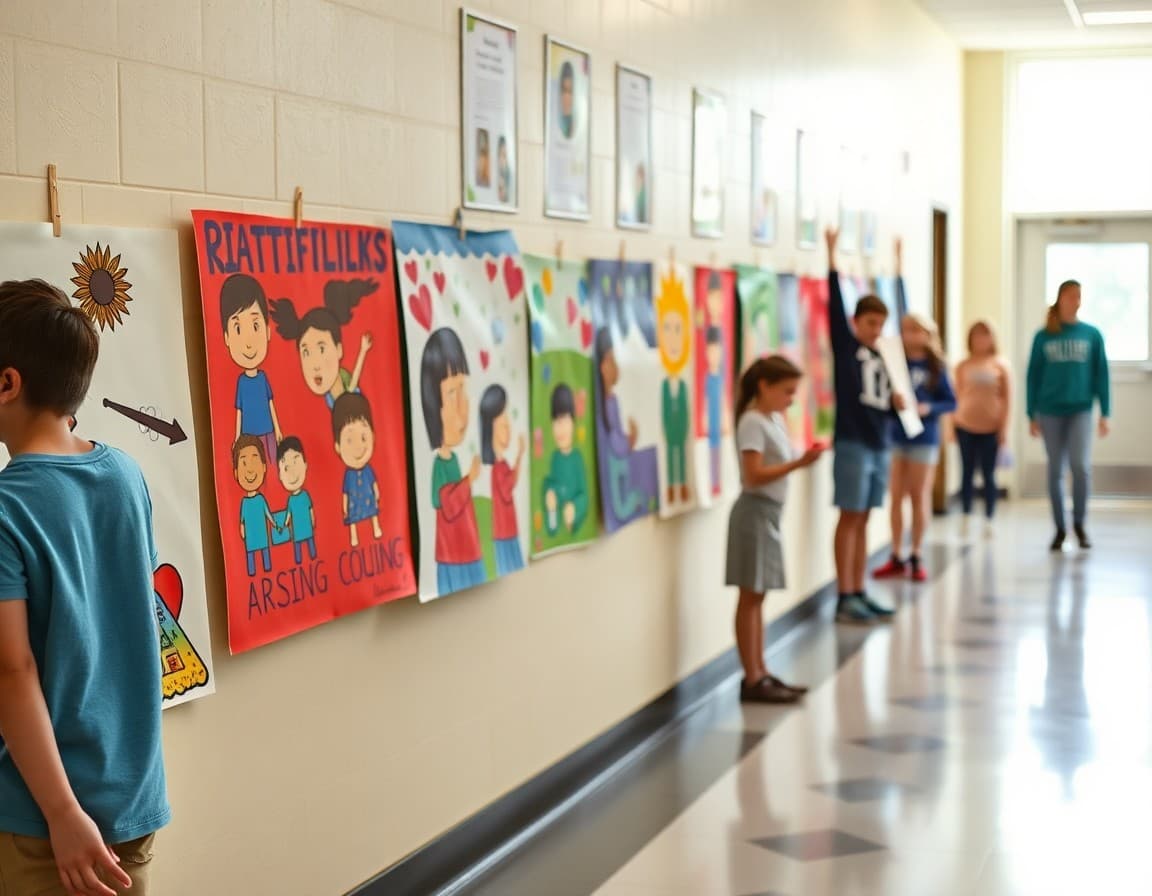
October is National Disability Employment Awareness Month, and October also sees many schools observe Disability Awareness activities more broadly. Whether your school focuses on employment, education, or inclusion generally, a newsletter that treats disability as a natural part of human diversity -- rather than a problem category -- sets the right foundation for everything that follows.
Disability as Part of Human Diversity
Approximately one in four Americans has some form of disability. In most school buildings, that means a significant portion of the student population has a disability of some kind -- visible or invisible, physical, cognitive, or sensory. A newsletter that opens by establishing disability as a normal dimension of human diversity, not an exceptional category, sets the right frame for the month's content.
What Inclusive Classrooms Look Like
Describe what inclusion looks like at your school in concrete terms. Not the legal framework -- the actual practices. Co-taught classrooms where a special education teacher and a general education teacher plan and instruct together. Universal design for learning principles that make content accessible without singling out specific students. Flexible seating and sensory accommodations that benefit all learners. Specific descriptions of inclusive practice build family confidence and understanding.
Celebrating Students With Disabilities
Feature the achievements of students with disabilities -- with appropriate permission -- in the newsletter. A student with dyslexia who won the school poetry contest. A student with a physical disability who led the student government. A student with autism who designed the school's year in review poster. These stories, told with student permission and dignity, demonstrate what students with disabilities accomplish when they are fully included and supported.
The ADA and What It Means for Your School
A brief, accessible explanation of the Americans with Disabilities Act and what it requires of public schools -- equal access, reasonable accommodations, procedural safeguards -- gives families of students with disabilities information about their rights and gives families of non-disabled students context for why certain accommodations exist. Rights education is equity education.
Disability Awareness in the Curriculum
Describe the specific disability awareness curriculum or activities happening in classrooms this month. A lesson using simulations to experience one dimension of sensory processing. A read-aloud featuring a protagonist with a disability in a complex, non-pitying narrative role. A guest speaker who is a working adult with a disability. These activities, described in the newsletter, give families a way to continue the conversation at home.
How Families Can Support Inclusive Values at Home
Give families two or three specific ways to reinforce disability awareness and inclusion at home. Read a book together that features a character with a disability in a positive, complex role. Have a conversation about what fairness looks like when people have different needs. If your child mentions a classmate who receives accommodations, use it as an opportunity to talk about how everyone needs different things to succeed. Small, specific home actions build inclusive values that carry into the school community.
Resources for Families of Students With Disabilities
Include a brief list of resources for families navigating the special education system: the school's special education coordinator contact, the parent rights guide for the state, disability-specific support organizations, and advocacy resources. Families who know their rights and have access to support navigate the IEP and 504 process more effectively and are better advocates for their children's needs.
Get one newsletter idea every week.
Free. For teachers. No spam.
Frequently asked questions
What should this newsletter cover?
Lead with what your school is specifically doing this month or week. Connect it to family action at home, community resources, and a direct contact for more information. Specificity is what makes a newsletter useful rather than forgettable.
When should the school send it?
The week before or the first week of the observance. Families need lead time to participate in events or prepare for activities. A newsletter that arrives after the observance started is contextual but misses the participation window.
How do you keep this newsletter from feeling generic?
Connect the theme to something specific happening in your school building this week. A classroom activity in progress. A community partner the school is working with. A specific student or staff member doing something worth recognizing. Specificity drives readership and sharing.
Should it include community resources?
Yes, briefly. One or two relevant organizations, helplines, or local resources. Families who find a useful resource in a school newsletter trust the school as a community hub, not just an educational institution.
How does Daystage support this newsletter?
Daystage lets school staff create and send a formatted newsletter directly to every family's inbox. You write the content, Daystage handles formatting and delivery. Templates can be reused and adapted each year for recurring observances.

Adi Ackerman
Author
Adi Ackerman is a former classroom teacher and curriculum writer with 8 years in K-8 schools. She writes about school communication, parent engagement, and what actually works in real classrooms.
More for Community Outreach
Ready to send your first newsletter?
3 newsletters free. No credit card. First one ready in under 5 minutes.
Get started free