

School Newsletter: Autism Acceptance Month and Inclusive Classrooms
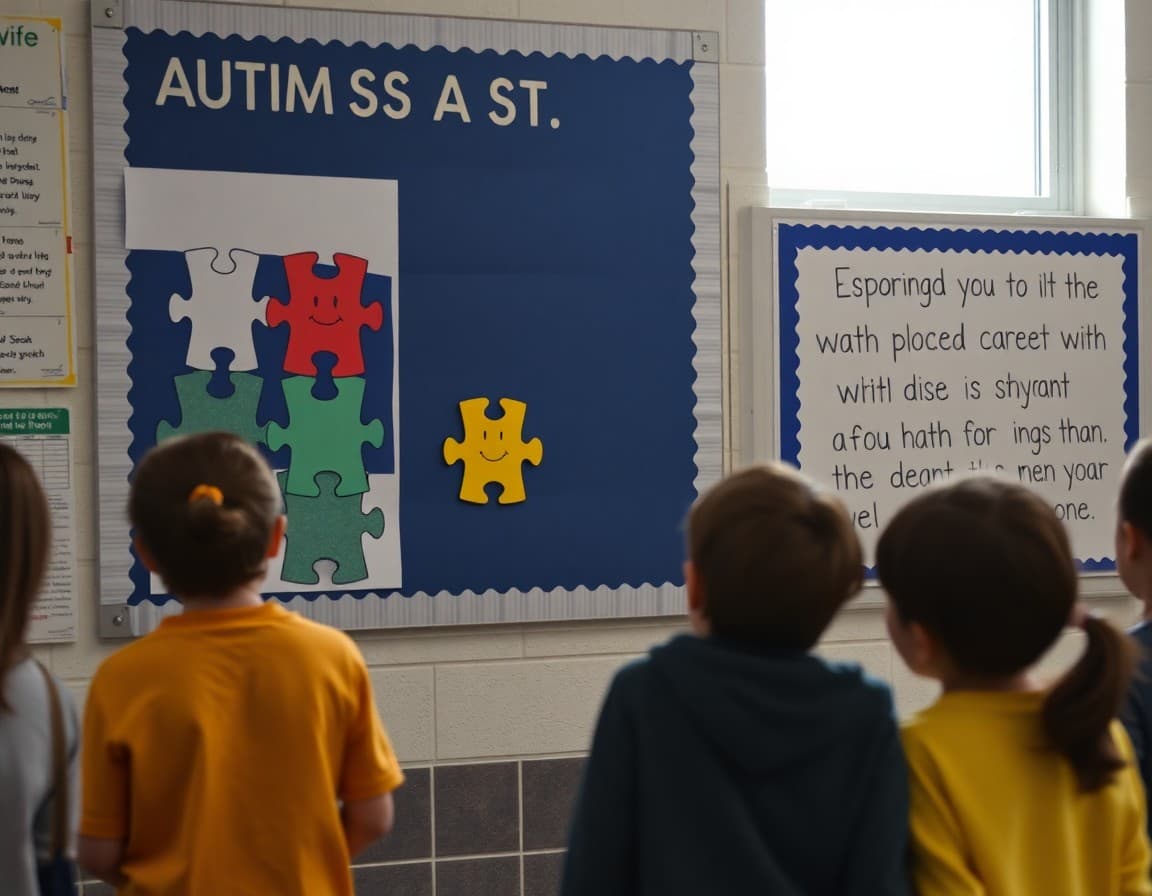
April is Autism Acceptance Month, and the shift from 'awareness' to 'acceptance' is meaningful: awareness is passive, acceptance is active. A school newsletter that helps families understand autism not as a problem to be fixed but as a form of human neurodiversity worth celebrating and accommodating takes the right approach for a community committed to genuine inclusion.
Awareness to Acceptance: The Language Shift
Briefly explain why many autism advocates and autistic individuals prefer the language of acceptance to awareness. Awareness implies that autism is a tragedy to be aware of. Acceptance implies that autistic people deserve inclusion, accommodation, and respect as they are. This language shift reflects a meaningful philosophical change in how schools and communities approach disability -- from pity-based charity to genuine inclusion.
What Neurodiversity Means in Our School
Describe briefly what neurodiversity means in practice: that human brains develop and function differently, and that those differences include autism, ADHD, dyslexia, and other cognitive profiles that are not deficits but variations. In an inclusive classroom, every student's profile is taken into account in instruction and environment. This framing helps families of neurotypical students understand why certain accommodations exist and why they benefit the whole classroom, not just the students receiving them.
What Students Are Learning This Month
Describe the specific autism acceptance curriculum or activities happening in classrooms during April. A lesson on different communication styles and why all of them are valid. A read-aloud featuring an autistic protagonist. A sensory awareness activity that helps neurotypical students experience one aspect of sensory processing differences. A student-led presentation by a classmate who has written about their own autism experience with family permission. Specific content gives families a way to continue the conversation at home.
Autistic Voices in the Curriculum
One of the most important shifts in autism education is centering autistic voices rather than speaking for autistic people. If your school is using resources created or endorsed by autistic people -- books written by autistic authors, videos by autistic speakers, organizations led by autistic individuals -- name them. Families who see this approach understand that your school's autism acceptance effort is grounded in genuine respect.
How Inclusive Practices Benefit Every Student
Research consistently shows that inclusive classroom practices improve outcomes for all students, not just those with IEPs or 504 plans. Flexible seating that accommodates sensory needs also benefits students who focus better without distraction. Visual schedules that help autistic students navigate the day also help any student with anxiety about transitions. Universal design for learning principles benefit every learner in the room. Helping families understand this removes the perception that accommodations come at a cost to neurotypical students.
How Families Can Support Acceptance at Home
Give families two specific things they can do at home to support autism acceptance. Read one book together that features an autistic protagonist in a positive, complex role. Have a brief conversation about what makes all people different and why those differences make communities richer. If your child mentions a classmate who communicates or behaves differently, use it as a moment to practice perspective-taking rather than judgment. Small, specific home actions matter.
Connecting to the School's Broader Inclusion Commitment
Close by connecting autism acceptance month to the school's year-round inclusion work: IEP teams, 504 plans, counseling services, and the everyday classroom practices that make the school a place where every student can learn. April is a spotlight, not a standalone effort. Families who see autism acceptance as part of an ongoing commitment rather than an annual event understand the depth of the school's inclusion work.
Get one newsletter idea every week.
Free. For teachers. No spam.
Frequently asked questions
What should a Autism Acceptance Month and Inclusive Classrooms newsletter cover?
The most effective newsletters for this observance cover three things: what the school is doing to recognize or celebrate the month or week, how families can participate or reinforce the themes at home, and who at school to contact for more information or to get involved. Lead with the specific activities happening at school, not with a generic description of the observance. Families respond to what is real and local, not to national awareness month statistics.
When should the school send this newsletter?
The week before or the first week of the observance month or week. Families need enough lead time to participate in any events, volunteer for relevant activities, or have informed conversations with their children about the topics being raised at school. A newsletter that arrives after the week has already started is useful for context but misses the participation window.
How do you keep this kind of observance newsletter from feeling generic?
Connect every awareness month or week to something specific happening in your school building. A student who shared their experience. A classroom project in progress. A community organization the school is partnering with. A specific action families can take this week. Generic awareness newsletters list facts about the month. Specific newsletters tell families what their community is actually doing about it.
Should the newsletter include community resources?
Yes, briefly. Include one or two community organizations or helplines relevant to the observance if appropriate. For mental health awareness months, crisis lines. For financial literacy month, free local resources. For heritage months, community cultural organizations. This section takes one minute to add and significantly increases the newsletter's value as a community resource beyond school walls.
How does Daystage help schools send observance newsletters?
Daystage lets school staff create a clean, formatted newsletter for any observance month or week and send it to all families in a few minutes. You can include event details, resource links, and family action steps in a mobile-friendly format that arrives directly in every family's inbox. Templates can be reused and adapted each year.

Adi Ackerman
Author
Adi Ackerman is a former classroom teacher and curriculum writer with 8 years in K-8 schools. She writes about school communication, parent engagement, and what actually works in real classrooms.
More for Community Outreach
Ready to send your first newsletter?
3 newsletters free. No credit card. First one ready in under 5 minutes.
Get started free