

School Newsletter: Dental Health Month Activities and Resources
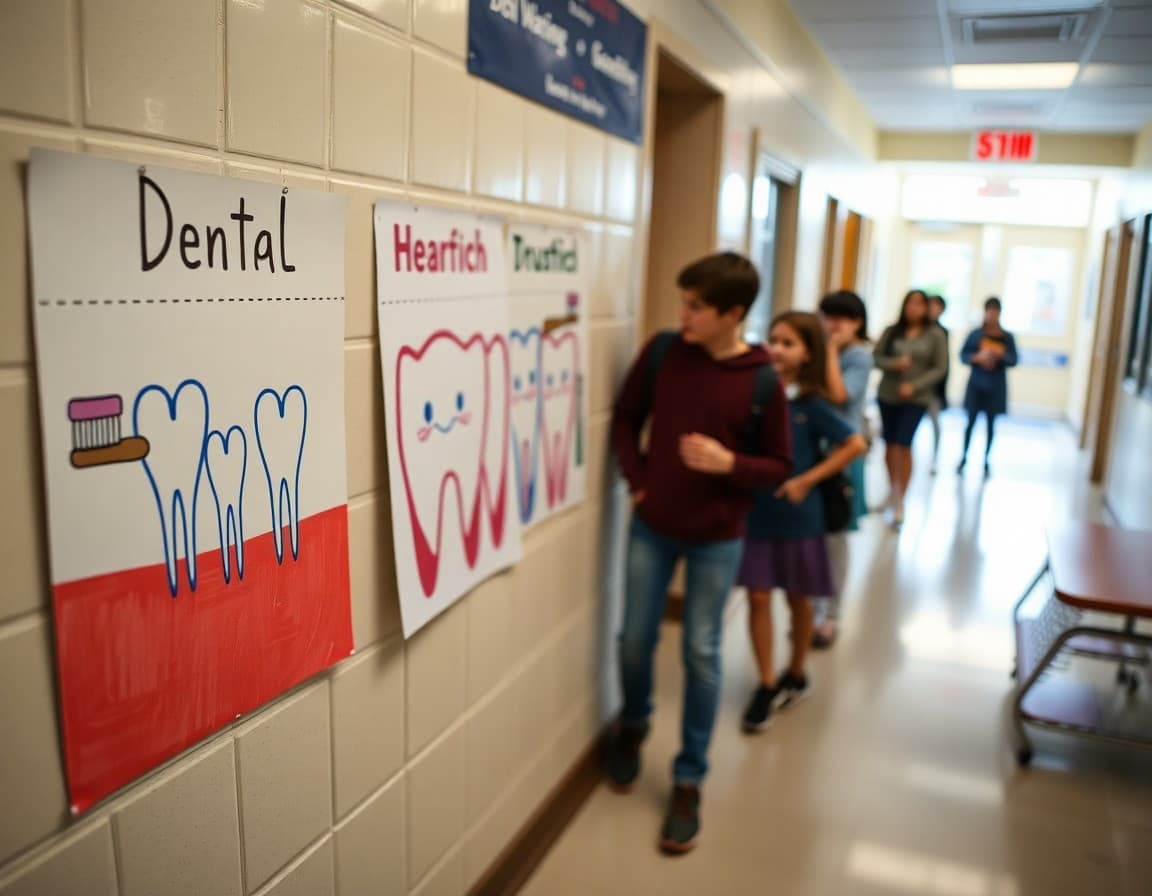
Dental health month is one of those awareness observances that schools often treat as a checkbox. But the reality is that dental disease is the most common chronic childhood illness, affecting more children than asthma or diabetes. A newsletter that treats this month seriously -- with real resources, screening information, and community connections -- can make a measurable difference for families who lack access to dental care.
What Students Are Learning in February
Describe the dental health content being covered at each grade level. Not just 'we are learning about teeth' -- the actual skills and knowledge being built. Proper brushing technique with two-minute timing. Understanding the sugar content of common foods and drinks. The connection between baby teeth health and permanent teeth health. The role of fluoride and regular cleanings in preventing decay. Parents who know what their children are learning can reinforce the habits at home.
Free and Low-Cost Dental Resources
This section is the most valuable in any dental health newsletter. Include local resources for families who lack dental insurance or access: community health center dental clinics, dental school teaching clinics that offer low-cost care, state Medicaid dental coverage information, and any free dental screening programs available in the area. A family that learns about a free dental clinic through the school newsletter may get care they would otherwise have gone without.
School Dental Screening Information
If the school conducts dental screenings -- many do through district or state health programs -- give families the date, what the screening covers, consent requirements, and what happens with the results. Families who understand the screening process are more likely to consent and to follow up on any referrals. Note clearly that the screening is not a replacement for regular dental care, but a preventive step the school offers to all students.
The Nutrition-Dental Health Connection
One paragraph connecting what students eat and drink to their dental health is accessible and actionable for every family. Limit sugary drinks including juice and sports drinks. If students do drink something sugary, brushing or rinsing with water afterward reduces acid exposure. Crunchy vegetables like carrots and celery can help clean teeth between brushings. This practical connection makes dental health less abstract and more connected to the family's everyday choices.
A Note on Dental Anxiety
Many children and adults experience dental anxiety that prevents them from seeking care. Acknowledge this briefly and point families toward resources on helping children have positive dental experiences. Pediatric dentists who specialize in anxious patients. Community health centers with child-friendly practices. Tips for preparing children for dental appointments without increasing fear. Dental anxiety is a real barrier to care that a brief newsletter section can help address.
Guest Speaker or School Presentation
If the school is hosting a dental hygienist, dentist, or community health worker for a student presentation during dental health month, announce it with the date and grade levels attending. If a brief parent information session is available -- even virtually -- include the registration link. Parents who receive reliable dental health information alongside their children's school education can reinforce and normalize what the children are hearing in school.
Making Dental Health Normal, Not Shameful
Schools that communicate about dental health only when a problem is identified -- a student sent home for a dental concern -- create a stigma around the issue. A proactive dental health month newsletter that treats oral health as a normal, positive part of community wellness reduces that stigma. Families who feel their dental health challenges are common, not shameful, are more likely to seek the help they need and to talk honestly with school health staff.
Get one newsletter idea every week.
Free. For teachers. No spam.
Frequently asked questions
What should a Dental Health Month Activities and Resources newsletter cover?
The most effective newsletters for this observance cover three things: what the school is doing to recognize or celebrate the month or week, how families can participate or reinforce the themes at home, and who at school to contact for more information or to get involved. Lead with the specific activities happening at school, not with a generic description of the observance. Families respond to what is real and local, not to national awareness month statistics.
When should the school send this newsletter?
The week before or the first week of the observance month or week. Families need enough lead time to participate in any events, volunteer for relevant activities, or have informed conversations with their children about the topics being raised at school. A newsletter that arrives after the week has already started is useful for context but misses the participation window.
How do you keep this kind of observance newsletter from feeling generic?
Connect every awareness month or week to something specific happening in your school building. A student who shared their experience. A classroom project in progress. A community organization the school is partnering with. A specific action families can take this week. Generic awareness newsletters list facts about the month. Specific newsletters tell families what their community is actually doing about it.
Should the newsletter include community resources?
Yes, briefly. Include one or two community organizations or helplines relevant to the observance if appropriate. For mental health awareness months, crisis lines. For financial literacy month, free local resources. For heritage months, community cultural organizations. This section takes one minute to add and significantly increases the newsletter's value as a community resource beyond school walls.
How does Daystage help schools send observance newsletters?
Daystage lets school staff create a clean, formatted newsletter for any observance month or week and send it to all families in a few minutes. You can include event details, resource links, and family action steps in a mobile-friendly format that arrives directly in every family's inbox. Templates can be reused and adapted each year.

Adi Ackerman
Author
Adi Ackerman is a former classroom teacher and curriculum writer with 8 years in K-8 schools. She writes about school communication, parent engagement, and what actually works in real classrooms.
More for Community Outreach
Ready to send your first newsletter?
3 newsletters free. No credit card. First one ready in under 5 minutes.
Get started free