

School Newsletter: National Nutrition Month and Healthy Eating at School
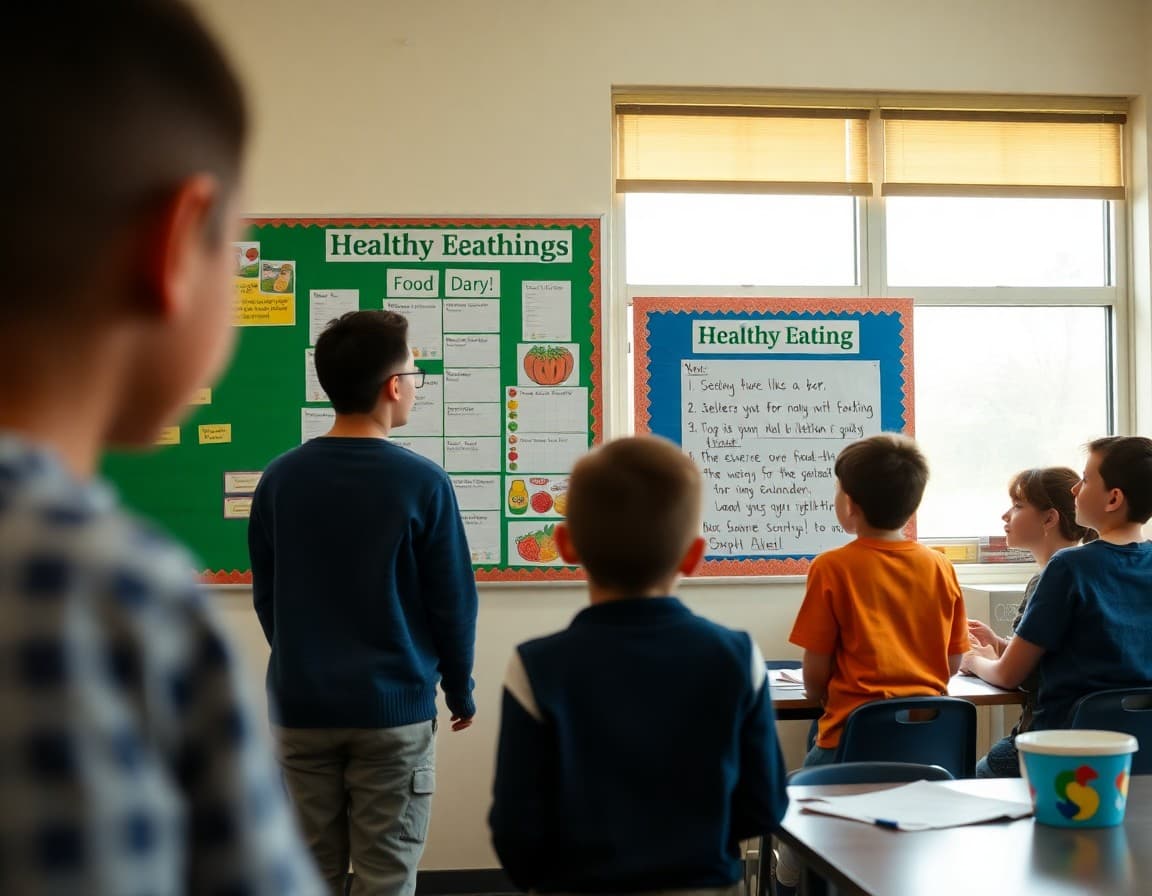
National Nutrition Month in March gives schools an annual opportunity to connect classroom health education to the cafeteria and to families' homes. A nutrition month newsletter that shares what students are learning, celebrates improvements in the school food program, and gives families practical, non-judgmental information about healthy eating serves the whole community.
What Students Are Learning About Nutrition
Describe the nutrition education happening at each grade level this month. Elementary students learning about the food groups and hydration. Middle schoolers studying the relationship between nutrition and academic performance and athletic recovery. High schoolers exploring food systems, food deserts, and the economics of healthy eating. Specific content gives families conversation starters that connect school learning to the family's daily food decisions.
Cafeteria Highlights for March
Note any special menu items, nutrition education activities in the cafeteria, or improvements to the school food program happening during nutrition month. If the school has made changes to offer more fresh produce, reduce processed food, or add culturally relevant meal options, share that. Families who feel the school cafeteria is improving and taking nutrition seriously trust the food program more.
Practical Nutrition Tips Without Shaming
Include two or three practical nutrition tips in plain language, without shaming language about specific foods, bodies, or eating patterns. Focus on addition rather than restriction: add one serving of vegetables to dinner, add water as the default drink, add a protein to breakfast. Avoid any language that could be triggering for families dealing with eating disorders or disordered eating in their children.
The School Garden Connection
If the school has a garden program, note its connection to nutrition month. What students are growing. When the harvest will be. How garden produce is connected to cafeteria meals. A school garden that is mentioned in the newsletter throughout the year becomes a community asset that families take pride in, rather than a program they are unaware exists.
Free and Low-Cost Healthy Eating Resources
Include one or two resources for families who want to eat healthier on a budget. Local food bank options that include fresh produce. Community-supported agriculture programs with income-based pricing. Cooking classes at the community center. SNAP benefits information if relevant to your community. Non-judgmental, practical resource information in the nutrition newsletter serves families who face real economic barriers to the healthy eating the school is promoting.
Student Nutrition Champions
If students have been involved in nutrition activities -- cooking classes, garden work, nutrition education peer leadership -- celebrate their participation in the newsletter. A student who grew their first tomato in the school garden. A class that completed a week-long food journal challenge. Student voices and stories in the nutrition newsletter make healthy eating feel like something real students are doing, not an abstract health class concept.
The Long View on Nutrition Education
Close with a note about why nutrition education matters beyond the school year. Food habits formed in childhood are the most persistent. Students who learn to read food labels, understand portion sizes, and recognize the connection between what they eat and how they feel leave school with a skill that benefits them for decades. A newsletter that frames nutrition education as a long-term investment -- not just a March observance -- helps families see the school's health curriculum as genuinely important.
Get one newsletter idea every week.
Free. For teachers. No spam.
Frequently asked questions
What should a National Nutrition Month and Healthy Eating at School newsletter cover?
The most effective newsletters for this observance cover three things: what the school is doing to recognize or celebrate the month or week, how families can participate or reinforce the themes at home, and who at school to contact for more information or to get involved. Lead with the specific activities happening at school, not with a generic description of the observance. Families respond to what is real and local, not to national awareness month statistics.
When should the school send this newsletter?
The week before or the first week of the observance month or week. Families need enough lead time to participate in any events, volunteer for relevant activities, or have informed conversations with their children about the topics being raised at school. A newsletter that arrives after the week has already started is useful for context but misses the participation window.
How do you keep this kind of observance newsletter from feeling generic?
Connect every awareness month or week to something specific happening in your school building. A student who shared their experience. A classroom project in progress. A community organization the school is partnering with. A specific action families can take this week. Generic awareness newsletters list facts about the month. Specific newsletters tell families what their community is actually doing about it.
Should the newsletter include community resources?
Yes, briefly. Include one or two community organizations or helplines relevant to the observance if appropriate. For mental health awareness months, crisis lines. For financial literacy month, free local resources. For heritage months, community cultural organizations. This section takes one minute to add and significantly increases the newsletter's value as a community resource beyond school walls.
How does Daystage help schools send observance newsletters?
Daystage lets school staff create a clean, formatted newsletter for any observance month or week and send it to all families in a few minutes. You can include event details, resource links, and family action steps in a mobile-friendly format that arrives directly in every family's inbox. Templates can be reused and adapted each year.

Adi Ackerman
Author
Adi Ackerman is a former classroom teacher and curriculum writer with 8 years in K-8 schools. She writes about school communication, parent engagement, and what actually works in real classrooms.
More for Community Outreach
School Newsletter: Dental Health Month Activities and Resources
Community Outreach · 6 min read
Back to School Cafeteria and Lunch Newsletter: Helping Families Navigate School Meal Programs
Back to School · 5 min read
School Community Health Fair Newsletter: How to Plan, Promote, and Follow Up
Community Outreach · 5 min read
Ready to send your first newsletter?
3 newsletters free. No credit card. First one ready in under 5 minutes.
Get started free