
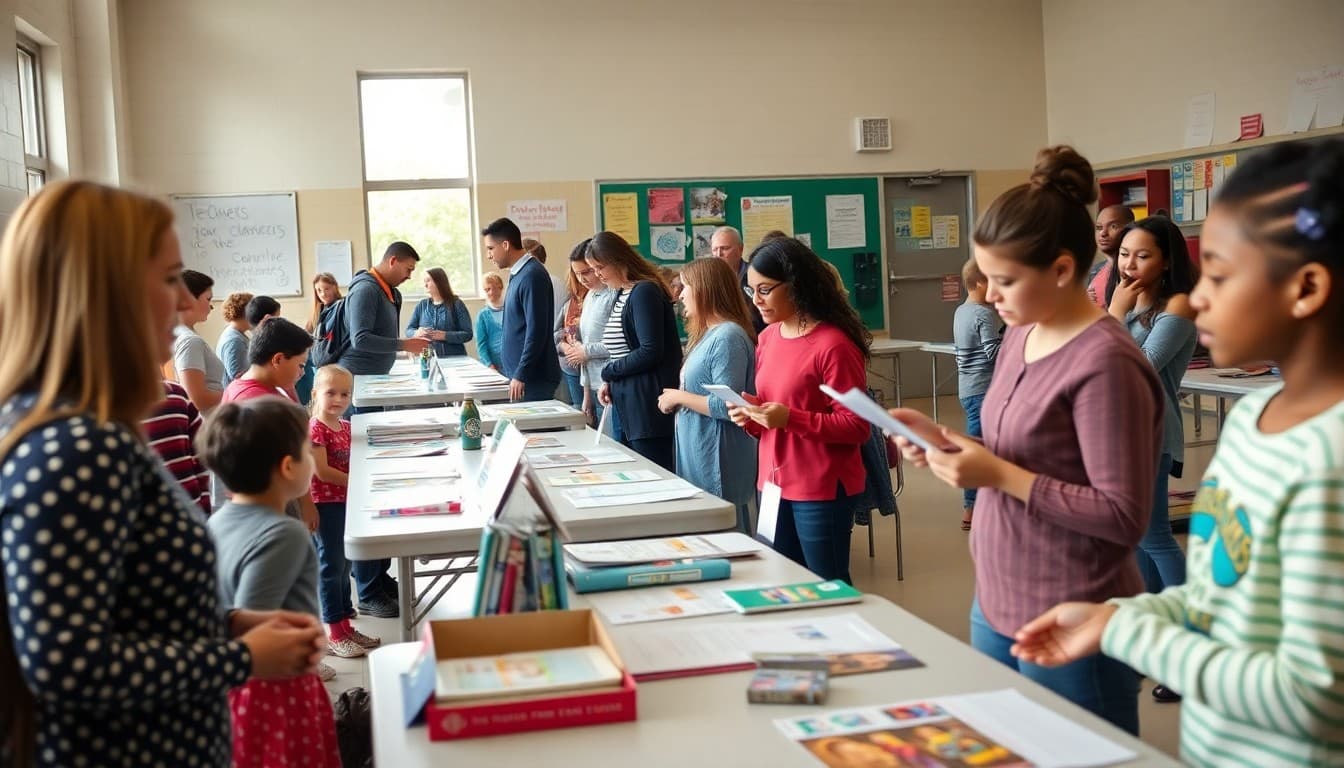
Community Resource Fair School Newsletter: Free Help Available
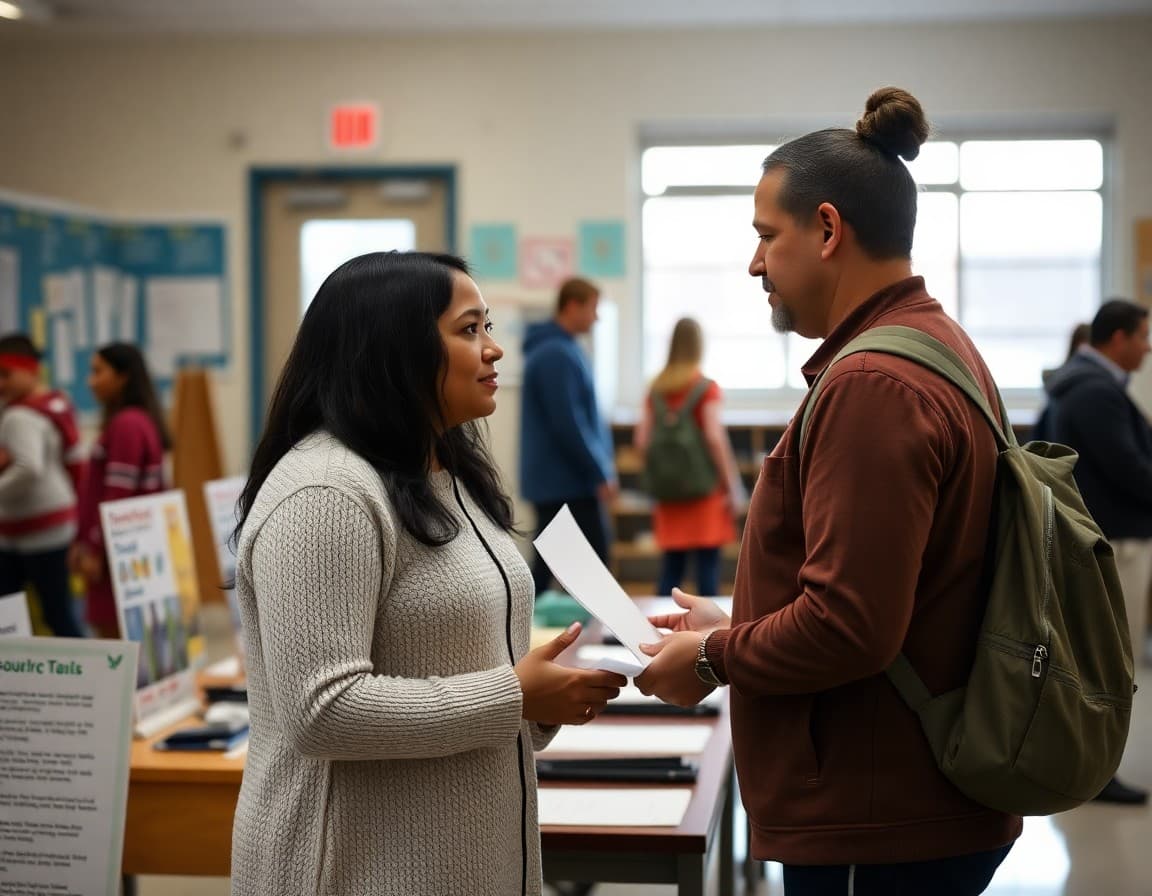
A community resource fair brings help directly to families inside a building they already trust. When the newsletter announcing that fair is specific, easy to read, and removes every barrier to attendance, families show up. When it is vague or buried in school calendar language, the tables sit empty. Writing the right newsletter is what makes the event worth organizing in the first place.
Name every agency and what it actually does
"Community resources will be available" is not a headline that moves families. "Free dental screenings, food pantry enrollment, housing assistance, and Medicaid sign-up in the gym on October 3rd" is. Families make a decision to attend based on whether the services listed match a need they have right now. The newsletter should list every participating organization by name and describe the specific service it will offer, not just its general mission.
Address documentation and privacy concerns directly
Many families who need services most are afraid to access them because of concerns about documentation requirements or whether their information will be shared. A resource fair newsletter for a diverse school community should state explicitly which services are available regardless of immigration status and that participation is confidential. One sentence in the newsletter can be the difference between a family attending and a family staying home.
Tell families what to bring
Some services, like insurance enrollment or housing assistance, work better when families bring specific documents. Including a short list in the newsletter, for example, bring a photo ID, proof of address, and your child's Social Security number for insurance enrollment, helps families come prepared and actually complete the connection to the service. Without that information, families often arrive unprepared and leave without what they needed.
Use a template that travels well
Resource fair newsletters need to reach families wherever they check information. A strong template for this type of event looks like this:
Subject: Free services available at [School Name] on [Date]
Opening line: On [Day], [School Name] is hosting a free community resource fair in the [Location] from [Start Time] to [End Time]. No appointment needed.
Agency list: [Agency Name] -- [specific service offered]. [Agency Name] -- [specific service offered].
What to bring: [short list if relevant]
Who can come: All school families are welcome. [Immigration status note if applicable.]
Questions: Contact [Name] at [phone/email].
Send three times, not once
A single newsletter announcement reaches maybe 40 percent of families who would actually benefit from it. Families are busy, emails get missed, and the first notice comes at a moment when they are not thinking about resource access. Send the initial announcement two to three weeks before the event, a reminder one week out, and a final notice the morning before. Each message can be shorter than the last; the reminder just needs the date, time, and one specific service name.
Follow up after the fair
A short follow-up newsletter after the event serves two purposes. It tells families who could not attend how to connect with the agencies they missed, and it reinforces the school's role as a community connector. Include contact information for each agency and note which ones may return for a follow-up visit. Families who did not attend the fair may respond to the follow-up when they realize they missed something specific to their situation.
Make attendance easy for families who work during school hours
Daytime resource fairs miss a significant portion of working families. If the event runs during school hours, note whether any agencies will be available in the evening or whether a follow-up fair is planned. If your school schedules resource fairs during family-friendly hours, like after dismissal or on a Saturday morning, say that explicitly in the newsletter. Accessibility to the event is as important as the services being offered at it.
Track what draws families in
After the fair, ask families at the door or via a brief survey which service brought them in. That data tells you which services to prioritize for the next fair and which messaging in your newsletter actually drove the decision to attend. Schools that do this consistently build resource fairs that get better every year because they are responding to documented family need rather than guessing.
Get one newsletter idea every week.
Free. For teachers. No spam.
Frequently asked questions
What should a community resource fair newsletter include?
It should name every participating agency, describe the specific service each one offers, state the date, time, and location clearly, specify that services are free and confidential, and provide a point of contact for families who have questions before the event. A brief sentence on what families should bring, such as ID or insurance cards, helps them prepare and increases their chance of actually connecting with a service.
How far in advance should schools send a resource fair newsletter?
Send the first notice two to three weeks before the event. Follow up one week before and again the day before. Three touchpoints are usually enough to reach most families. If the school serves families who have inconsistent access to email, consider printing the newsletter and sending it home with students as well.
How do you get more families to attend a resource fair?
Name the specific services that address the most common needs in your school community. Vague descriptions like community resources do not drive attendance. Specific descriptions like free dental screenings, housing assistance applications, and food pantry sign-ups give families a reason to come. Also specify that the fair is free, no appointment needed, and open to all families regardless of documentation status if that applies.
What agencies should schools invite to a community resource fair?
The strongest resource fairs include agencies covering the most common unmet needs: food assistance, housing and utility support, medical and dental screenings, mental health counseling referrals, immigration legal services, employment support, early childhood programs, and insurance enrollment. Survey families at the start of the year to identify which services have the highest demand in your building.
How does Daystage help schools communicate resource fair events?
Daystage lets schools send resource fair newsletters in multiple languages with embedded event details, links to agency websites, and optional RSVP forms. Schools that serve families who speak Spanish, Somali, Arabic, or other home languages can send one newsletter in each language from the same platform, so no family misses the announcement because of a language barrier.

Adi Ackerman
Author
Adi Ackerman is a former classroom teacher and curriculum writer with 8 years in K-8 schools. She writes about school communication, parent engagement, and what actually works in real classrooms.
More for Community Outreach
Ready to send your first newsletter?
3 newsletters free. No credit card. First one ready in under 5 minutes.
Get started free