
School Newsletter: Honoring Our School Counselors in April
April's School Counseling Month is a second opportunity within the year to shine a light on one of the most important support roles in any school building. Unlike the February appreciation week, April's observance often comes during the most demanding part of the school year -- when students are facing high-stakes testing, college decisions, and end-of-year stress. That timing makes the counseling newsletter especially relevant.
The Counselor's Role at This Time of Year
April and May are among the most demanding months for school counselors: SAT/ACT support, AP exam preparation counseling, end-of-year transition anxiety, graduation planning, summer program navigation, and IEP transition planning. Give families a specific picture of what the counselor is doing during this period and how families whose children need support can get on the counselor's calendar.
End-of-Year Stressors to Watch For
Name the end-of-year stressors counselors are equipped to help with: test anxiety, college acceptance anxiety, social transition concerns as friend groups shift, academic pressure in the final quarter, and the anticipatory anxiety some students feel about moving to a new school level. Families who can name what their children are experiencing are better equipped to ask for the right help.
Recognition From the Community
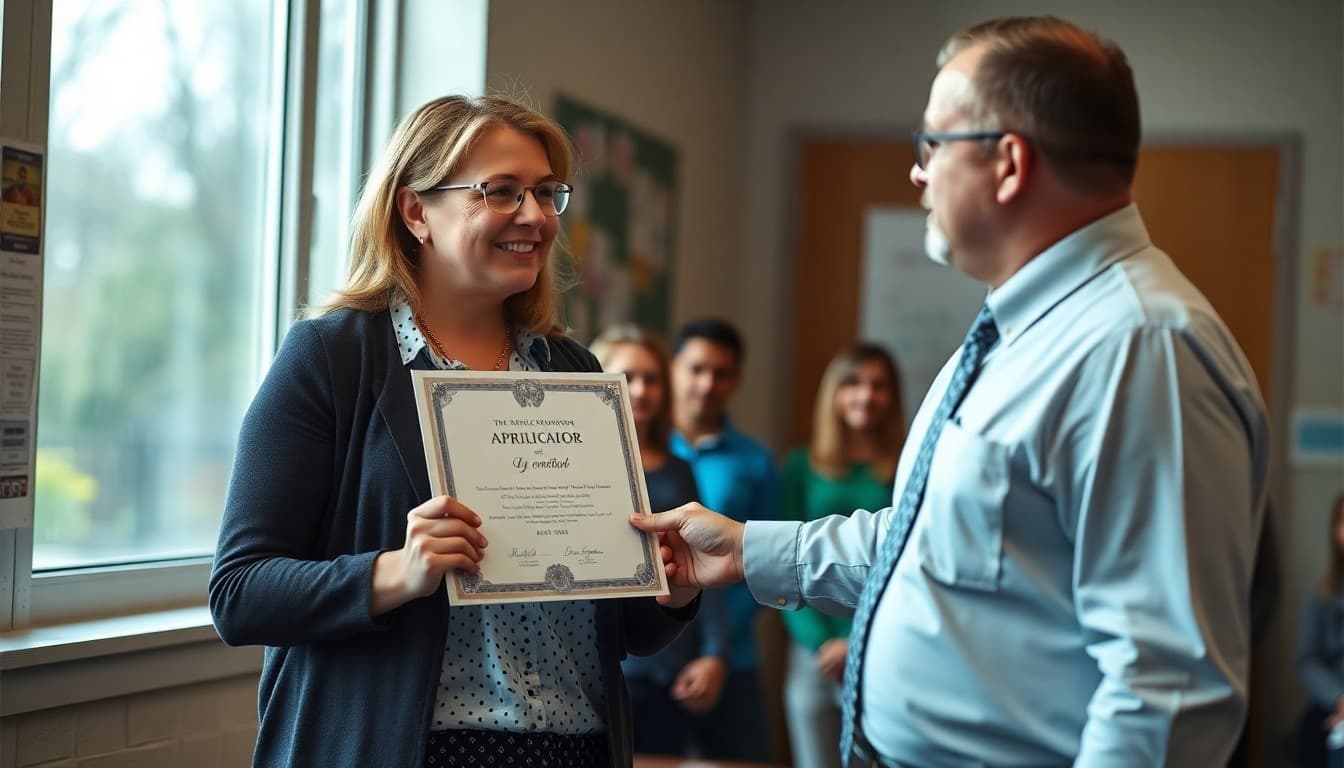
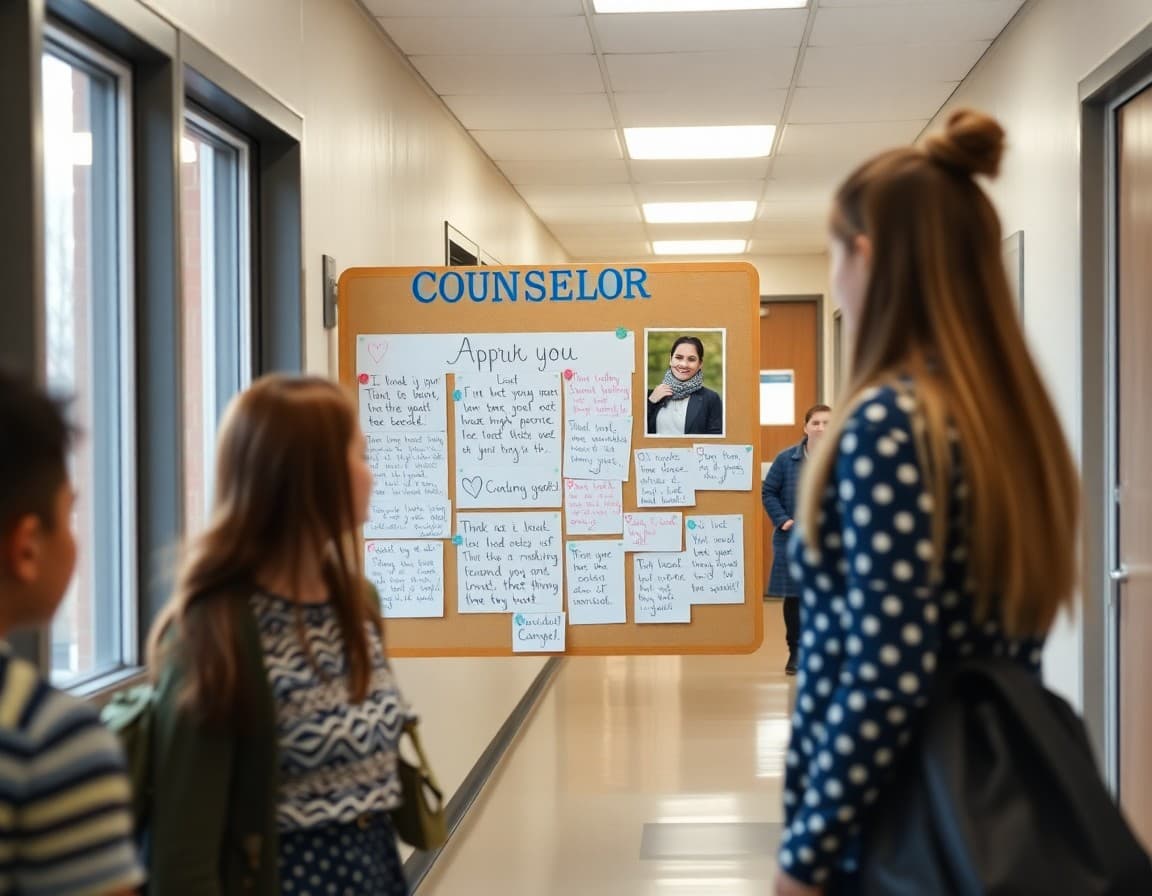
April is the right time for student-organized appreciation for the counseling team. A card campaign. A hallway display of student gratitude notes. A brief assembly recognition. Include in the newsletter how students and families can participate in recognizing the counseling team's contributions this month.
What the Counselor Wants Families to Know
Invite the counselor to contribute a short personal message to the April newsletter. What they are most proud of from this school year. What they want families to know their children can come to them for. What the most common challenge has been this year and how they approach it. Personal voice from the counselor builds the relationship that makes families comfortable reaching out when their child needs support.
Summer Counseling Resources
As the school year moves toward June, families of students facing mental health challenges or significant life transitions need to know that counseling support does not end on the last day of school. Share community mental health resources that provide summer support: community mental health centers, telehealth options, summer therapeutic programs, and crisis lines that are available year-round.
The Impact of Counseling Work
Share one or two anonymized examples of the kinds of challenges counselors address in a year. Not identified cases, but categories: the student whose chronic absenteeism turned out to be connected to a family crisis the counselor helped resolve. The student whose anxiety about the transition to high school was addressed through a targeted small group that the counselor ran in the spring. Specific, human examples make the counselor's impact real to families who have not personally needed the services.
How to Access Support Before the Year Ends
End the newsletter with a clear, specific call to action: if your child is struggling as the year winds down, now is the time to reach out, not after summer begins. Give the counselor's email and phone directly. Note the typical response time. The families who most need to read this section are often the ones least likely to reach out unprompted. A direct, warm invitation to contact the counselor before the year ends can change a student's summer trajectory.
Get one newsletter idea every week.
Free. For teachers. No spam.
Frequently asked questions
What should this newsletter cover?
Lead with what your school is specifically doing to observe or celebrate this topic. Then connect it to family action at home, community resources, and who to contact at school for more information. Generic awareness newsletters are ignored. Specific, school-rooted newsletters get read and shared.
When should the school send it?
The week before or the first week of the relevant observance. Families need enough lead time to participate in events, prepare for activities, or have conversations with their children. A newsletter that arrives after the observance has started is contextual but misses the action window.
How do you keep it from feeling generic?
Name specific students, staff, or community members. Share a specific classroom activity in progress. Connect the theme to something real happening in the building this week. Specificity is what separates a newsletter that gets shared from one that gets archived.
Should it include community resources?
Yes, briefly. One or two relevant organizations or helplines, with contact information. Families who find a useful resource in a school newsletter develop trust in the school as a community hub, not just an educational institution.
How does Daystage help send this newsletter?
Daystage lets school staff create a clean, formatted newsletter and send it directly to all families' inboxes. You write the content, Daystage handles the formatting and delivery. Families receive it in their inbox and can reply directly to follow up.

Adi Ackerman
Author
Adi Ackerman is a former classroom teacher and curriculum writer with 8 years in K-8 schools. She writes about school communication, parent engagement, and what actually works in real classrooms.
More for Community Outreach
School Newsletter: Celebrating Our School Counselors This Week
Community Outreach · 6 min read
School Newsletter: Mental Health Awareness Month Resources for Families
Community Outreach · 6 min read
Back to School Counselor Introduction Newsletter: Helping Families Know Who to Call
Back to School · 5 min read
Ready to send your first newsletter?
3 newsletters free. No credit card. First one ready in under 5 minutes.
Get started free