

School Newsletter: Breaking the Stigma Around Mental Health in School
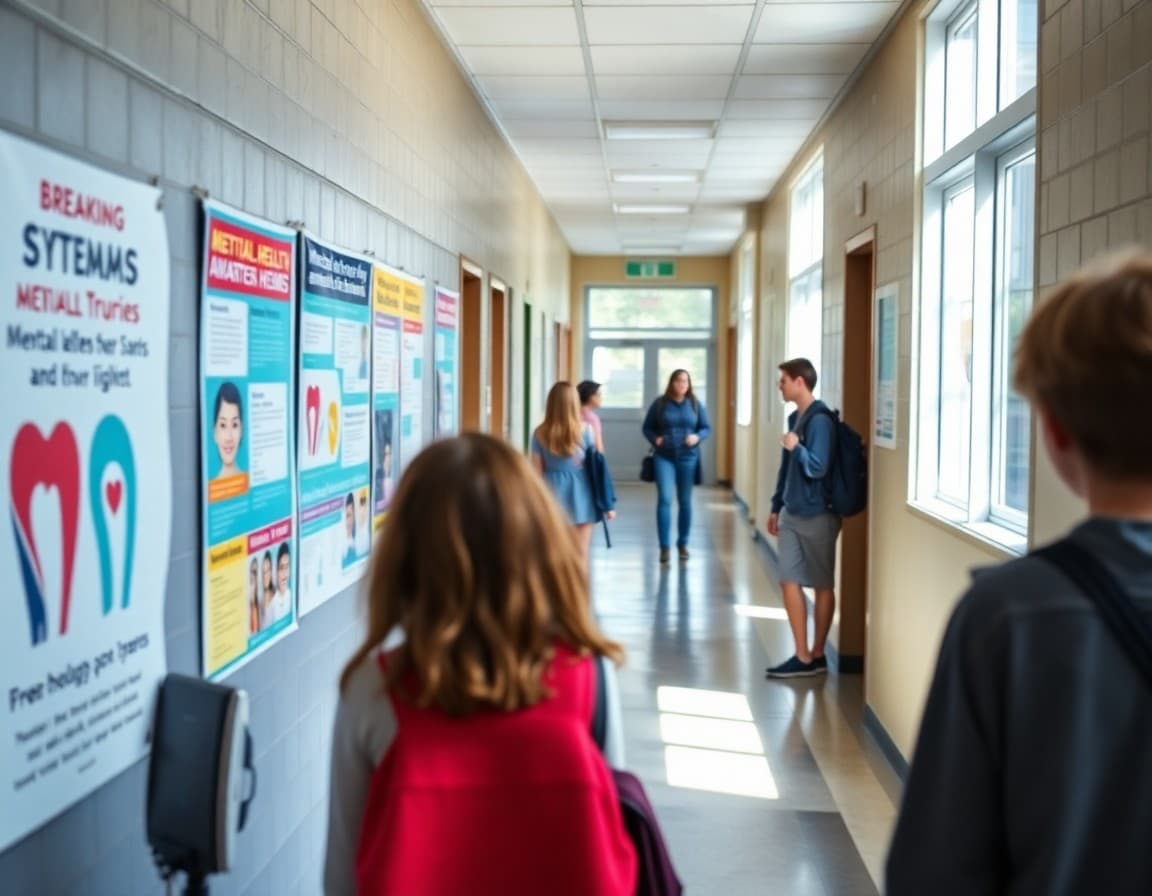
Mental health stigma in schools is a real barrier to help-seeking. Students who have learned -- through family messages, peer culture, or cultural norms -- that mental health challenges are shameful, weak, or abnormal are far less likely to ask for help before a situation becomes a crisis. A school newsletter that directly addresses stigma, names the misconceptions, and establishes the school as a safe place to ask for support does something measurable for student safety.
What Stigma Does to Students
Briefly describe what mental health stigma costs students. The student who is struggling with depression but will not talk to the counselor because 'that is for crazy people.' The student who is having suicidal thoughts but will not tell anyone because they are afraid of being hospitalized or getting their parents in trouble. The student who is experiencing anxiety so severe it affects their grades but who endures it silently because they do not want to seem weak. Stigma kills. Naming that explicitly is not dramatic -- it is honest.
The Misconceptions Worth Addressing Directly
Name and correct three specific mental health stigma misconceptions. One: mental health challenges are rare. They are not -- one in five young people experiences a mental health condition in any given year. Two: mental health challenges are a sign of weakness. They are not -- they are health conditions, just like asthma or diabetes. Three: asking for help makes things worse. It does not -- early intervention consistently produces better outcomes than waiting.
What the School Does to Reduce Stigma
Describe specifically what the school does to create a stigma-free environment. SEL curriculum that normalizes emotional experience across the full range. Open communication from school leaders about their own mental health practices. Visible mental health resources in every hallway. Counselors who are known by name before students need them. A culture where students see peers seek help and nothing bad happens. These specific practices, described in the newsletter, demonstrate that destigmatization is structural, not just aspirational.
Language That Creates and Destroys Stigma
Give families a brief guide to language that reduces stigma at home. Avoid 'crazy,' 'psycho,' or other stigmatizing terms when discussing mental health. Speak about therapy as a normal, positive thing -- not as a last resort. When a child mentions feeling sad, anxious, or overwhelmed, respond with curiosity rather than dismissal. These small language shifts in daily family conversation can undo years of cultural stigma messaging.
The Model the School Wants Families to Set
Students take the biggest cues from the adults closest to them. Families who talk openly about their own mental health, who seek therapy or counseling without shame, who frame emotional wellness as a priority on par with physical health, are modeling the attitude the school is trying to build in its students. This is not pressure on families -- it is an honest description of the most powerful anti-stigma intervention available to any parent.
What Happens When a Student Asks for Help
Describe the school's response when a student asks for mental health support. The process. The privacy protections. What happens next. Who is informed and when. Students who are afraid of the consequences of asking for help -- losing privacy, involving their parents before they are ready, being treated differently by teachers -- often do not ask. A clear, honest description of what actually happens when a student reaches out is one of the most stigma-reducing things a school can publish.
An Invitation to Help Build a Stigma-Free Community
Close with a direct invitation for families to partner with the school in building a culture where mental health is treated like any other health concern. Talk to your children about mental health the way you talk about physical health. Model help-seeking. Use accurate, non-stigmatizing language. If you have concerns about your child's mental health, contact the counselor early. The school cannot build a stigma-free culture alone. It requires every adult in the community to decide that mental health is worth taking seriously -- and acting accordingly.
Get one newsletter idea every week.
Free. For teachers. No spam.
Frequently asked questions
What should this newsletter cover?
Lead with what your school is specifically doing or observing this month. Connect the theme to family action at home, name who at school to contact, and include one community resource. Specific, school-rooted content gets read. Generic awareness content gets archived.
When should it go out?
The week before or the first week of the relevant observance. Families need lead time to participate in events, prepare for activities, or have conversations with their children. A newsletter that arrives after the observance has started is contextual but misses the action window.
How do you make it feel personal rather than institutional?
Name specific students, staff, or community members. Share a classroom activity in progress. Include a direct quote from a teacher, counselor, or student. Specificity is what makes a school newsletter feel like it comes from people who care, not from a template.
How does Daystage help with this newsletter?
Daystage lets school staff create a clean, formatted newsletter and send it to all families' inboxes in minutes. Templates can be reused each year for recurring observances. Families receive the newsletter directly in their email and can reply to ask questions.
Should it include community resources?
Yes, briefly. One or two relevant organizations or helplines make the newsletter useful beyond school hours. Families who find a practical resource in a school newsletter develop trust in the school as a community hub, not just an educational institution.

Adi Ackerman
Author
Adi Ackerman is a former classroom teacher and curriculum writer with 8 years in K-8 schools. She writes about school communication, parent engagement, and what actually works in real classrooms.
More for Community Outreach
Ready to send your first newsletter?
3 newsletters free. No credit card. First one ready in under 5 minutes.
Get started free