
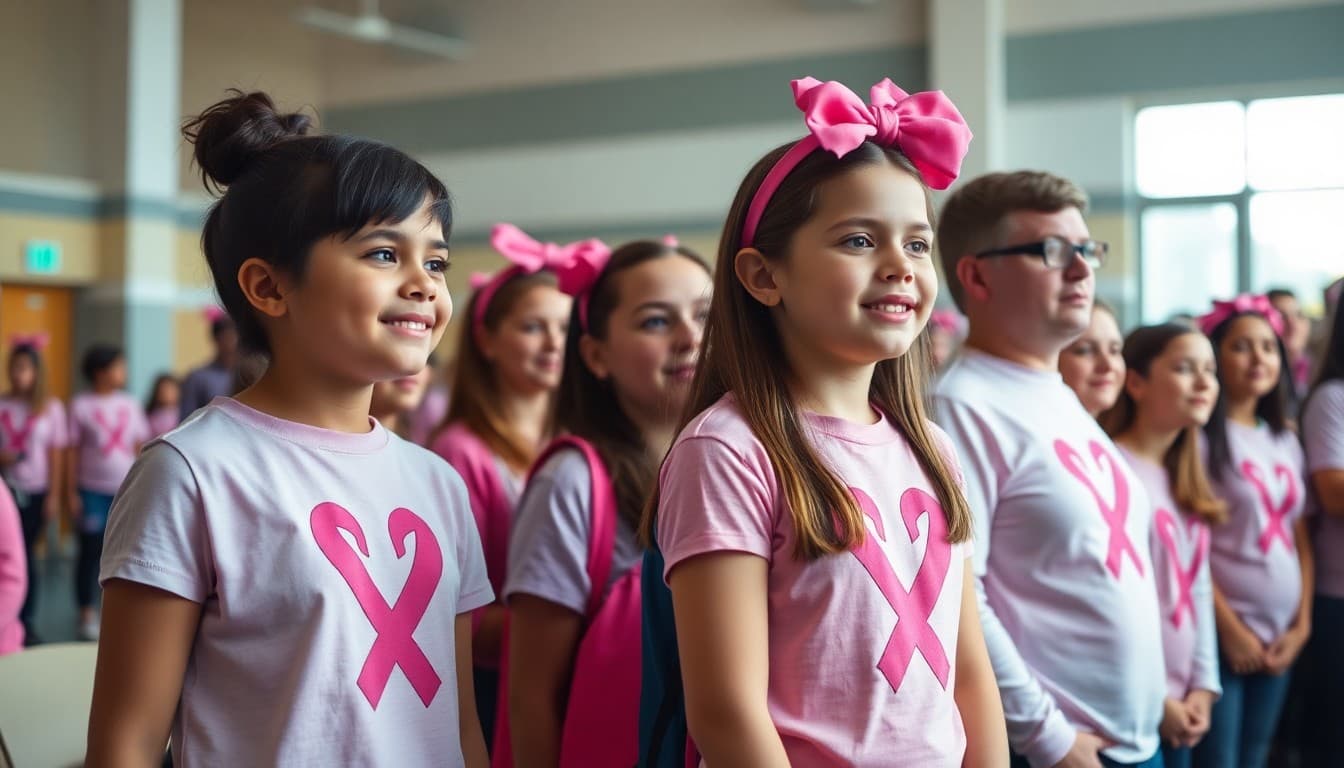
School Newsletter: Pink Out Day and Breast Cancer Awareness
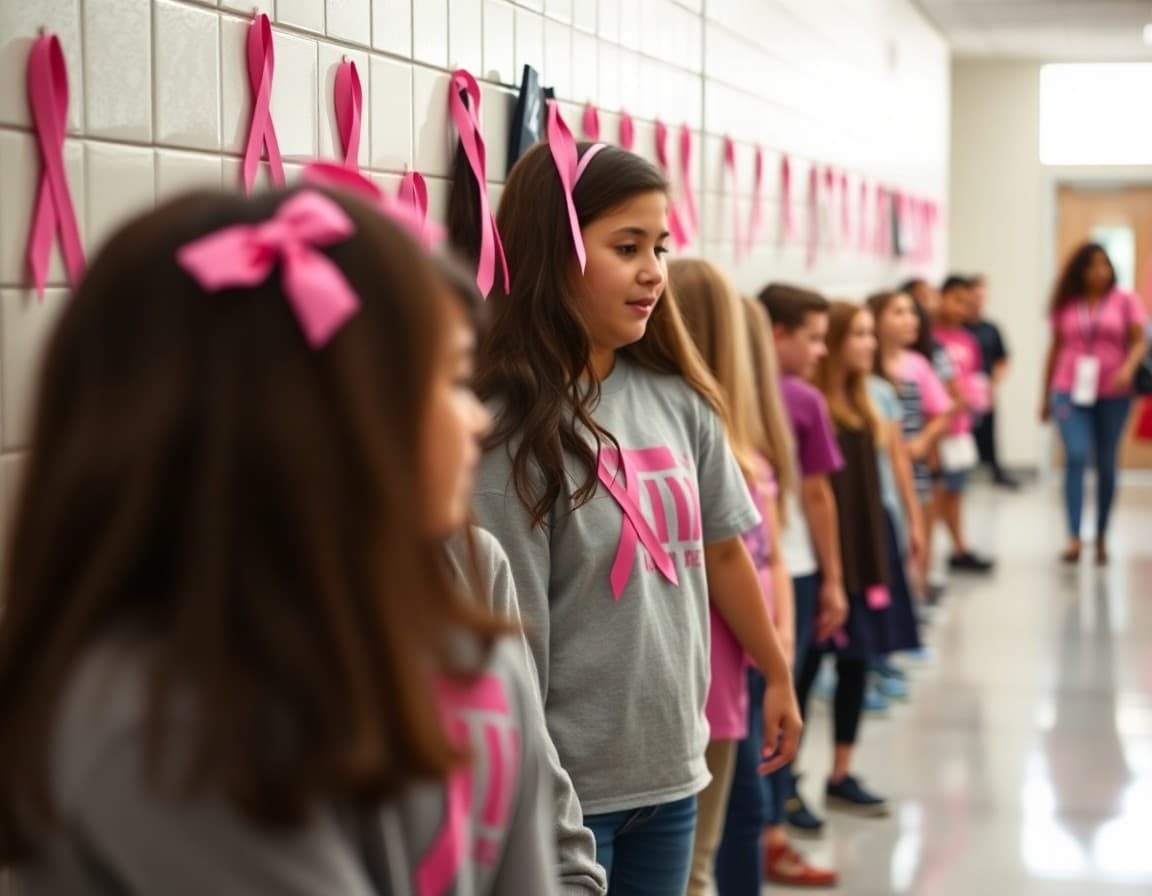
October is Breast Cancer Awareness Month, and many schools observe it with a Pink Out day -- a school-wide show of solidarity that connects students and families to a cause that touches many of their lives directly. A newsletter that handles this topic with honesty, appropriate sensitivity for students who have been personally affected, and practical information about the school's activities does it right.
Pink Out Day Details
Give families complete Pink Out day information: the specific date, what students are encouraged to wear, whether there are any events or assemblies connected to the day, and whether there is a fundraiser or donation component. Families who know the details in advance can prepare their children and choose how to participate meaningfully, rather than learning about it the morning of the event.
Being Thoughtful About Students With Affected Family Members
Some students in your school have parents, grandparents, or other close family members who are currently experiencing or have died from breast cancer. A newsletter that acknowledges this reality -- briefly and with compassion -- helps students who are carrying this weight feel seen rather than invisible during a month of pink ribbons. A sentence in the newsletter noting that the school counselor is available for students who need support during the month is appropriate.
Age-Appropriate Information About Breast Cancer
A brief, factual paragraph about what breast cancer is and why early detection matters is appropriate for middle and high school families and gives context for the month's awareness focus. For elementary schools, focus on the community solidarity aspect rather than the medical details. Age-appropriate information helps students understand why the school is wearing pink without creating unnecessary anxiety.
Fundraiser Details
If the school is participating in a fundraiser connected to breast cancer research or patient support -- a walk, a donation drive, a charity sale -- provide complete information: the organization benefiting, how to donate, deadlines, and what the funds will support. Families who understand where their money goes are more likely to give and more likely to involve their children in understanding why.
The Research Progress Message
Include one or two lines about the progress that early detection and research have made in breast cancer survival rates. Death rates from breast cancer have fallen significantly over the past three decades due to improved screening and treatment. A message of progress -- that awareness and research investment produce real outcomes -- gives the month a hopeful, forward-looking dimension alongside the solidarity focus.
Community Health Resources
Include a link to free or low-cost mammogram resources in the community. Many women, including school staff and family members, do not have access to regular screening. A brief note about free screening programs available to uninsured or underinsured women through local health clinics or national programs like the National Breast and Cervical Cancer Early Detection Program makes the awareness month practically useful, not just symbolic.
Year-Round Connection to Wellness
Close with a connection to the school's year-round health and wellness programming. Breast Cancer Awareness Month is one moment in a broader commitment to student and family health. The same school that wears pink in October also conducts health screenings, supports student mental health, and connects families to community health resources throughout the year. That broader context gives the awareness month its rightful place in an ongoing conversation about community wellness.
Get one newsletter idea every week.
Free. For teachers. No spam.
Frequently asked questions
What should this newsletter cover?
Lead with what your school is specifically doing this month or week. Connect it to family action at home, community resources, and a direct contact for more information. Specificity is what makes a newsletter useful rather than forgettable.
When should the school send it?
The week before or the first week of the observance. Families need lead time to participate in events or prepare for activities. A newsletter that arrives after the observance started is contextual but misses the participation window.
How do you keep this newsletter from feeling generic?
Connect the theme to something specific happening in your school building this week. A classroom activity in progress. A community partner the school is working with. A specific student or staff member doing something worth recognizing. Specificity drives readership and sharing.
Should it include community resources?
Yes, briefly. One or two relevant organizations, helplines, or local resources. Families who find a useful resource in a school newsletter trust the school as a community hub, not just an educational institution.
How does Daystage support this newsletter?
Daystage lets school staff create and send a formatted newsletter directly to every family's inbox. You write the content, Daystage handles formatting and delivery. Templates can be reused and adapted each year for recurring observances.

Adi Ackerman
Author
Adi Ackerman is a former classroom teacher and curriculum writer with 8 years in K-8 schools. She writes about school communication, parent engagement, and what actually works in real classrooms.
More for Community Outreach
Ready to send your first newsletter?
3 newsletters free. No credit card. First one ready in under 5 minutes.
Get started free