
January Art Class Newsletter: What We Are Learning
January is the second opening of the school year. The first-semester momentum is gone and needs to be rebuilt. A January art class newsletter that arrives the first week back from break reconnects families to the program and signals that the second half of the year has a direction worth paying attention to.
Welcome students back with specificity
Open with a genuine welcome back and one thing that is already different in the classroom. Maybe you rearranged the tables, hung new exemplars, or set out a new medium. Something specific grounds the newsletter in a real return to class rather than a generic new-semester announcement.
Summarize fall in three sentences
Give families a quick reference for what was covered in the fall. Not a full recap, just a sentence per major unit. This serves new families who missed the fall, and it frames the spring curriculum as building on something rather than starting from zero.
Announce the spring curriculum arc
Name the major units planned for January through May. Tell families what the second semester adds to what students already know. If the spring curriculum introduces more complex or ambitious work, say so. Families who understand the trajectory of the curriculum are more engaged with the work their child brings home.
"The spring semester builds on the drawing and color fundamentals from fall. We will move into printmaking, mixed media collage, and a culminating self-directed project where students choose their own medium and theme. That final project is the most ambitious work of the year."
Name the January unit and what students are doing this week
Tell families what is happening in class right now. What did students do on the first day back? What will they be working on this week? Giving families a real-time view of the classroom keeps them connected between newsletters.
Sample newsletter template excerpt
Dear Art Families,
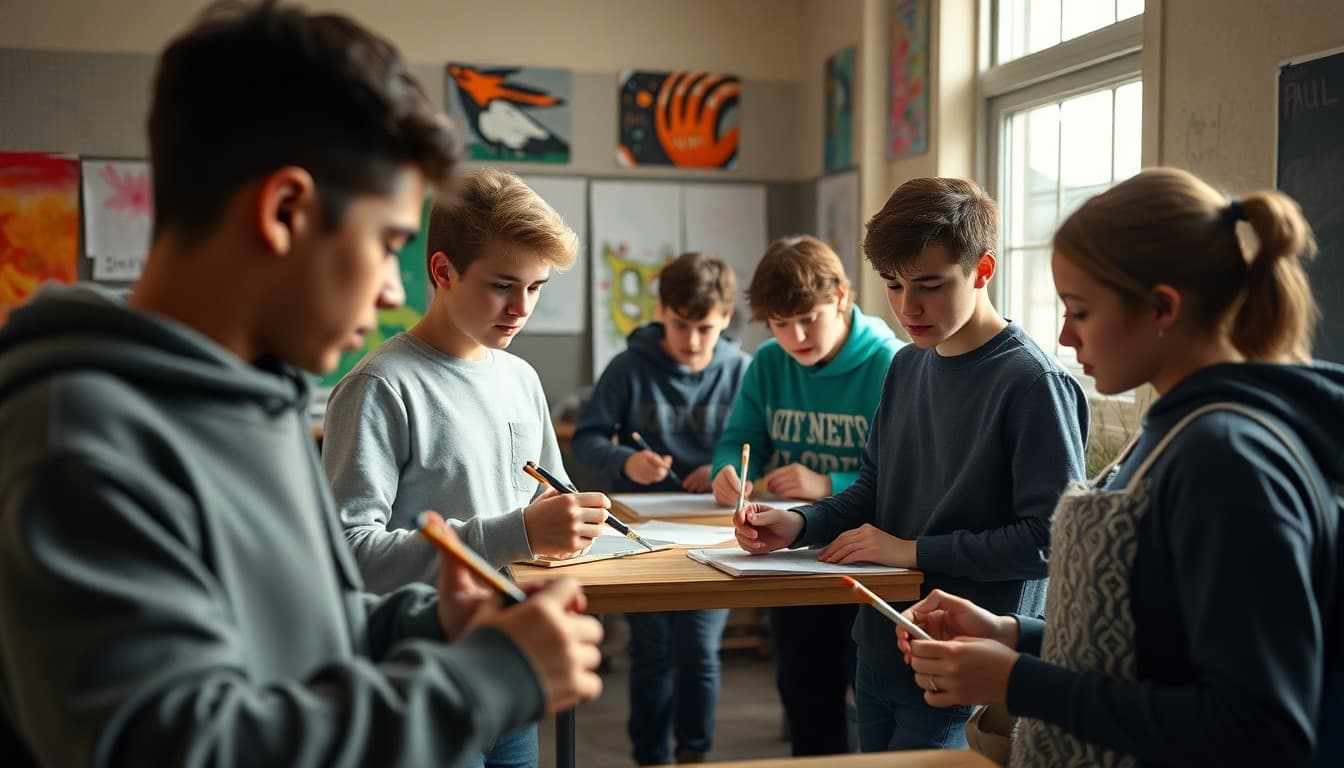
Welcome back. We started January with a warm-up project: students drew their dominant hand using everything they learned about observation in the fall. Comparing these January drawings to the hand drawings from September is striking. The growth is visible in every single one.
This semester we are moving into three-dimensional work. January will focus on wire sculpture. February introduces ceramics. March and April will be a self-directed mixed media project.
Note any changes to class logistics from the fall
If anything is different in the second semester, name it. A change in class meeting time, a new supply requirement, an upcoming show or exhibition, a visiting artist residency. Families who were not tracking over break need an update on anything that has changed since November.
Close with what you are most looking forward to this semester
A teacher who is genuinely excited about the work ahead communicates that excitement through the newsletter. Name one thing, one project, one unit, one moment you are looking forward to seeing students experience this spring. That single sentence does more to build family enthusiasm for the art program than a full page of curriculum description.
Get one newsletter idea every week.
Free. For teachers. No spam.
Frequently asked questions
Why is a January art class newsletter especially important?
January marks a reset. Students return after a break, and families who have been out of contact with the school for two or three weeks need to be reoriented. A January newsletter that announces the second semester curriculum, reminds families of how the class works, and names what is coming in the next few months re-establishes the communication habit that may have lapsed over winter break. For new families who joined the school in January, it also serves as an introduction.
How do you restart momentum after a long break?
The January newsletter should carry energy, not just information. Name something you are genuinely excited about for the spring semester. A new medium, a visiting artist, an exhibition, or an ambitious project that you have been planning for months. Families who can feel teacher enthusiasm in the newsletter bring that energy into conversations with their children about class.
Should the January newsletter review what students accomplished in the fall?
A brief recap of the fall semester in January serves families who may not have paid close attention to the first-semester newsletters, and it gives context for how the spring builds on what students already know. Keep the recap short, two to three sentences per major unit, and focus on skills developed rather than projects completed. The purpose is to show that the curriculum has a trajectory, not to relitigate the fall.
How do you introduce a new medium or technique in the January newsletter?
When introducing a medium or technique that families may not recognize, a brief explanation of what it is and why students are studying it goes a long way. Not every family knows what encaustic painting or cyanotype printing is. Naming the medium, describing what it looks like, and explaining why it is a valuable thing to study at this grade level gives families the vocabulary to engage with their child's work when it comes home.
How does Daystage support second-semester art communication?
Daystage makes it easy for art teachers to build a strong January relaunch newsletter without starting from scratch. Using Daystage templates, teachers can create a consistent monthly communication format that families recognize and look forward to, which makes the second semester feel continuous rather than like a fresh start from zero.

Adi Ackerman
Author
Adi Ackerman is a former classroom teacher and curriculum writer with 8 years in K-8 schools. She writes about school communication, parent engagement, and what actually works in real classrooms.
More for Arts & Music
Ready to send your first newsletter?
3 newsletters free. No credit card. First one ready in under 5 minutes.
Get started free