
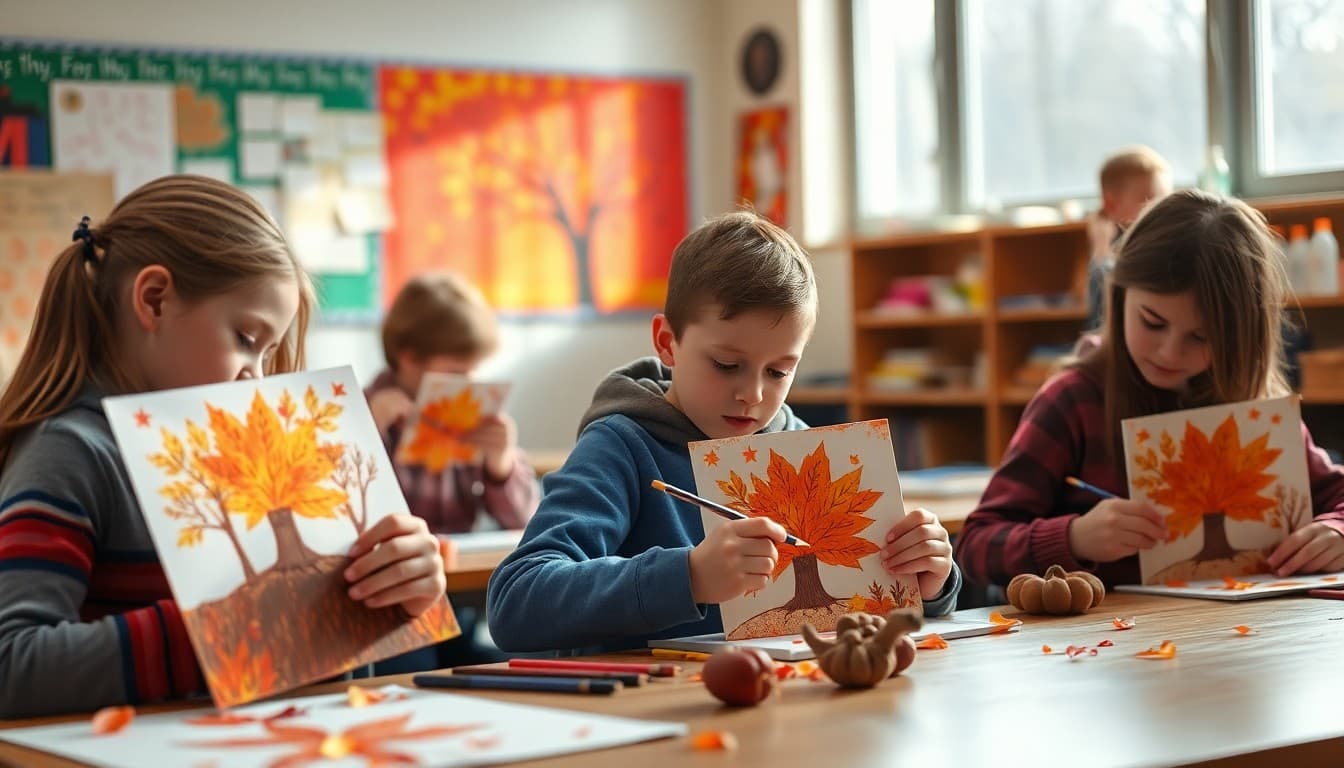
November Art Class Newsletter: What We Are Learning
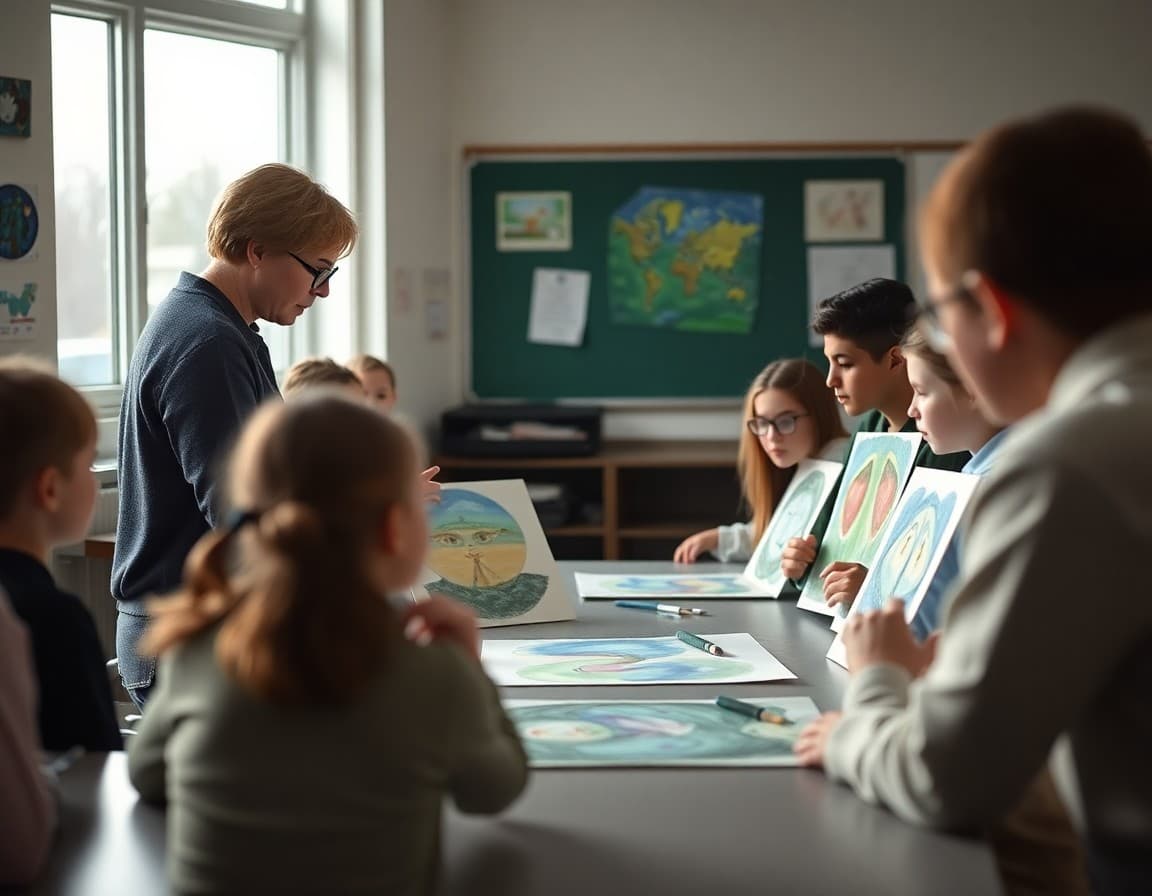
November is a natural checkpoint in the art year. The fall semester is ending, and students have accumulated weeks of work. A November newsletter that acknowledges what has been built and looks forward to what comes next maintains momentum through the holiday disruption and keeps families connected to a program they might otherwise lose track of until after winter break.
Summarize the fall arc in specific terms
By November, students have likely completed two or three significant units. Name them. What did each one teach? What can students do now that they could not do in September? A brief, specific summary of the fall semester gives families a sense of how much ground has been covered and why it matters.
Share what is happening in the classroom right now
Tell families about the current project or unit in detail. What medium are students working in? What is the focal skill? What challenges are they encountering and how are they solving them? The November newsletter should feel like a live report from the classroom, not a schedule update.
"We are in the middle of a printmaking unit this month. Students are cutting relief prints from foam plates and learning to roll ink evenly before pressing. The challenge everyone encounters is that the first print never looks the way they expect. By the third print, most students start to see what is possible with the medium."
Name any work going home or on display
If completed fall projects are coming home soon or being displayed in the school, tell families. Give them context for what they are receiving so they can engage with it meaningfully. "The watercolor studies from October are coming home this week. The focus was on wet-on-wet technique. Notice whether your child used soft edges throughout or mixed hard and soft edges to create contrast."
Preview December and the winter break
If December involves any special projects, gifts the class is making, or a winter art show, mention it now. Families who have advance notice can plan around events rather than discovering them with a week's notice. If class continues normally through December without special events, saying so briefly prevents families from assuming there is a performance or showcase they have missed.
Sample newsletter template excerpt
Dear Art Families,
We are wrapping up our printmaking unit this week. Students have made between four and six prints each, and the best ones will be displayed in the school library through December. I'll send a note when the display goes up so you can stop by.
In December we are starting a three-dimensional unit using wire and found materials. Students will need clean cardboard pieces, any size. Please save any cardboard boxes between now and December 1st.
Thank families for their support this fall
November is a natural moment to acknowledge families who have contributed supplies, volunteered for art events, or supported the program in other ways. A brief, specific thank-you in the newsletter, naming the contribution if possible, builds goodwill that makes future requests easier to respond to.
Close with student voice
End with something a student actually said or did in class this month. A student who declared their print "ugly but interesting," or one who asked a question that surprised you, gives the newsletter warmth and specificity that abstract curriculum descriptions cannot.
Get one newsletter idea every week.
Free. For teachers. No spam.
Frequently asked questions
What is the right focus for a November art class newsletter?
November sits between the settling-in of October and the holiday disruption of December. The newsletter should close out whatever unit students have been in, name any portfolio-worthy work completed this fall, and look ahead to what happens in December and January. It is also a good moment to mention any gift-giving art projects if relevant, since families appreciate knowing about items their child is making as a gift so they can plan accordingly.
How do you handle holiday-themed art projects in the newsletter?
If you do holiday projects, explain the artistic skills the project develops rather than just naming the holiday. Families from diverse backgrounds are more likely to feel included in the program when they see that the project is about technique, not just celebration. If you deliberately avoid holiday-specific themes, a brief explanation of that choice in the newsletter can help families understand the curriculum philosophy.
Should an art teacher send a newsletter right before Thanksgiving break?
A brief November newsletter sent before Thanksgiving break reminds families that class continues in December and previews what students will be working on. It is also a good moment to share completed fall work, either via photos in the newsletter or by noting that work is on display in the school. Families who receive a newsletter right before a break feel connected to the class even during the interruption.
How do you recap fall progress in a November newsletter without sounding like a report card?
Describe what students have made and what skills they have developed in concrete terms without grading the outcomes. 'Students have completed four major projects this fall. Each one built on the previous unit. If you look at a drawing from September next to one from November, the difference in confidence and control is visible.' This describes growth without ranking students or making families anxious about where their child falls.
How does Daystage help with November art class communication?
Daystage lets art teachers share a visual November newsletter with photos of current student work alongside curriculum descriptions. A newsletter that shows the actual artwork from the fall semester, with brief captions explaining what each piece demonstrates, gives families a concrete record of what their child has been doing in art class all fall.

Adi Ackerman
Author
Adi Ackerman is a former classroom teacher and curriculum writer with 8 years in K-8 schools. She writes about school communication, parent engagement, and what actually works in real classrooms.
More for Arts & Music
Ready to send your first newsletter?
3 newsletters free. No credit card. First one ready in under 5 minutes.
Get started free