
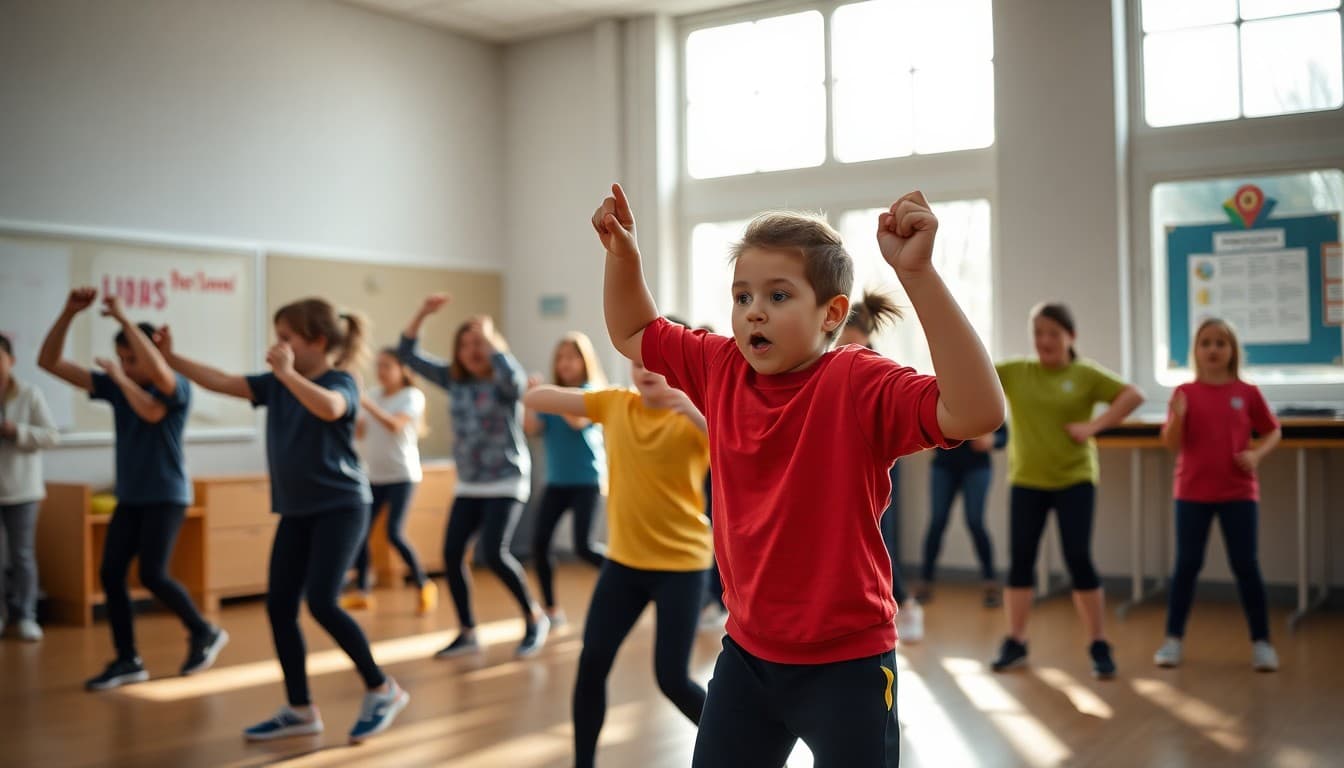
February PE Class Newsletter: What We Are Learning
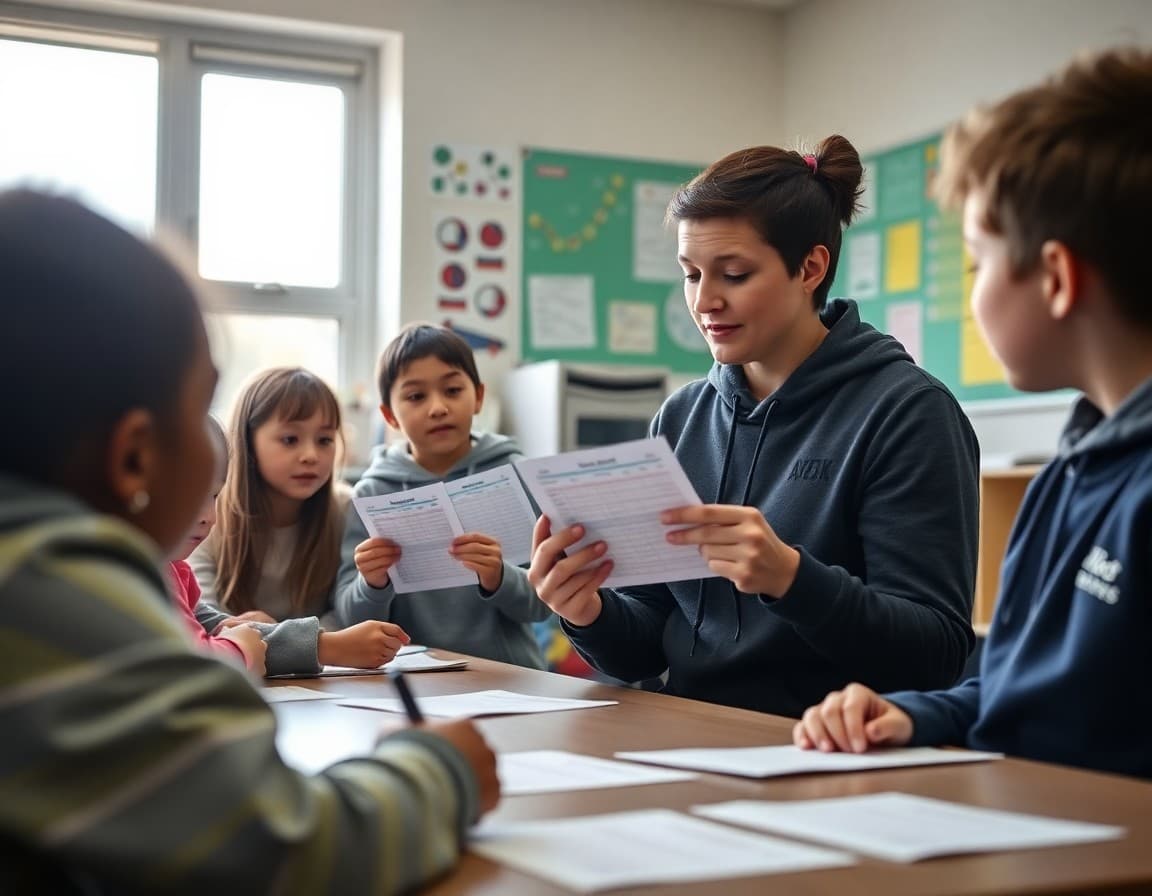
February PE communication is about mid-unit honesty. The fitness goals set in January are either taking hold or struggling, and families benefit from knowing which is true for the class as a whole. A February newsletter that reports progress specifically, addresses the mid-unit slump directly, and previews the spring sport units ahead is one that families will actually act on.
Report on fitness unit progress
Tell families what the class has accomplished since January. Name specific fitness improvements: cardiovascular endurance improvements, strength gains, flexibility progress. Use aggregate class-wide language rather than individual comparisons. "Students have increased their average endurance run distance by two laps since January. Core strength scores have improved in 80 percent of students."
Address the mid-unit motivation challenge
February fitness work can feel tedious compared to the game-based units on either side of it. A newsletter that names this honestly and explains why the work matters gives families something to say to a child who is dragging their feet about PE this month. "The hardest part of building fitness is the middle weeks, when it feels like the work is not producing results yet. It is. The results catch up with the effort, but there is always a lag."
Share what students are learning about their own bodies
February is often when fitness literacy concepts get introduced. What students are learning about cardiovascular health, muscle groups, hydration, recovery. A brief explanation of one concept from this week's class gives families a conversation starter. "This week students learned why we warm up before exercise and cool down after. Ask your child to explain what happens in your muscles if you skip the cool-down."
Preview the spring sport units
Name what is coming after the fitness unit. Spring sport units, outdoor activities, cooperative games. Giving students and families something to look forward to after the structured fitness work is a legitimate motivational tool. "After the fitness unit ends in late February, we are moving into the volleyball and ultimate frisbee units. The cardiovascular work we are doing now will make both of those units significantly easier."
Sample newsletter template excerpt
Dear PE Families,
February fitness update: students have been tracking their personal goals since January 8th. As a class, we have seen improvement in all three areas: endurance, strength, and flexibility. Individual progress sheets came home last Friday.
The fitness unit runs through February 28th. Starting March 3rd we begin the volleyball unit, which will run through spring break. No equipment needed from home.
Offer activity suggestions for home
February is still cold in most of the country, and indoor physical activity options are important. Name a few: a family game that involves movement, indoor sports or recreation facilities nearby, a yoga or fitness video appropriate for kids, a home stretching routine. The families who receive concrete suggestions are more likely to act than the families who receive general encouragement.
Close with what the class is proud of this month
End with a specific observation of student effort or progress that captures the character of the class in February. A student who hit their goal early and set a new one. A class that pushed through a hard endurance session without anyone giving up. A moment that showed that the fitness habits are genuinely taking hold. These details give the newsletter warmth that curriculum descriptions cannot.
Get one newsletter idea every week.
Free. For teachers. No spam.
Frequently asked questions
What should the February PE newsletter cover?
February is typically mid-fitness unit for many PE curricula. The newsletter should report on how the fitness unit is going, share any class-wide progress observations, and remind families what students are working toward. It should also preview the spring units that follow the fitness focus, giving families a sense that the more game-based and outdoor activities are coming after the more structured January-February work.
How do you share fitness progress in a newsletter without violating student privacy?
Class-wide progress descriptions are appropriate for newsletters. Individual scores or rankings are not. 'As a class, the average number of laps completed in a 12-minute run has increased by 15 percent since January.' That kind of aggregate observation celebrates progress without exposing individual student performance. Individual benchmark data should go home directly to families in a format that only they and the teacher see.
How do you keep students motivated in February when the fitness unit feels repetitive?
A newsletter that gives families insight into the motivation challenge is more useful than one that ignores it. 'February is the hardest month of the fitness unit because the novelty is gone and the goal still feels far away. The students who push through this month are the ones who see the biggest gains by May.' When families understand the challenge, they can provide encouragement at home that complements what you are doing in class.
Should the February PE newsletter include heart rate or exercise science concepts?
If your curriculum includes exercise science concepts like target heart rate, aerobic versus anaerobic activity, or muscle recovery, introducing these in the newsletter gives families vocabulary to use with their child. 'This week students learned about aerobic exercise and why it benefits the heart. Ask your child to explain aerobic versus anaerobic activity.' This kind of home connection reinforces classroom learning.
How does Daystage help PE teachers build the February newsletter?
Daystage gives PE teachers a consistent newsletter format that makes February communication easy to produce. When the monthly newsletter goes out on schedule through Daystage, families develop the expectation of staying connected to the PE program. That expectation keeps them engaged even in the months when PE communication would otherwise go unnoticed.

Adi Ackerman
Author
Adi Ackerman is a former classroom teacher and curriculum writer with 8 years in K-8 schools. She writes about school communication, parent engagement, and what actually works in real classrooms.
More for Arts & Music
Ready to send your first newsletter?
3 newsletters free. No credit card. First one ready in under 5 minutes.
Get started free