

February Music Class Newsletter: What We Are Learning
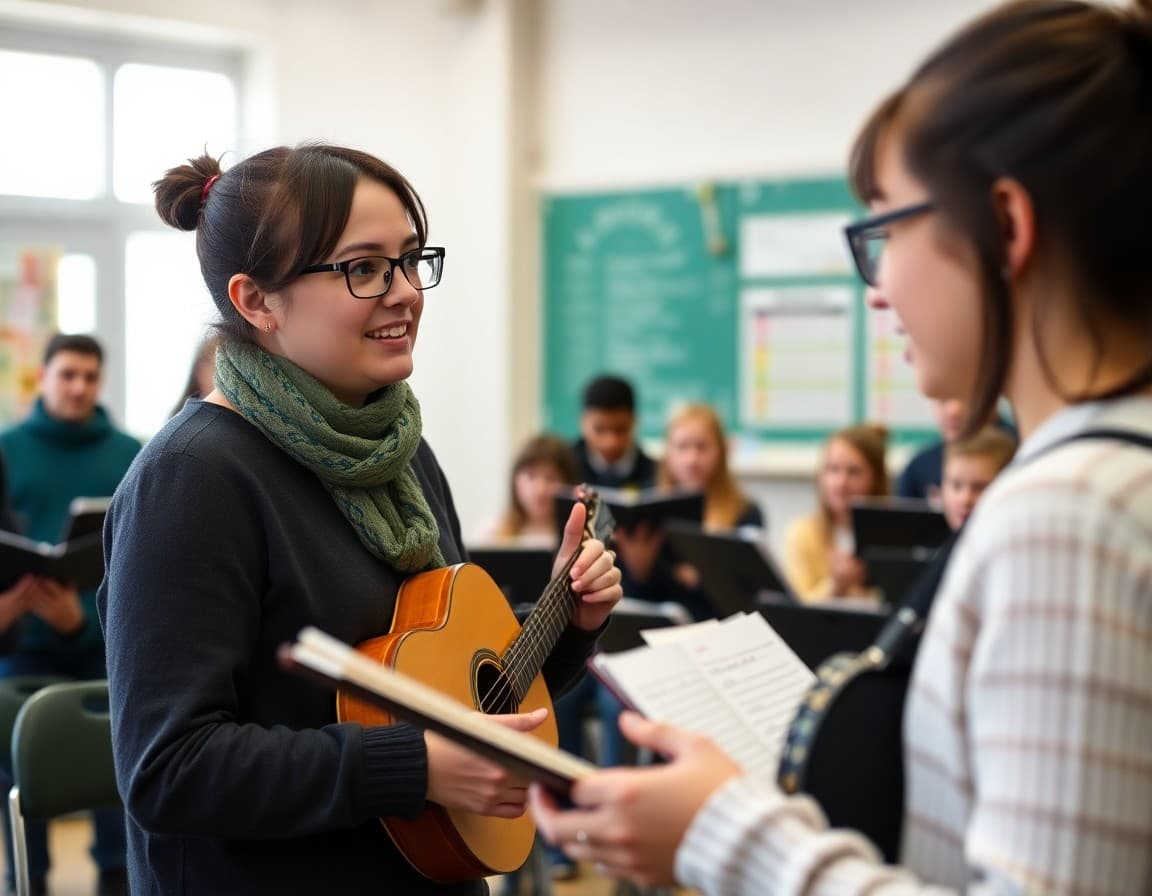
February in the music room is mid-course correction time. The spring semester is underway, the first month of re-learning after break is done, and you have enough information to know which students and which passages need focused attention before the spring performances. A February newsletter that shares that honestly and gives families specific actions is more useful than a routine update.
Describe where the spring repertoire stands
Tell families how the pieces are developing. Which are strong? Which are still being learned? What is the specific challenge in the piece that most needs home practice right now? Families who know where the work is happening can ask targeted questions and give more useful encouragement.
Name specific technical skills being developed
February rehearsals often focus heavily on a specific technical skill: intonation, articulation, blend, or dynamic control. Name the skill you are working on and explain why it matters for the concert program. Families who understand what blend means, and why it is the difference between a good ensemble sound and a great one, listen to rehearsals at home differently.
"This month we are focused on dynamic contrast, playing the loud parts louder and the soft parts much softer. Most ensembles default to mezzo-forte. Playing true piano and true forte is harder than it sounds and makes the music ten times more interesting to listen to."
Address festival and competition preparation if relevant
If students are participating in solo and ensemble festival, marching band competitions, or other evaluative events this spring, February is when families need the details. Name the event, the date, what preparation is required, any fees, and what families need to do before the registration deadline.
Give families a home practice focus
Instead of just reminding families about practice, give them a specific practice task for this week. "Ask your child to play the slow section of 'Sunset March' for you. It should be smooth and quiet. If it is choppy or loud, that is what we are working on in rehearsal." This specific invitation makes the practice conversation productive rather than generic.
Sample newsletter template excerpt
Dear Music Families,
February update: the spring concert program is taking shape. 'Sunrise Fanfare' is sounding strong. 'March to the Sea' still needs work in the transition at measure 32. That is our focus this week. Students should practice measures 28-40 slowly every day.
Solo and Ensemble registration deadline is February 28th. Forms went home Monday. Please return with the $8 participation fee by Friday.
Preview what comes in March and April
Give families a forward look at the spring calendar. If there is a festival in March, a concert in May, or any other event in the next three months, name it now so families can plan. The spring music calendar fills up quickly and early notice is the difference between full family attendance and half-empty seats.
Close with what you are hearing in rehearsal that excites you
Name one specific thing that is sounding better than it did a month ago. An improvement that surprised you, a section that clicked, a student who hit a passage they have been struggling with for weeks. Specific positive observations in the newsletter close build morale and send a message that the teacher is paying close attention to the work.
Get one newsletter idea every week.
Free. For teachers. No spam.
Frequently asked questions
What should a February music class newsletter cover?
February sits between the January restart and the spring performance season. The newsletter should report on how the spring repertoire is developing, address any technical skills students are working on, and remind families of upcoming performances and any festival or competition entries. For solo and ensemble programs, February is often when registration deadlines fall, so including those details is important.
How do you report on musical progress in February without grades?
Describe what you hear in rehearsals: which passages are solid, which still need work, what technical improvements have been the most noticeable since January. Use observational language rather than evaluative language. 'The brass section has found a consistent tone quality that was not there in January. The woodwinds are still working on intonation in the upper register.' These descriptions give families useful information without grading individual students.
How do you communicate about solo and ensemble festival preparation in February?
If students are participating in solo and ensemble festival, the February newsletter should explain what the festival is, when and where it happens, what students are preparing, and any registration or fee information families need. Many families are unfamiliar with festival culture in school music programs. A brief explanation of how festivals work, what students are evaluated on, and why participation matters gives families the context to support the experience.
How do you handle students who are struggling with spring repertoire in February?
If some students are significantly behind on concert repertoire, the February newsletter is a good place to address the issue in class-wide terms. 'Students who are practicing five days a week are where they need to be for the spring concert. Students practicing fewer than three days a week will find the next two months more difficult. Now is the time to increase the practice consistency.' This message, sent home in February, gives families time to adjust before the problem becomes a concert-day one.
How does Daystage help with February music communication?
Daystage lets music teachers build a February newsletter with festival information, spring calendar reminders, and rehearsal progress reports in a consistent format that families have come to rely on. When the monthly newsletter arrives reliably through Daystage, families pay attention to it in a way they do not always give to irregular emails.

Adi Ackerman
Author
Adi Ackerman is a former classroom teacher and curriculum writer with 8 years in K-8 schools. She writes about school communication, parent engagement, and what actually works in real classrooms.
More for Arts & Music
Ready to send your first newsletter?
3 newsletters free. No credit card. First one ready in under 5 minutes.
Get started free