
January PE Class Newsletter: What We Are Learning
January PE starts from a lower baseline than September. Students have had two to three weeks of reduced structured activity, winter weather has limited outdoor movement for many, and the post-holiday return to school is already a transition. A January PE newsletter that acknowledges this reality and gives families practical tools to support the restart is more useful than one that pretends nothing changed over break.
Acknowledge the break honestly
Open by naming that students are returning from winter break and that the first weeks of January involve re-building the physical habits and conditioning that were set before break. This is normal, not a failure. Families who understand this do not panic when their child comes home tired from PE in January.
Introduce the second semester curriculum
Map the rest of the year for families. Name the units planned for January through May, the sequence logic, and any new skills or activities students have not encountered before. Families who can see the full semester plan engage with each unit as part of a whole rather than as a series of disconnected activities.
Describe the fitness unit in accessible terms
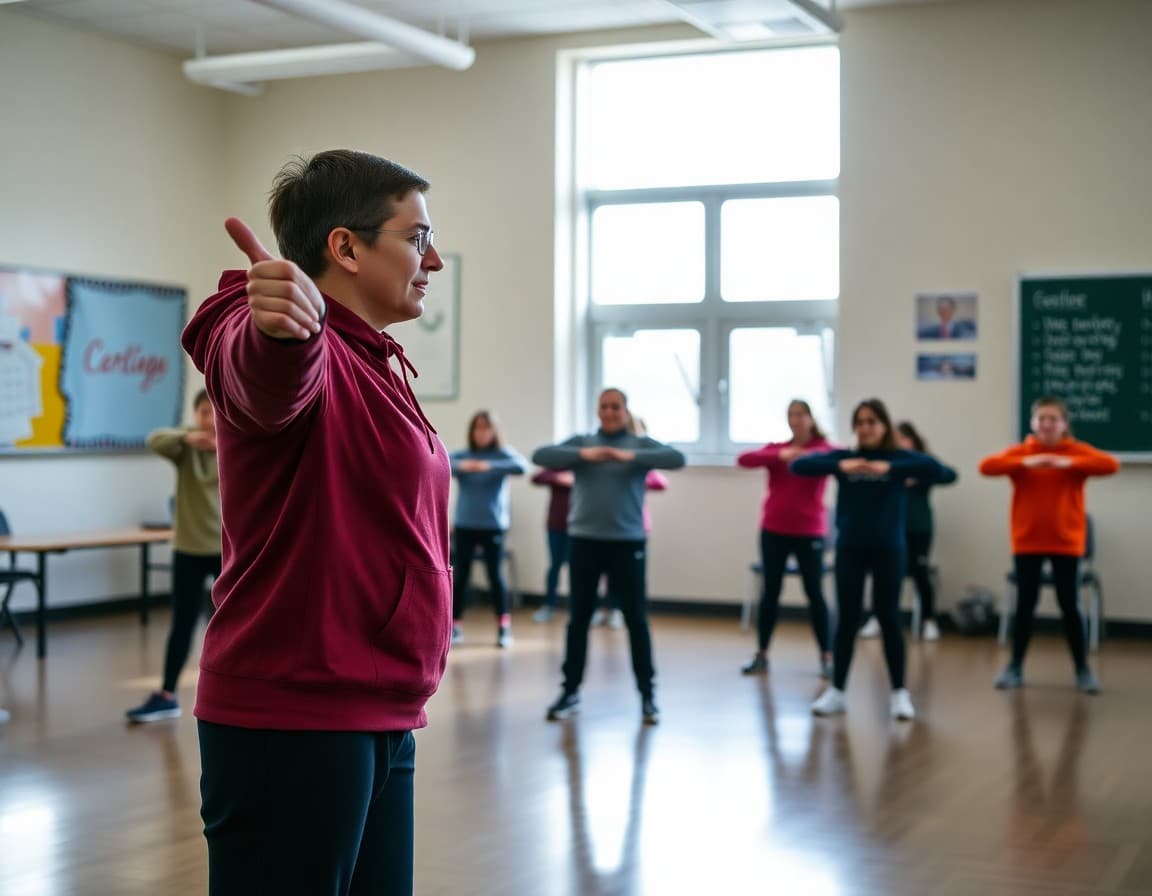
If January begins a dedicated fitness unit, explain what it involves. What exercises or activities are included? What does a typical class look like? What are students working to develop? The language of personal improvement, not competitive fitness, helps families see the unit as about capability development rather than performance judgment.
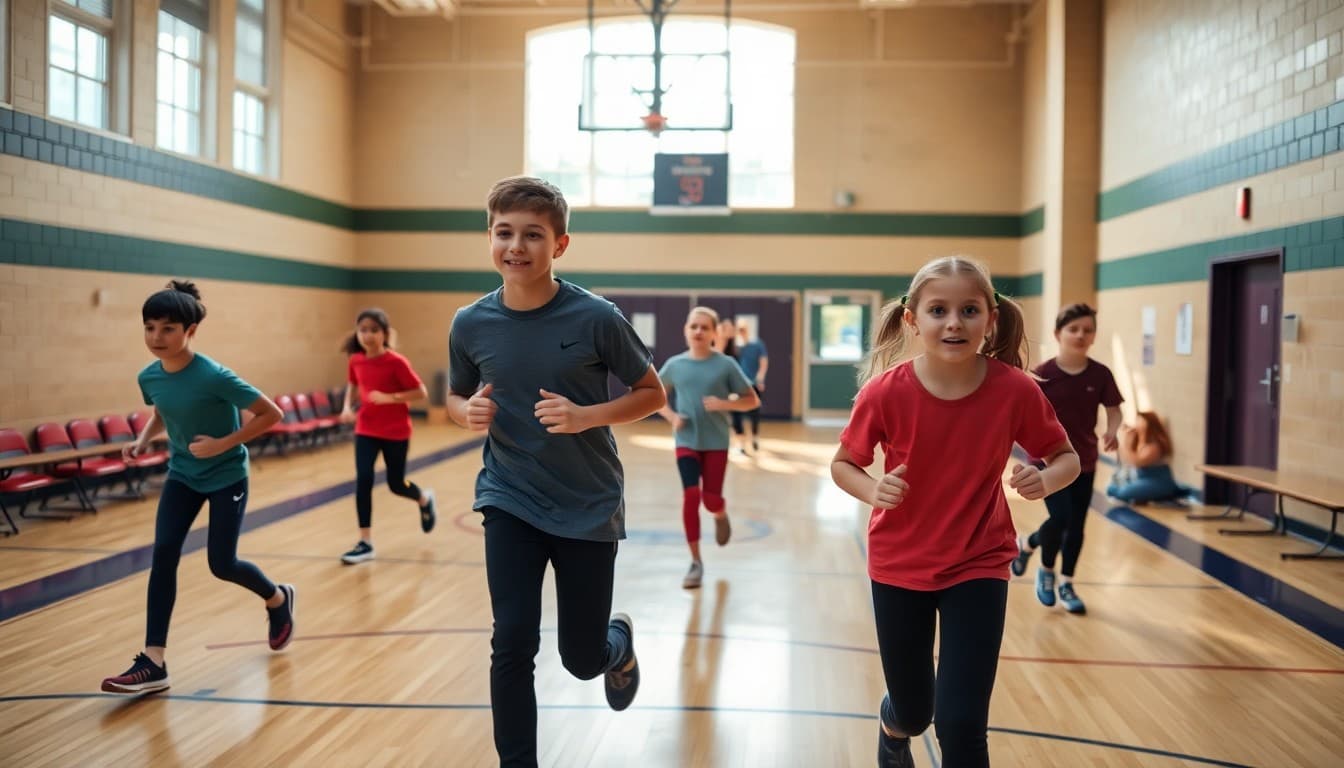
"Our January fitness unit focuses on three areas: cardiovascular endurance through running and jump rope activities, core strength through bodyweight exercises, and flexibility through daily stretching. Students set a personal goal in each area at the start of the unit and track their progress across January and February."
Encourage active routines at home
January is when families need the most encouragement to stay active. Cold weather, shorter days, and post-holiday fatigue all work against physical activity. Give families two or three specific, low-barrier suggestions: a ten-minute walk after dinner, a family dance session before school, a weekend outdoor activity. Specific is more actionable than general.
Sample newsletter template excerpt
Dear PE Families,
Welcome back. We are starting January with our fitness unit, which runs through February. Students will set personal goals in three areas: cardiovascular endurance, core strength, and flexibility. Progress tracking sheets go home with students at the end of each week.
At home: the most helpful thing you can do is encourage your child to share their weekly progress sheet with you and ask what they are working on. That conversation reinforces the goal-setting habit we are building in class.
Address fitness assessment anxiety
If your class includes a fitness assessment in January, reassure families that it is a personal benchmark, not a competitive ranking. Name what the assessment measures, when results will be shared, and how they will be used. Families who understand the purpose of the assessment support it rather than fearing it.
Close with the spring semester outlook
Give families a forward-looking sense of where the year is headed. The fitness unit now, the spring sport units later, any outdoor education experiences, culminating activities. Families who can see the arc of the year stay invested through the whole arc rather than just through whatever unit is happening now.
Get one newsletter idea every week.
Free. For teachers. No spam.
Frequently asked questions
What should the January PE newsletter focus on?
January is the most important month in the PE calendar for rebuilding habits after winter break. The newsletter should acknowledge that students are returning after a period of reduced activity, introduce the second semester curriculum, and give families concrete suggestions for re-establishing active routines at home. The January fitness unit is common in many PE curricula, and this is a good moment to explain what it involves and how families can support it.
How do you introduce fitness goals in January without making students feel judged?
Frame January fitness work as a fresh start, not a reckoning with holiday inactivity. The language of personal improvement, where each student is working toward their own growth rather than a competitive standard, keeps fitness goal-setting from feeling threatening. 'Everyone starts January from exactly where they are. The goal is to end May further than where you started January. That is the only measurement that matters.'
Should the January PE newsletter mention New Year's fitness culture?
You can acknowledge the New Year as an occasion for goal-setting without endorsing diet culture or weight-loss language. Focus on physical capability, endurance, strength, flexibility, coordination, rather than appearance-based goals. The PE curriculum is about what bodies can do, not what they look like. A newsletter that reflects this philosophy builds a healthy relationship with fitness that families can model at home.
How do you explain the fitness unit to families who are concerned about their child being embarrassed?
A January newsletter that explains how the fitness unit is structured, what assessments involve, and how results are shared addresses parental anxiety before it surfaces as individual emails. Reassure families that fitness benchmarks are personal and are not shared publicly or posted for other students to see. A student who is working from a lower fitness baseline receives the same encouragement and support as a student who enters January in peak condition.
How does Daystage help PE teachers communicate about the fitness unit?
Daystage lets PE teachers build a January newsletter with fitness goals, unit descriptions, and home activity suggestions in a clean format families can save and reference. When families receive a thorough January PE newsletter through Daystage at the start of the semester, they understand the program well enough to support the fitness work happening in class.

Adi Ackerman
Author
Adi Ackerman is a former classroom teacher and curriculum writer with 8 years in K-8 schools. She writes about school communication, parent engagement, and what actually works in real classrooms.
More for Arts & Music
Ready to send your first newsletter?
3 newsletters free. No credit card. First one ready in under 5 minutes.
Get started free