
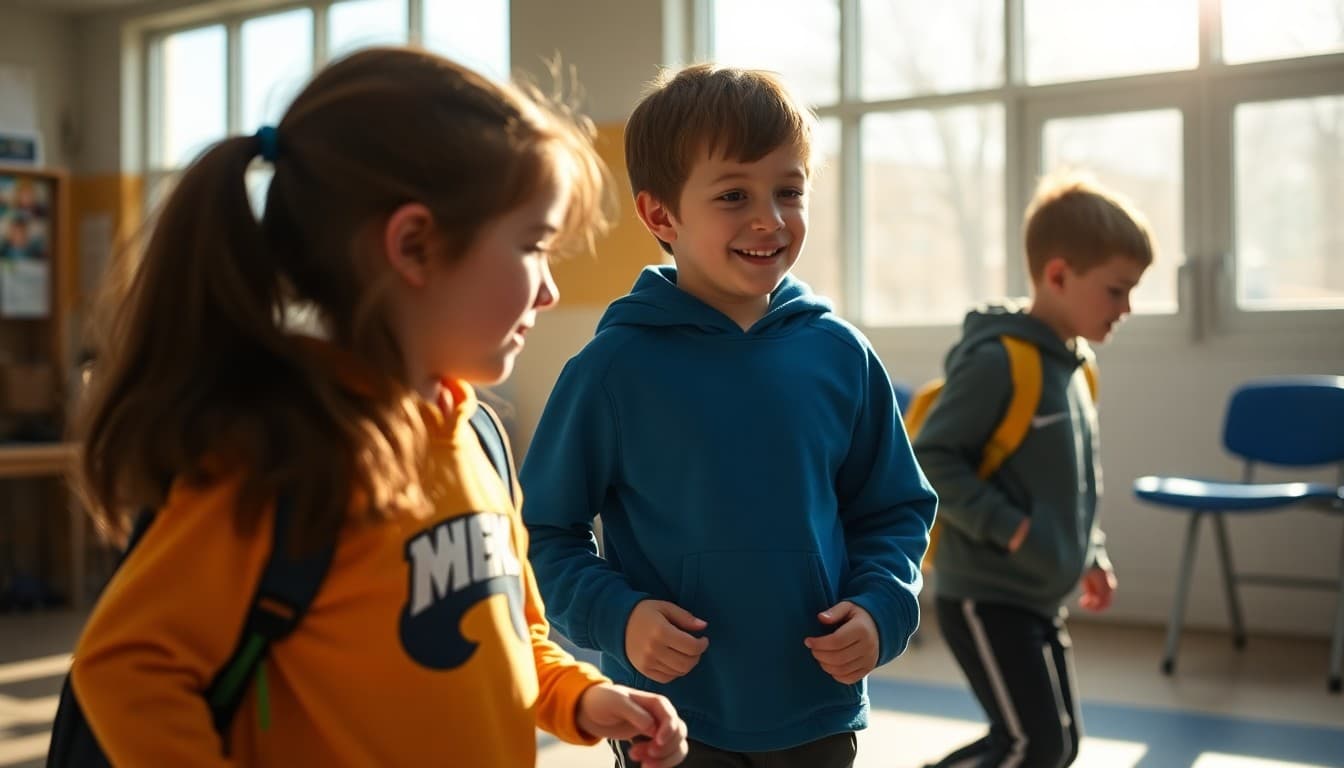
March PE Class Newsletter: What We Are Learning

March brings one of the best transitions in the PE year. The focused winter fitness work is done, the weather is turning, and students are moving back into the game-based and outdoor activities that most of them have been waiting for since November. A March newsletter that celebrates the close of the fitness unit and launches the spring with genuine energy carries that momentum into April and May.
Close the fitness unit with specific results
Name what the class accomplished across the winter fitness unit. Class-wide improvement data in general terms: average endurance gains, strength improvements, flexibility progress. The names of students who hit their personal fitness goals, if sharing is appropriate and consented. The habits that you observed developing across the class. A unit close that names real outcomes feels earned rather than routine.
Announce the spring units with enthusiasm
Name the spring sport units clearly and give families something to look forward to. Describe each unit briefly: what sport or activity, what skills it develops, how it builds on what students learned in winter. The spring curriculum preview is one of the best tools for sustaining family engagement through the final months of the year.
Connect fitness work to spring sport performance
Help students and families see why the January-February work matters for March and beyond. Specific connections are more powerful than general ones. "The core strength work we did in February directly improves rotational power in throwing. Students who put in the work will notice the difference in the first week of the softball unit."
Encourage outdoor activity at home
March is when families can realistically move back to outdoor activity after winter. Name specific options: weekend bike rides, family hikes, backyard sports, community recreation programs starting up for spring. Activity suggestions that fit the season and require minimal equipment are the most accessible.
Sample newsletter template excerpt
Dear PE Families,
The fitness unit is done. As a class, students improved their cardiovascular scores by an average of 18 percent since January. That is real and it is worth celebrating.
Starting this week we are in the volleyball unit. The fitness base from winter will make a visible difference. Spring unit schedule: volleyball through April 4th, ultimate frisbee through April 25th, cooperative games and outdoor recreation through the end of May.
Address spring outdoor clothing and weather prep
Spring weather is variable, and students who arrive at outdoor PE unprepared have a worse experience. Remind families about appropriate footwear for outdoor surfaces, layering for variable temperatures, and any other specific equipment that helps students participate fully in the spring units. A brief, practical reminder prevents the most common spring PE frustrations.
Close by looking forward to the final stretch
End the March newsletter by naming what you are looking forward to in the spring units. A skill challenge you are excited to introduce, an outdoor activity the class has been building toward, or simply the return to sunshine and open space. Teacher enthusiasm in the newsletter close sets the tone for how families and students approach the final two months of the PE year.
Get one newsletter idea every week.
Free. For teachers. No spam.
Frequently asked questions
What makes March a transition month in PE?
March marks the shift from indoor winter units and fitness focus to outdoor spring sport units. For students, this transition is energizing: they move from structured fitness routines to more game-based, social activities that many find inherently more motivating. A March newsletter that celebrates the completion of the fitness unit, shares any end-of-unit results, and builds enthusiasm for the spring curriculum uses the natural momentum of the transition.
How do you wrap up the fitness unit in the newsletter?
Closing the fitness unit in the newsletter means sharing what the class achieved across January and February. Class-wide improvements in endurance, strength, or flexibility benchmarks. Students who hit their personal goals. Observations about the habit-building that happened across eight weeks of consistent work. A close that acknowledges the difficulty of the fitness unit while naming the real gains made gives the unit the credit it deserves.
Should the March PE newsletter mention the return to outdoor activities?
Yes, and with genuine enthusiasm. Many students who struggled with the indoor fitness unit come alive in the spring outdoor units. A newsletter that names the outdoor transition and gives families weather-appropriate activity suggestions builds on the momentum of the season change. This is also a good moment to remind families about appropriate outdoor clothing for PE, since spring weather can be variable.
How do you connect spring sport units to the fitness work students did in winter?
Helping students and families see the connection between the winter fitness unit and spring sport performance makes the fitness work feel retroactively worthwhile. 'The cardiovascular endurance you built in January and February is why volleyball and frisbee feel different from September. You have a base to work from now.' This connection makes the fitness unit feel like preparation rather than interruption.
How does Daystage help with the March PE newsletter?
Daystage makes the March newsletter easy to build and send with a consistent format that matches the previous monthly newsletters families have been receiving. When the March PE newsletter arrives through Daystage with photos of students in the new spring unit, it signals the seasonal transition in a way that text alone cannot.

Adi Ackerman
Author
Adi Ackerman is a former classroom teacher and curriculum writer with 8 years in K-8 schools. She writes about school communication, parent engagement, and what actually works in real classrooms.
More for Arts & Music
Ready to send your first newsletter?
3 newsletters free. No credit card. First one ready in under 5 minutes.
Get started free