
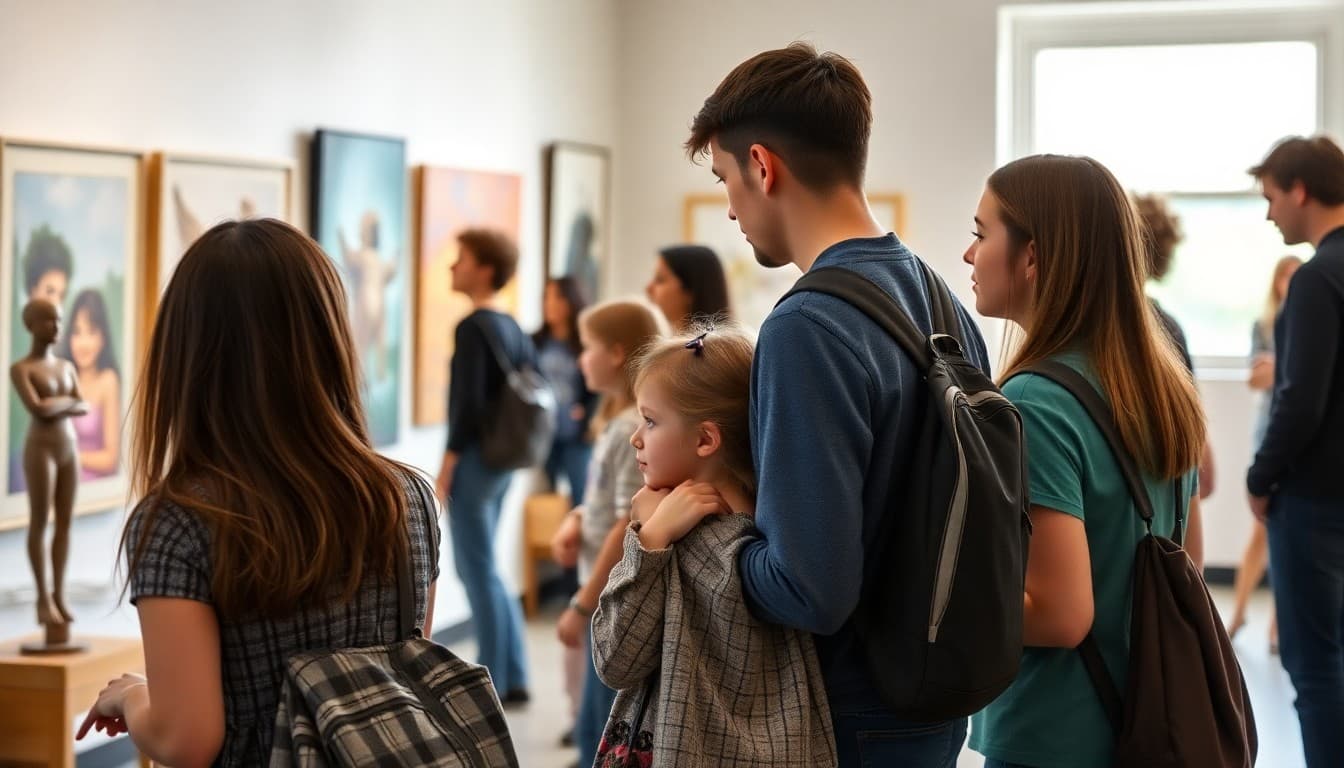
Open House Newsletter for Arts School Families
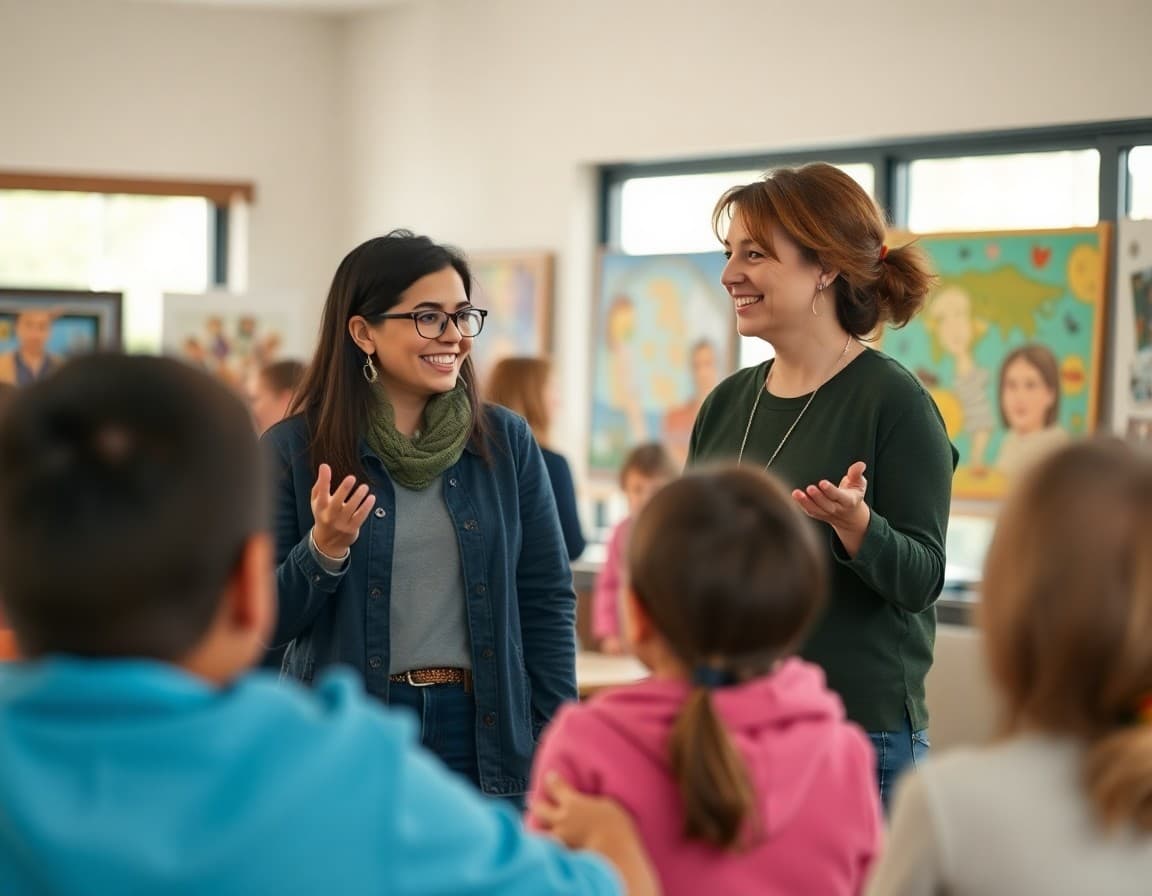
An arts school open house should feel different from any other school event. The studios should be alive, the hallways should show student work, and families should leave with a genuine sense of what their child is being taught to see, hear, and make. The newsletter that announces this event is the first experience families have of that difference, and it should deliver accordingly.
Making the Newsletter Itself Feel Like an Arts School Communication
The first thing families notice about an arts school open house newsletter is whether it looks like it came from a school that cares about presentation. A newsletter with a strong student photo on the front, specific language about what the evening offers, and a layout that does not look like a generic school template signals something about the school before a word is read.
This does not require professional design. It requires intentional choices: a high-quality photo of student work, a specific and evocative description of what families will experience, and writing that reflects the same attention to language that the school asks of its students. These choices are the newsletter equivalent of hanging the art before the gallery opens.
Previewing What Families Will Experience
Arts school open house events offer things that standard school open houses do not: active studios, instrument demonstrations, performance excerpts, student-led gallery tours, and access to creative spaces that most families have never entered. A newsletter that describes these specific experiences converts vague interest into genuine anticipation.
Do not save the details for the event itself. A family who reads that the jazz ensemble will play a 20-minute set at 7:00 PM, that the ceramics studio will be open for hands-on demonstrations, and that student paintings from the first-semester series will be displayed in the main gallery will arrive with excitement and intention rather than polite curiosity.
A Template Excerpt for an Arts School Open House Newsletter
Here is a section from a visual and performing arts high school in New York:
"Open House is Thursday, October 2 from 6:00 to 9:00 PM. Here is what you will find. At 6:30 and 7:30 PM, the chamber choir performs in the main auditorium, 20 minutes each set. The visual arts studios are open all evening: painting, printmaking, sculpture, photography, and film are all showing current student work. At 7:00 PM, students in the senior theater program present two monologue performances in the studio theater. Classroom sessions with teachers run from 6:15 to 7:15 PM by grade level, covering course goals and major productions and exhibitions for the year. The ceramics studio is offering hands-on demonstrations from 6:00 to 8:30 PM. Admission is free and open to current and prospective families."
The newsletter is a schedule and a preview simultaneously. Families who read it can plan their evening and arrive knowing what to expect.
Using Current Student Work to Drive Attendance
If student work is on display at open house, describing it in the newsletter is one of the most effective things you can do to increase attendance. Parents of the students whose work is showing will attend and bring others. Parents of students whose work is not currently on display will want to see what their child's work will look like by the time it is exhibited. A specific description of what is on display and who made it creates a pull that no amount of general promotion can match.
Covering Teacher Sessions and What Families Will Learn
Arts school teacher sessions at open house should cover more than logistics. Families who chose an arts school want to hear about the school's artistic philosophy, the progression of skills through the curriculum, and what the major creative experiences of the year will look like. A newsletter that previews these topics gives families a reason to attend the classroom sessions as well as the exhibitions and performances.
Coordinate with teachers to find out what they plan to discuss and summarize it briefly in the newsletter. "Mr. Watkins will walk through the visual arts sequence from 9th through 12th grade, showing examples of student work at each level and explaining how the program builds toward senior portfolio work" is a preview that makes a teacher session feel worth 25 minutes of a family's evening.
Connecting Open House to the Year's Events
Open house is the beginning of a year's worth of creative experiences that families can attend. A newsletter that connects the open house to the full calendar, listing the winter concert in December, the spring production in March, and the senior exhibition in May, gives families a sense of what they are part of when they attend this opening event. Open house is not just a logistics night. It is the beginning of a relationship with the school's creative life, and the newsletter should frame it as such.
Handling Prospective Families Alongside Current Ones
If your open house welcomes families who are considering the school for next year, the newsletter needs to serve both audiences. A brief section that explains the school's admissions process, audition requirements, and how prospective families can learn more, positioned at the end of the newsletter so it does not displace content for current families, ensures that the event serves its full purpose as both a community event and a recruitment opportunity.
Get one newsletter idea every week.
Free. For teachers. No spam.
Frequently asked questions
What should an arts school open house include beyond standard classroom visits?
Studio demonstrations, instrument try-ons, short performance excerpts, and exhibition previews are all natural elements of an arts school open house that a standard school event would not include. A newsletter that previews these experiences gives families a reason to attend that goes beyond meeting teachers. The school's distinctive creative environment should be visible and accessible at open house, and the newsletter is the first introduction to that experience.
How do I drive open house attendance at an arts school where families are already attending many performances?
Frame open house differently from performances. Where a concert or production is a finished product, open house is a chance to see the process: studios in use, students explaining their work, teachers discussing what they are building toward this year. Families who have attended performances may not realize that open house offers a completely different kind of access to the school's creative work.
Should the open house newsletter describe what is currently on display in studios and galleries?
Yes. A brief preview of what families will see when they walk through the door converts passive interest into genuine excitement. If student paintings from the summer intensive are on display, mention it. If the ceramics studio has a new kiln and students will be demonstrating it, say so. Specifics make the event feel worth attending in a way that generic invitations do not.
How do I handle open house for families who are considering the school for next year?
If your open house serves both current and prospective families, address both audiences briefly in the newsletter. For current families, preview new programs and what teachers will cover. For prospective families who may receive the newsletter, describe what makes the school distinctive and what they will see and experience at the event. A newsletter that reads well for both audiences serves as both an event invitation and a school introduction.
Can Daystage produce open house newsletters that match the visual quality arts schools expect?
Yes. Daystage supports newsletters with photos of student work, performance images, and studio spaces alongside the text content. For arts school communities where the visual quality of communication matters, a newsletter produced in Daystage can include multiple images and a clean layout that reflects the school's commitment to thoughtful presentation.

Adi Ackerman
Author
Adi Ackerman is a former classroom teacher and curriculum writer with 8 years in K-8 schools. She writes about school communication, parent engagement, and what actually works in real classrooms.
More for Arts & Music
Ready to send your first newsletter?
3 newsletters free. No credit card. First one ready in under 5 minutes.
Get started free