

School Play Newsletter: Performance Invitation and Details
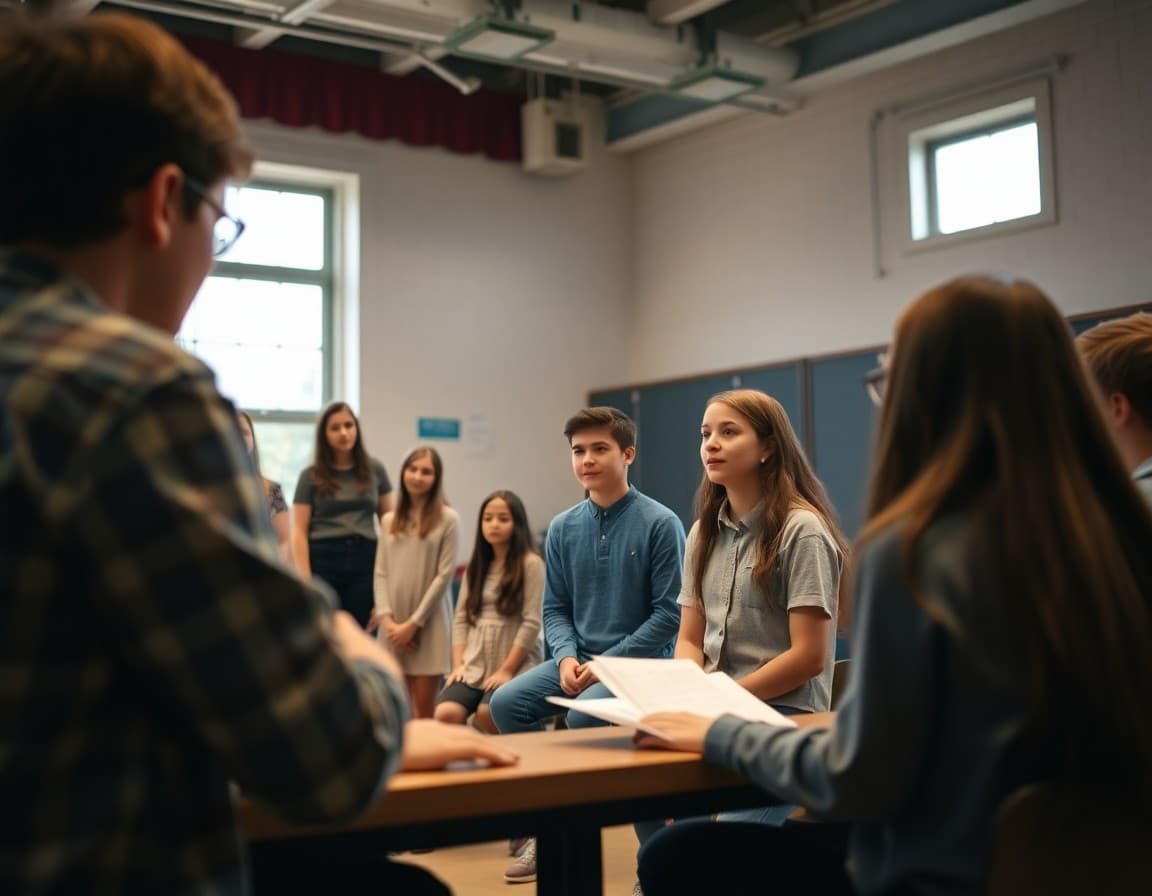
A school play newsletter has two audiences and two jobs. For general families, it is an invitation and a logistics guide. For cast families, it is a confirmation that the months of rehearsal are about to pay off in front of a live audience. The newsletter that handles both jobs well fills seats and sends students to opening night feeling celebrated.
Cover the basics families need to plan
Show title, dates, times, location, ticket price and purchase link. If you have multiple performances, list all of them with the date and time of each. Families who cannot make Friday night will want to know whether Saturday afternoon is an option before they stop reading.
Running time matters more for theater than many other events. A two-hour production with an intermission on a school night requires planning. Say "approximately 90 minutes with one 10-minute intermission" and families can make the logistics work. Say nothing and some families will not come.
Give cast families a separate logistics section
The call time for student performers is different from the audience arrival time, and cast families need both. A line like "Cast members should arrive at the stage door on the south side of the building by 5:30 p.m. Audience members may enter through the main lobby beginning at 6:45 p.m." prevents the confusion of cast families trying to enter through the audience line or general families arriving early and wandering backstage.
Include costume instructions in this section: whether costumes come home before the show, whether students should arrive in costume or change at school, and where any borrowed items need to be returned after the final performance.
Tell the story of the production process
Families who know that the cast rehearsed 22 times, that the set was built from donated lumber by three parent volunteers, and that the student playing the lead memorized 340 lines attend the show differently. They watch with appreciation for the work behind what they are seeing.
Ask the director for two or three facts from the production process. How many students auditioned? How long has the set build been going? Is this the school's first full musical, or the 15th annual production? Those details belong in the invitation newsletter.
State the ticket policy clearly
If tickets are sold in advance and the show is likely to sell out, say so. Schools that wait until the week of the show to communicate about ticket availability end up with disappointed families and empty seats because the people who wanted to come assumed they could just show up. If there are reserved versus general admission sections, describe the difference and whether the price changes.
Template: school play invitation opening
Here is a starting template for the invitation:
"Washington Middle School presents 'Into the Woods Jr.' on Friday, March 7 at 7:00 p.m. and Saturday, March 8 at 2:00 p.m. in the school auditorium. Tickets are $8 for adults and $5 for students and can be purchased at the front office or online at [link]. Running time is approximately 85 minutes with one intermission. Cast members should arrive at the stage entrance by 5:45 p.m. on Friday and 12:45 p.m. on Saturday. The cast of 31 students has been rehearsing since November and we cannot wait to share what they have built."
Acknowledge the full production team
The drama teacher and any assistant directors. The set designers and builders. The costume coordinator. The student stage managers and light board operators. The parent who ran concessions. Naming these people in the newsletter before opening night raises their status in the community and gives students a model for how a large team effort is recognized.
Send a recap that goes beyond "it was amazing"
The post-show recap is where you cement the memory. Avoid vague praise and go specific: "Standing ovations at both performances. The Sunday matinee sold out. Director Ms. Ortiz said the cast delivered their best work in the final run." Name a few standout performances if you can do so without leaving others out entirely.
If the production raised money for the drama program or a specific cause, report the total. If the show drew attendance from multiple schools or the district, mention it. Numbers anchor pride in reality and make the recap feel like news rather than cheerleading.
Extend the conversation to next year
The recap newsletter is a natural place to mention when auditions for next year's production will be held, especially if the school wants younger students to start thinking about participating. A sentence like "if your student is interested in joining the drama program, look for information about next fall's auditions in September" plants a seed without pressure and keeps the program front of mind through the summer.
Get one newsletter idea every week.
Free. For teachers. No spam.
Frequently asked questions
What logistics should a school play newsletter cover?
Include the show dates and times (especially if there are multiple performances), the venue, ticket prices and where to purchase them, and the approximate running time. For cast families, list the call time separately from the public arrival time, costume pickup instructions, and any backstage policies. If children under a certain age may find the show too long or the content too intense, mention that clearly.
How do you build excitement without overpromising in a school play newsletter?
Focus on specific details from the rehearsal process rather than generic claims about how talented the cast is. Mention the number of rehearsals, a specific staging challenge the director solved, or a student who surprised everyone with their comedic timing. Concrete details create anticipation. Superlatives do not.
Should the school play newsletter mention the director and crew?
Yes. The drama teacher, the set design volunteer, the parent who sewed 47 costumes, the student stage managers running the light board. Theater is a collaborative art and the newsletter is a good place to recognize the full team before opening night. It also models for students that every role in the production has value.
What should the post-show recap newsletter include?
Name the production, mention attendance or number of performances, include a brief director quote, and highlight one or two moments that stood out. If you have production photos, this is the best use of them. The recap also serves families who attended a different performance than their friends and want to hear about the weekend as a whole.
Can Daystage handle multi-show scheduling for theater newsletters?
Yes. You can create separate newsletters for the invitation, the opening night reminder, and the closing weekend recap, and send each to the same family list. The event block in Daystage lets you include the full performance schedule with dates and times so families can choose which show to attend.

Adi Ackerman
Author
Adi Ackerman is a former classroom teacher and curriculum writer with 8 years in K-8 schools. She writes about school communication, parent engagement, and what actually works in real classrooms.
More for School Events
Anti-Bullying Day Newsletter: Communicating Your School's Commitment to Kindness
School Events · 6 min read
Back-to-School Picnic Newsletter: Building Community Before the First Bell
School Events · 5 min read
Career Day Newsletter: Communicating Before, During, and After the Event
School Events · 6 min read
Ready to send your first newsletter?
3 newsletters free. No credit card. First one ready in under 5 minutes.
Get started free