

Music Teacher Newsletter Guide: Keeping Families Connected to the Music Program
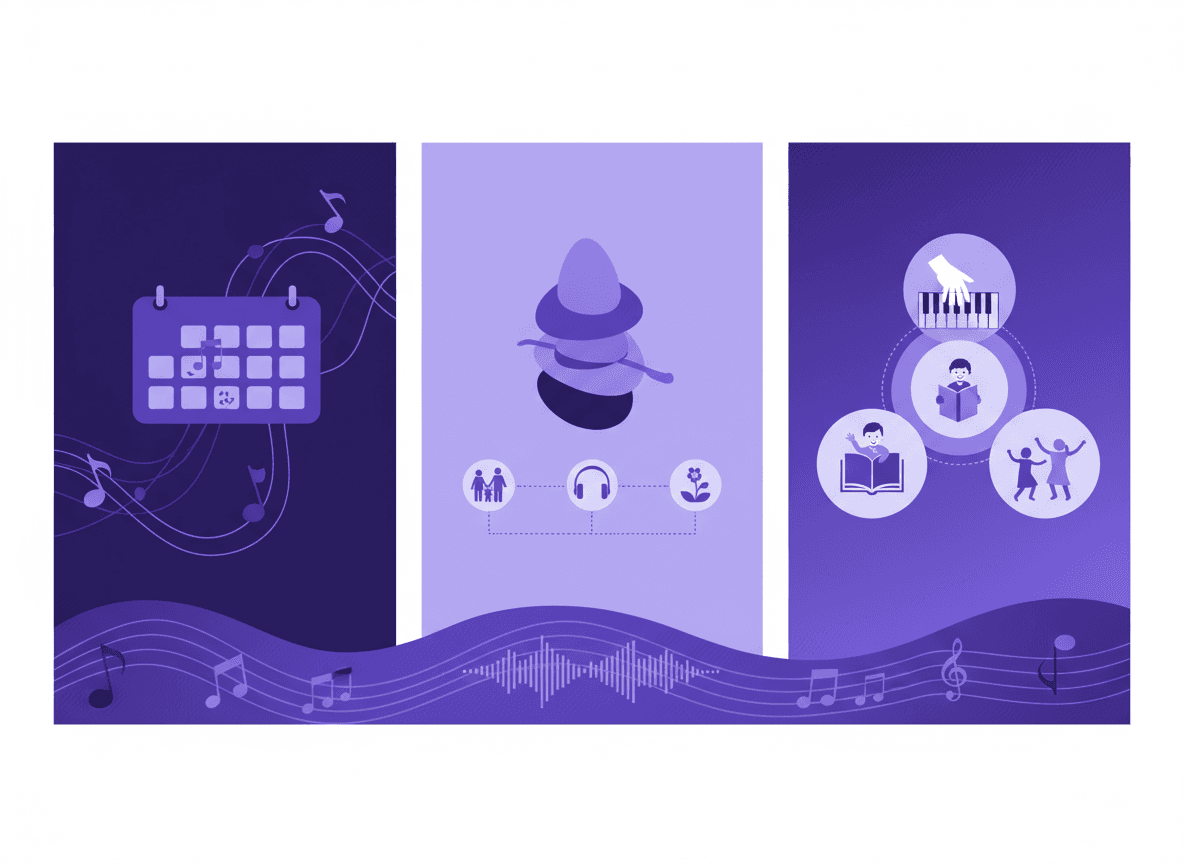
Music programs depend on family support in ways most other subjects do not. Parents drive to evening rehearsals, fund instrument rentals, show up to concerts, and sign permission slips for festival travel. A music teacher who does not communicate consistently is leaving that support to chance.
A well-run music newsletter does two things at once: it keeps families informed about logistics and it builds genuine appreciation for what students are learning. Both matter. Neither happens without intentional communication.
The difference between a logistics email and a music newsletter
Most music teachers communicate. But most of what they send is logistics: concert dates, rehearsal schedules, what to wear, where to park. That information is necessary, but it does not build the community support that keeps music programs funded and families engaged.
A music newsletter includes logistics but also includes learning. What are students working on this month? What skills is the ensemble developing? What piece are they preparing and why did you choose it? Those details transform families from parking-lot logistics participants into actual supporters of the program.
How often to send a music newsletter
Monthly newsletters work for most music programs. Supplement the monthly newsletter with one-off logistics emails when you have a concert, festival, or scheduling change. Keep them separate so families know whether they are reading general program news or something that requires action.
For band, choir, and orchestra directors, consider sending a slightly more frequent newsletter in the weeks before a major performance, maybe bi-weekly in the month leading up to a concert. Families who follow the preparation process are more invested in the performance and more likely to attend.
What to include in a music program newsletter
- What repertoire students are learning and why. Name the pieces you are working on. Include a sentence about the style, era, or technique each piece develops. "We are preparing Holst's 'Jupiter' for the winter concert. It is a rich orchestral piece that challenges our string section on shifting and dynamics." Families who know what their child is playing become more interested listeners at the concert.
- What technical skills are in focus. Music instruction covers technique, theory, sight-reading, ensemble listening, and expression. Tell families which skill you are emphasizing this month. "We are spending focused time this month on intonation, meaning matching pitch precisely with other players. It is one of the hardest ensemble skills and one of the most rewarding when it clicks." That kind of transparency helps parents understand what their child means when they say "we worked on tuning today."
- Practice guidance for home. If students are expected to practice at home, tell families what effective practice looks like. "Ten minutes of focused, slow practice on the hard passage beats thirty minutes of playing through the whole piece at speed." Parents who understand this can encourage better habits and feel less helpless when their child practices.
- Upcoming performances, rehearsals, and logistics. Concert dates, call times, dress code, where families should sit: include all of it, well in advance. Families with multiple children and complicated schedules need as much lead time as possible. Three weeks notice is the minimum for evening events. Six weeks is better.
- Equipment or material needs. Instrument maintenance, replacement reeds, new strings, a specific method book: if students need something, the newsletter is the place to communicate it clearly. Include a cost estimate and a deadline so families can plan.
Building appreciation for the music program
Music programs are often underfunded because the people making budget decisions do not have children in the program or do not understand its value. Your newsletter is community building work, not just family communication.
Write in a way that communicates passion for what you teach. Not in a performative way, but in the specific way that someone who loves their subject writes about it. "We spent the last two weeks figuring out one really hard transition in the first movement. This week, it finally happened. The whole ensemble landed it together." That sentence tells families that music education is rigorous, iterative, and joyful. No grant application says it better.
General music vs. ensemble newsletters
General music teachers face a different challenge than ensemble directors. There is no concert to build toward, no instrument the family can hear being practiced at home. General music newsletters need to work harder to show families what is happening.
Focus on musical concepts students are exploring: rhythm, melody, harmony, form. Connect to music families know. "We have been studying musical form by listening to pop songs and classical pieces and finding the patterns in both." That kind of connection makes general music feel relevant to families who might otherwise see it as background noise.
Using Daystage to manage music program communication
Music teachers often have multiple classes, multiple grade levels, and multiple ensembles. Managing separate email lists and building newsletters from scratch each month is a real time burden.
Daystage lets you build and send newsletters for each ensemble or grade level from one place. Set up subscriber lists for each group, draft the newsletter in blocks, and send. The event block works especially well for concert dates: it stands out visually and makes sure the date does not get buried in text. Open rate data helps you see whether families actually received the concert notice before the day of.
The families who feel included become your program's biggest advocates
When a budget meeting comes around, the music program's best advocates are parents who felt included all year. Not parents who only heard from you when they needed to show up for something, but parents who read about what their child was learning, felt excited about the concert because they followed the preparation, and told other families that the music program was something special.
That community does not form without consistent communication. Your newsletter is how it forms.
Get one newsletter idea every week.
Free. For teachers. No spam.
Frequently asked questions
When should music teachers send newsletters to parents?
Monthly is the baseline for most music programs, with one-off logistics emails when concerts, festivals, or schedule changes require action. In the month leading up to a major performance, shift to bi-weekly so families can follow the preparation process and are invested in showing up.
What should a music teacher newsletter include?
Cover what repertoire students are learning and why you chose it, which technical skill is in focus this month (intonation, dynamics, sight-reading), specific home practice guidance, and all concert logistics: dates, call times, dress code, and ticketing details. Including the reasoning behind piece selection transforms families from logistics participants into genuine program supporters.
How often should music teachers communicate with parents by newsletter?
Monthly for general program news, bi-weekly in the four weeks before a major performance. Keep logistics emails separate from the program newsletter so families always know whether they are reading general news or something that requires action right now.
What are common mistakes music teachers make in parent newsletters?
Sending only logistics is the biggest mistake: concert dates and call times alone do not build community support. A second mistake is describing repertoire without explaining what skill it develops, which misses the opportunity to show families that ensemble rehearsal is rigorous, iterative work, not just run-throughs.
What tool helps music teachers manage communication across multiple ensembles?
Daystage lets you build and send newsletters for each ensemble or grade level from one place with separate subscriber lists. The event block makes concert dates stand out visually so they do not get buried in text, and open rate data shows whether families actually received the performance notice before the day of.

Adi Ackerman
Author
Adi Ackerman is a former classroom teacher and curriculum writer with 8 years in K-8 schools. She writes about school communication, parent engagement, and what actually works in real classrooms.
More for Subject Teachers
Cheer and Dance Coach Newsletter: Communicating Season Events, Expectations, and Team Updates to Families
Subject Teachers · 6 min read
Instructional Coach Newsletter Guide: Communicating Professional Learning to Staff and Families
Subject Teachers · 7 min read
School Garden Teacher Newsletter: Communicating Seasonal Activities, Curriculum Connections, and Harvest Events
Subject Teachers · 6 min read
Ready to send your first newsletter?
3 newsletters free. No credit card. First one ready in under 5 minutes.
Get started free