
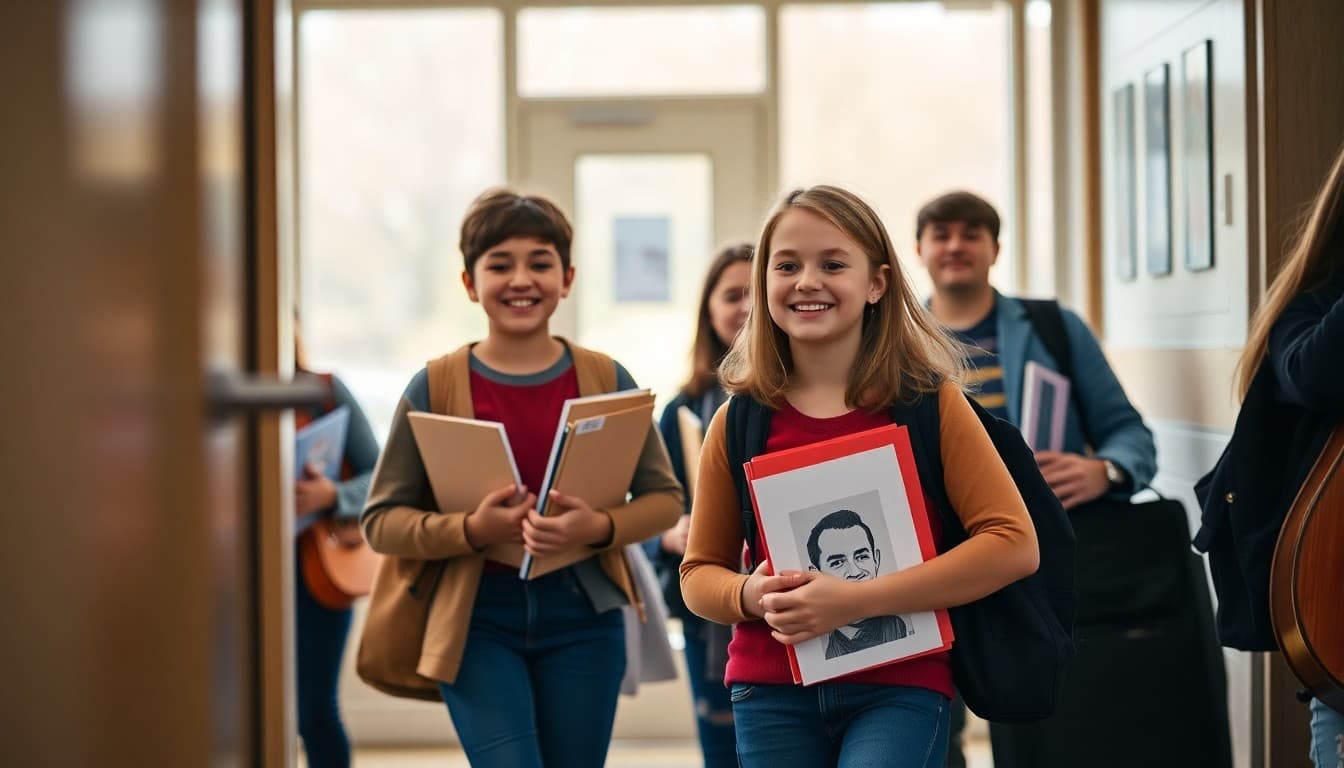
Back to School Newsletter for Arts School Families
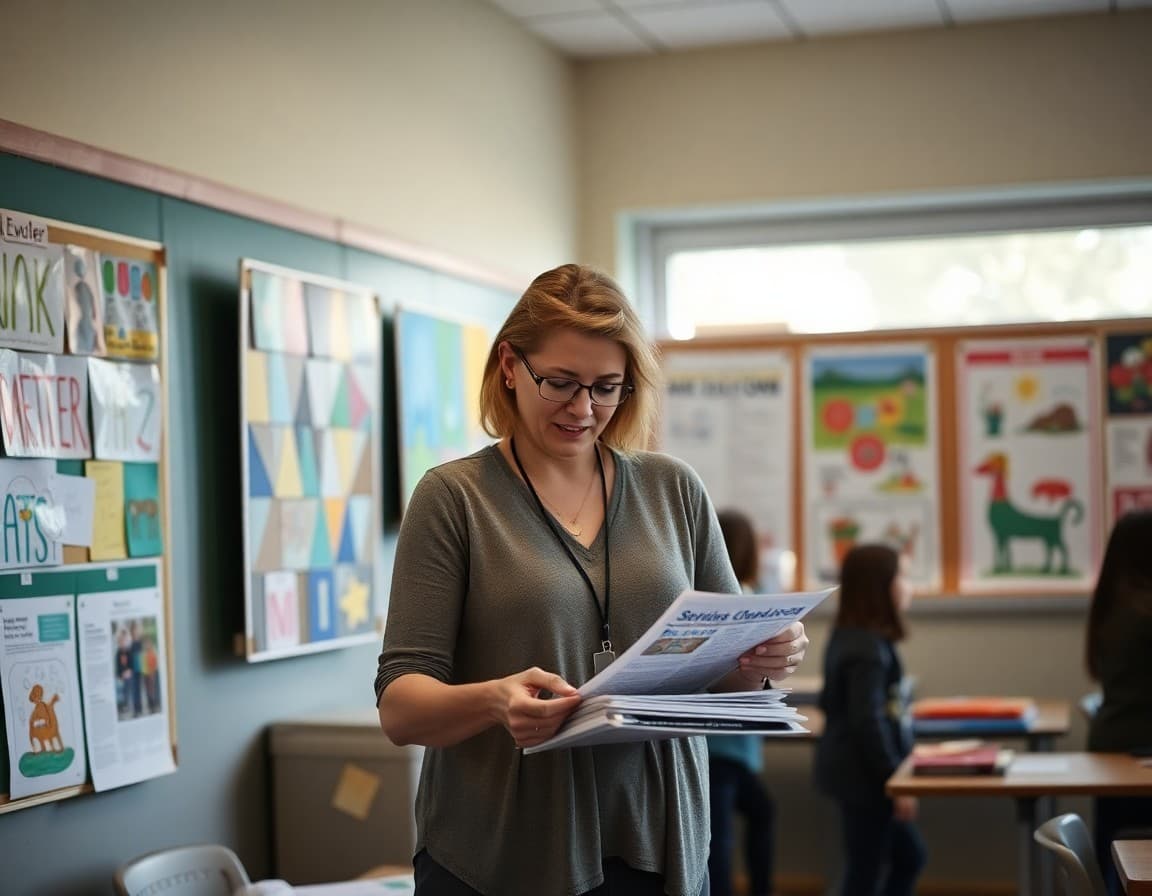
The back to school newsletter for an arts school is the first impression of the creative year ahead. Families who have been anticipating the fall production announcement, the new exhibition schedule, and news about the ensemble program are reading this newsletter with real attention. Give them something specific to be excited about.
Leading With What Makes the School Distinct
An arts school back to school newsletter that opens with general welcome language and supply lists has missed its first opportunity. The families reading this newsletter chose the school because of its programs, and those programs should be the first thing they read about. A brief section on the year's major creative events, new faculty additions, and any significant program developments belongs before the logistics, not buried at the end.
A sentence like "This fall, we are producing our first full opera in seven years, with a cast of 28 students from the vocal performance and piano programs, debuting in December" is more compelling than anything a generic template can provide. Name the specific event that defines this year as distinct from the last one.
The Audition and Placement Information Families Need
Arts school families plan around audition timelines in ways that general school families do not. A student who wants to audition for the winter chamber orchestra or the fall theater production needs to know the date, what to prepare, and how the process works well before September. A back to school newsletter that includes all of this information serves families who are already thinking ahead, which in an arts school community is most of them.
Include audition dates, repertoire or material requirements, where to sign up, and who to contact with questions. If the school uses a placement process rather than auditions for certain programs, explain how it works and what families should expect to hear and when.
A Template Excerpt for an Arts School Back to School Newsletter
Here is an opening section from a performing arts high school in Chicago:
"Welcome to the 2026-27 school year at Chicago Arts Academy. Here is what is ahead. Fall production: we are staging 'Sweeney Todd' in November with auditions beginning September 15. See the audition packet attached for repertoire requirements. Visual arts: three new studio spaces opened over summer, including a ceramics room with two kilns. Advanced students in the visual arts track will have a solo exhibition opportunity in March. Music: orchestra and jazz ensemble auditions are September 10 and 11. Wind ensemble placement is by audition packet submitted by September 5. New faculty: Mr. Adebayo joins us as our new dance faculty member, having performed with Alvin Ailey American Dance Theater for six years."
Every sentence names something specific. The newsletter is dense with real information because that is what arts school families expect from the first communication of the year.
Introducing New Faculty With Professional Backgrounds
Arts school teacher introductions carry specific weight because families chose the school partly based on the quality of instruction. A new faculty member's professional artistic practice is as relevant as their educational credentials. Name where teachers have performed, exhibited, published, or studied. Name the professional contexts they come from. This information tells families what students are getting when they walk into that classroom or studio.
Keep introductions brief but specific: name, discipline, key professional experience, and one thing they are looking forward to this year. Two to three sentences per teacher is enough for a newsletter introduction. The full bios can live on the school website.
New Studio Spaces, Equipment, and Program Additions
Arts schools that added studio capacity, new instruments, recording equipment, or new programs over summer should lead with this information in the back to school newsletter. These additions are often the result of fundraising, grant work, or facilities improvements that the community invested in. Naming them in the newsletter recognizes that investment and demonstrates that the school is developing. A photography lab with new equipment, a dance floor renovation, or a sound system upgrade in the performance space are all worth a specific mention.
The Season's Performance and Exhibition Calendar
Include a full list of major performances, exhibitions, and showcases for the year, or a link to the full calendar. Arts school families plan their own schedules around their child's performances, invite extended family, and make advance arrangements. An early look at the full calendar serves these families better than a performance-by-performance announcement that gives them three weeks notice for an event they wanted to attend with six family members.
Covering Logistics Alongside the Creative Content
Arts school logistics have some elements that general school back to school newsletters do not cover: instrument storage and checkout policies, studio safety protocols, dress code requirements for performances, material fees for studio courses, and transportation arrangements for off-campus performances and field experiences. A brief section that names these elements, with a note about where to find more detail, prevents the first week of school from being dominated by individual questions that could have been answered in advance.
Get one newsletter idea every week.
Free. For teachers. No spam.
Frequently asked questions
What should an arts school back to school newsletter include that a standard school newsletter would not?
A preview of this year's productions, exhibitions, and concerts with dates. Audition schedules and requirements for performance ensembles and theater productions. New faculty with their professional backgrounds as artists and performers. Any new studio spaces, instruments, or equipment added over summer. Certification or conservatory programs available to advanced students. Arts school families chose the school for these specific programs, and the back to school newsletter should lead with what makes the school distinctive.
How should an arts school introduce new teachers in the back to school newsletter?
Lead with the teacher's professional artistic practice, not just their educational credentials. A new theater director who has worked as a professional actor and director, a music teacher who performs with a chamber ensemble, or a visual arts faculty member whose work has been exhibited in galleries brings professional credibility that matters to arts school families. Name these backgrounds specifically because they are part of why families trust the school to take their child's artistic development seriously.
When should audition information appear in the back to school newsletter?
As early as possible. Arts school students and families plan around audition timelines. If fall auditions for the winter production begin in late September, families need that information in the back to school newsletter so they can prepare. Include the audition date, what students should prepare, where to sign up, and who to contact with questions. Vague references to 'upcoming auditions' do not help families plan.
How do I convey excitement for the year without relying on empty superlatives?
Name one specific thing that is genuinely new or different about this year. A first-time collaboration with a local professional theater company. A new photography darkroom. A student-led gallery that launched last year and will expand this year. One concrete, specific development is more exciting to read than a paragraph of general enthusiasm. Specifics convey excitement. Adjectives do not.
What platform works well for back to school newsletters at arts schools?
Daystage is a strong option because it supports visual newsletters with student artwork and performance photos alongside text content. For arts school communities where the quality of presentation reflects on the school's values, a visually polished newsletter builds credibility from the first communication of the year.

Adi Ackerman
Author
Adi Ackerman is a former classroom teacher and curriculum writer with 8 years in K-8 schools. She writes about school communication, parent engagement, and what actually works in real classrooms.
More for Arts & Music
Ready to send your first newsletter?
3 newsletters free. No credit card. First one ready in under 5 minutes.
Get started free