
Superintendent Newsletter: Our Energy Savings Initiative and Progress
Energy savings in a school district are not just a sustainability story. They are a fiscal story and a values story. The district that actively manages its utility costs and reinvests the savings into classrooms demonstrates the kind of stewardship that builds community trust. The district that brings students and families into the sustainability work creates a learning experience that no textbook can replicate. The superintendent who communicates this clearly connects a facilities decision to something much larger.
Start With the Savings and What They Are Buying
Open with the financial result first. "Our energy efficiency initiative has reduced utility costs by $340,000 over the past two years. We have reinvested those savings into classroom technology, instructional materials, and two additional teacher positions." That framing immediately connects the energy work to something families care about directly. The sustainability benefits, the investment details, and the timeline all follow from that opening anchor.
Describe the Investments Made
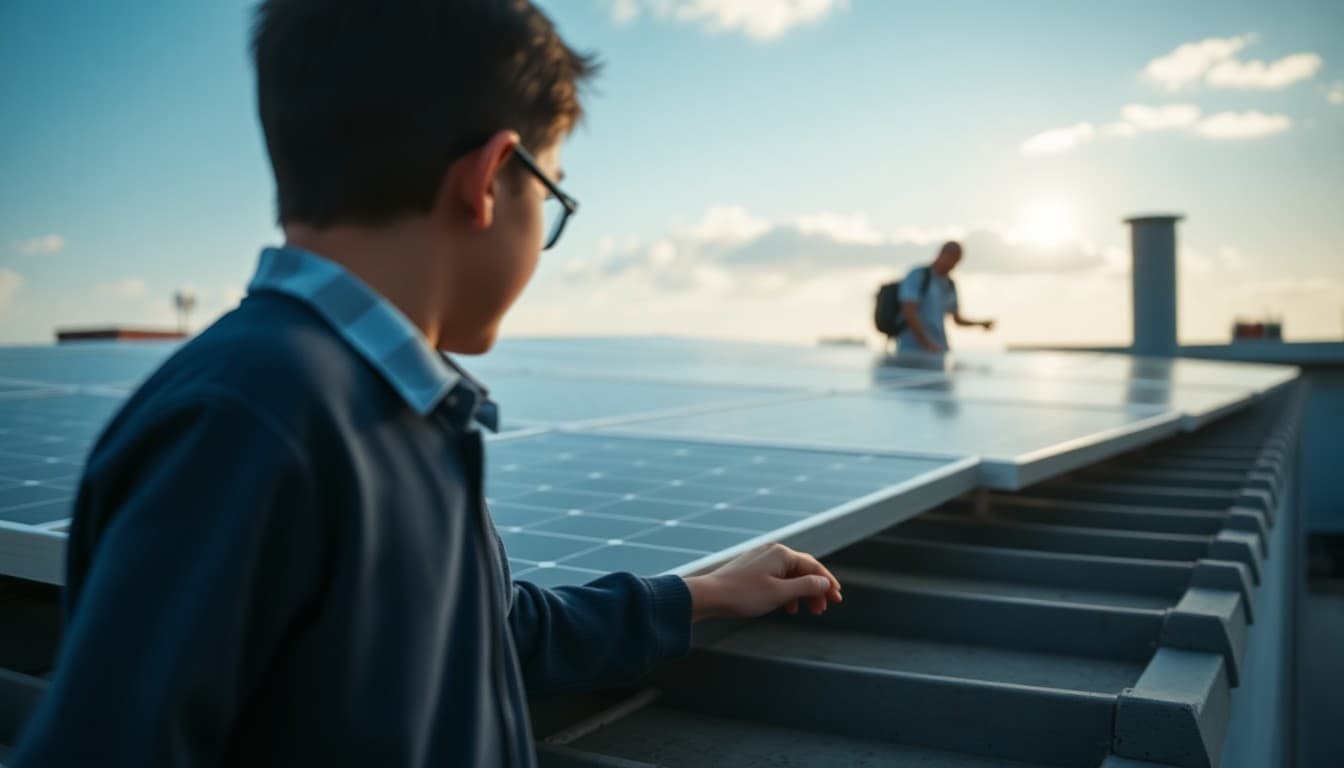
Name the specific improvements installed across the district. LED lighting retrofits in all classrooms and common areas, upgraded building management systems that reduce heating and cooling when buildings are unoccupied, solar installations on three campuses, weatherization and insulation improvements at older buildings. Each specific improvement tells families that the savings are the result of real capital investments, not just behavioral changes.
Report the Environmental Impact in Accessible Terms
Translate the energy reduction into terms the community can picture. "Our improvements have reduced district carbon emissions by 480 metric tons per year, the equivalent of removing 104 cars from the road or planting 7,900 trees." Those equivalencies make an abstract metric real. Families who see the environmental impact described in familiar terms understand the initiative as something meaningful beyond the utility bill.
Explain How Savings Are Being Reinvested
This is the section that makes the initiative relevant to every family regardless of whether they prioritize sustainability. Tell families exactly where the savings are going. If they funded a new outdoor learning space, a technology upgrade, or additional instructional staff, name those investments. The connection between reduced utility costs and improved educational resources is the most persuasive message in the entire newsletter for families who are skeptical of green initiatives as a district priority.
A Sample Energy Savings Progress Paragraph
Here is language that covers the results clearly:
Over the past three years, our district has invested $1.2 million in energy efficiency upgrades, including LED lighting in all 22 buildings, new building automation systems at 14 campuses, and a 280-kilowatt solar installation at the high school and two elementary schools. Annual utility costs have dropped from $2.4 million to $1.9 million, saving the district $500,000 per year. At the current rate, the investments will pay for themselves in 2.4 years. The savings have funded 12 classroom technology carts, updated science lab equipment at both middle schools, and one additional counselor position. The solar installations alone offset 320,000 kilowatt-hours of electricity per year, reducing our carbon footprint by 225 metric tons annually. We will continue upgrading the remaining eight buildings over the next two years through a combination of bond funds and operational savings.
Engage Students in the Sustainability Work
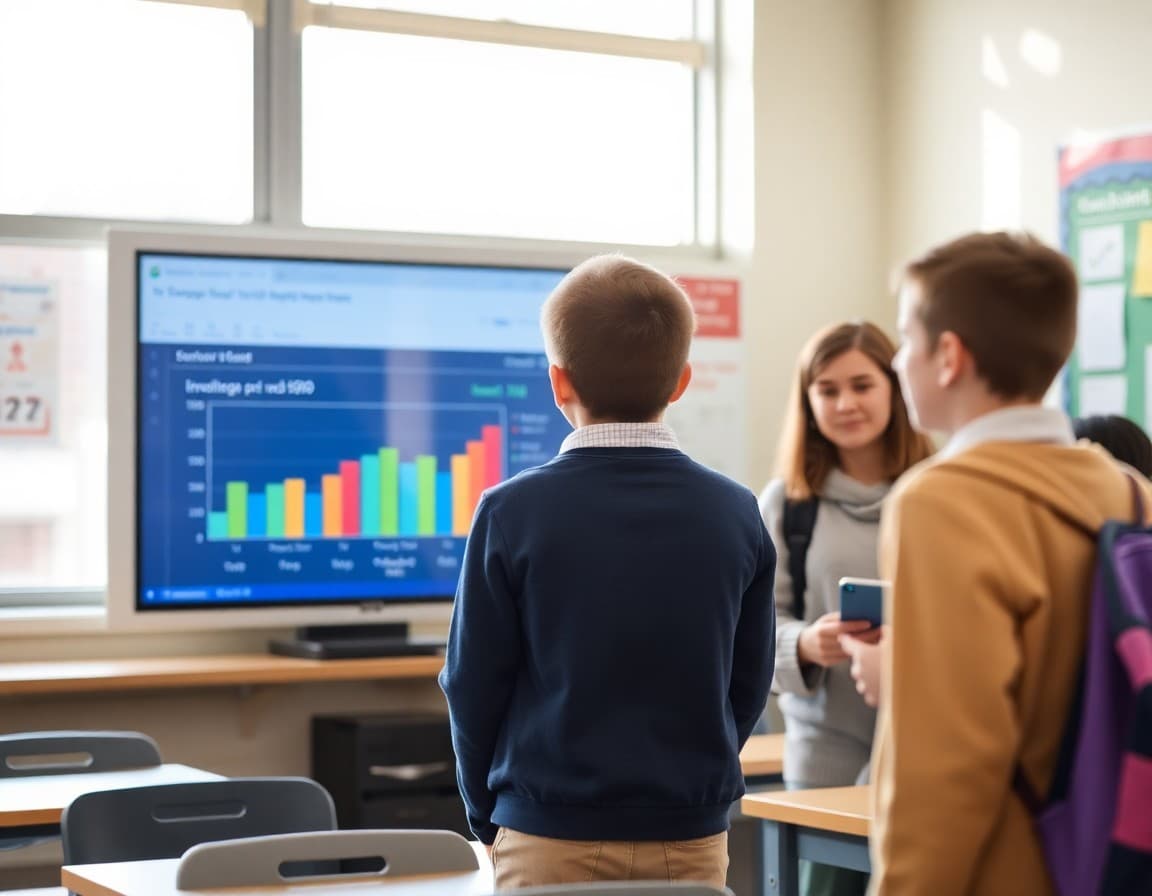
Many districts involve students in energy conservation through classroom programs, student-led energy audits, or Green Team clubs. If your district does this, describe it and acknowledge the students who are participating. Student-led sustainability work turns an administrative initiative into a learning experience that families value and support. The student who conducts an energy audit of their school becomes the family's most enthusiastic communicator about why the initiative matters.
Tell Families What They Can Do at Home
Include one or two ways families can extend the sustainability work into their home. Not as a lecture but as an invitation. "If your family is interested in energy savings at home, our district's Green Schools page has a link to our county utility's free home energy audit program." That kind of practical resource connects the district's initiative to something families can act on personally, which deepens engagement beyond passive newsletter reading.
Name the Long-Term Goal
Close by stating the district's energy and sustainability goal for the next five years. Whether it is carbon neutrality by a specific date, solar on all buildings, or a specific percentage reduction in utility costs, a stated long-term goal makes the current progress meaningful in the context of something larger. Families who see a clear direction for the work are more confident that the initiative is strategic rather than opportunistic, and they are more willing to support the investments required to get there.
Get one newsletter idea every week.
Free. For teachers. No spam.
Frequently asked questions
Why should a superintendent communicate about energy savings in a school newsletter?
Energy savings are both a fiscal responsibility communication and a community values communication. Families who see that the district is actively managing its utility costs trust the district's fiscal management more broadly. Families who care about environmental sustainability see a district that shares their values. And students who learn about sustainability in a school context that practices it develop a richer understanding of the issue than those who study it abstractly.
What should an energy savings initiative newsletter include?
The specific investments made (LED lighting, HVAC upgrades, solar installations, behavioral programs), the projected and actual savings achieved, how those savings are being reinvested, the environmental impact in terms the community can picture (carbon reduction, equivalent trees planted, or car trips avoided), and how students and families can contribute to the effort.
How do you connect energy savings to educational priorities for families who may not care about sustainability?
Translate the savings into direct educational reinvestment. Every dollar saved on utility costs is a dollar available for classroom resources, teacher salaries, or student programs. That translation makes the energy savings initiative relevant to every family regardless of their environmental priorities.
How do you handle the upfront cost of energy investments when explaining them to skeptical community members?
Present the payback timeline clearly. If a $400,000 solar installation saves $80,000 per year in utility costs, the payback period is five years and the investment returns net savings for 20 years after that. Most community members who understand a specific payback timeline evaluate the investment as prudent stewardship rather than extravagant spending.
What platform works for sharing energy savings progress with all district families?
Daystage is ideal for this kind of formatted progress update. You can include savings charts, before-and-after utility cost comparisons, and a visual of the carbon reduction impact all in a newsletter sent to every family in the district at once.

Adi Ackerman
Author
Adi Ackerman is a former classroom teacher and curriculum writer with 8 years in K-8 schools. She writes about school communication, parent engagement, and what actually works in real classrooms.
More for Superintendent
Ready to send your first newsletter?
3 newsletters free. No credit card. First one ready in under 5 minutes.
Get started free