
Superintendent Newsletter: Bond Measure Progress Update for Families
A bond measure passes on a promise. The superintendent's job after the election is to show voters that the promise is being kept. Bond progress newsletters are not a communications nice-to-have. They are an accountability obligation. Voters who approved the tax increase deserve regular, transparent reporting on where the money is going and whether projects are on track. Delivering that builds the kind of community trust that makes future bond measures possible.
Open With the Spending Snapshot
Start the newsletter with a simple summary: total bond authorization, amount spent to date, amount encumbered in active contracts, and amount remaining. This single paragraph orients every reader before they get to individual project details. It also signals that the district tracks this closely, which is itself a trust signal. Voters who feel confident that leadership has a clear picture of the numbers are less likely to worry about mismanagement.
Report Completed Projects With Specifics
For each project completed since the last update, name the school, describe what was built or renovated, the final cost, and whether it came in under, at, or over the original estimate. If a project came in under budget, say where those savings are going. "The Jefferson Elementary roof replacement came in $48,000 under estimate. Those funds will roll into the Madison gymnasium project." Specific accounting like this demonstrates that no money is being quietly redirected.
Update Projects Currently in Progress
For active projects, give families the current status, the expected completion date, and any changes to the original timeline or cost. A table format works well for this section: school name, project description, original estimate, current projected cost, and expected completion. This format is easy to scan and gives the oversight committee exactly the documentation they need for their own records.
Address Any Changes to the Original Project List
Sometimes projects must change. A building inspection reveals an additional problem. Material costs shift significantly. A community priority changes. When a project is added, removed, or significantly modified from what voters approved, explain why. The oversight committee should have reviewed the change first, and you should note that in the newsletter. Changes that happen with transparent explanation are accepted. Changes that show up silently create suspicion about whether the bond is being managed faithfully.
A Sample Progress Summary Paragraph
Here is language that covers the financial snapshot effectively:
As of March, the district has spent $31.4 million of the $124 million bond authorized by voters in November 2022. Six projects are complete, including new roofing at Jefferson, Madison, and Riverside Elementary Schools. Eight projects are currently active, with work underway at both high schools and three middle schools. The remaining $92.6 million covers 14 projects not yet started. The citizens oversight committee reviewed all expenditures at its February meeting. Their full report is available at our bond program website.
Include Photos of Work in Progress
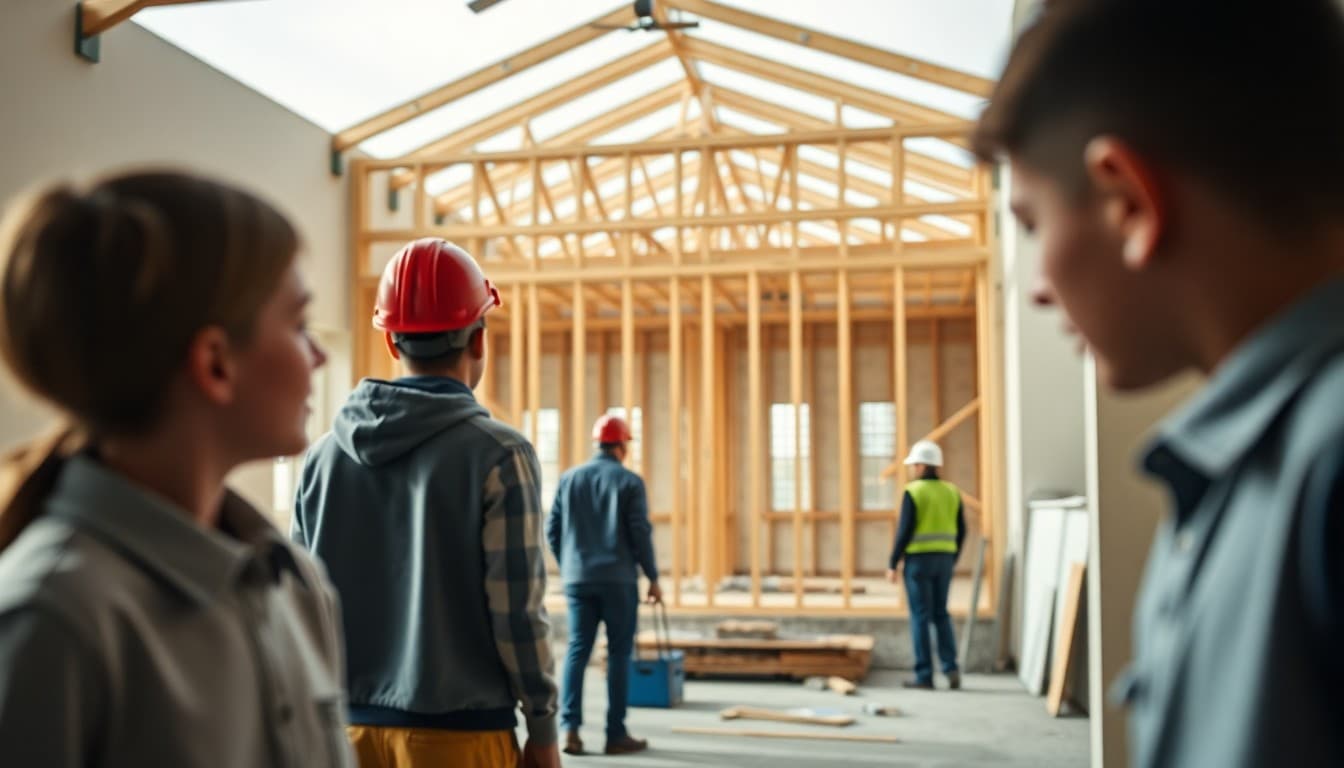
Nothing communicates progress like a photo. A before-and-after image of a remodeled cafeteria or a photo of a new gymnasium frame going up is worth more than three paragraphs of project description. Include one or two photos in each progress newsletter and caption them clearly with the school name, the project, and the completion timeline. Families who drive past a construction site every day connect immediately when they see it referenced in the newsletter.
Reference the Oversight Committee's Role
The citizens oversight committee is a legal requirement and a community trust structure. Name them in every progress newsletter. Tell families when the committee last met, what they reviewed, and where their report is published. Some superintendents treat the oversight committee as a compliance checkbox. Treating them as a genuine accountability partner and communicating that to the community signals that the district welcomes scrutiny rather than tolerates it.
Close With the Next Milestone
End each bond update with the next major milestone: when the next project begins, when the largest project is expected to complete, or when the oversight committee will meet again. This keeps the bond narrative moving forward. Families who know what to expect next stay engaged rather than wondering whether the project has stalled or whether the district has stopped communicating about it.
Get one newsletter idea every week.
Free. For teachers. No spam.
Frequently asked questions
How often should a superintendent send bond progress updates?
Semi-annual updates are the minimum. Annual updates are acceptable for long multi-year bonds if projects move slowly. The key is consistency. Voters who approved the bond should hear about progress on a predictable schedule, not only when the district has good news to share.
What should a bond progress newsletter include?
Spending to date versus total bond authorization, a list of completed projects, a list of projects currently in progress with expected completion dates, any projects not yet started and when they will begin, and any changes to the original project list with explanation. Voters can accept cost changes or timeline shifts when they are explained clearly. What they cannot accept is silence.
How do you communicate a cost overrun in a bond progress newsletter?
Report it directly. Name the project, the original cost estimate, the current projected cost, and what drove the increase. Then explain how the district is managing the impact: whether other projects are being adjusted, whether reserves are covering the difference, or whether the oversight committee has reviewed and approved the change. Transparency on overruns protects trust more than softening the news.
Should bond progress updates include photos of construction?
Yes. Photos of work in progress are among the most engaging elements of a bond progress newsletter. Families and voters want to see the school buildings changing. A photo of scaffolding on a school roof or a new gymnasium taking shape turns an abstract financial update into something visible and real.
What platform works well for sharing bond progress photos and project status updates?
Daystage is built for visually rich, district-wide newsletters. You can include project photos, tables showing spending progress, and links to the full bond oversight committee report, all in a formatted newsletter that goes to every school family in the district.

Adi Ackerman
Author
Adi Ackerman is a former classroom teacher and curriculum writer with 8 years in K-8 schools. She writes about school communication, parent engagement, and what actually works in real classrooms.
More for Superintendent
Ready to send your first newsletter?
3 newsletters free. No credit card. First one ready in under 5 minutes.
Get started free