
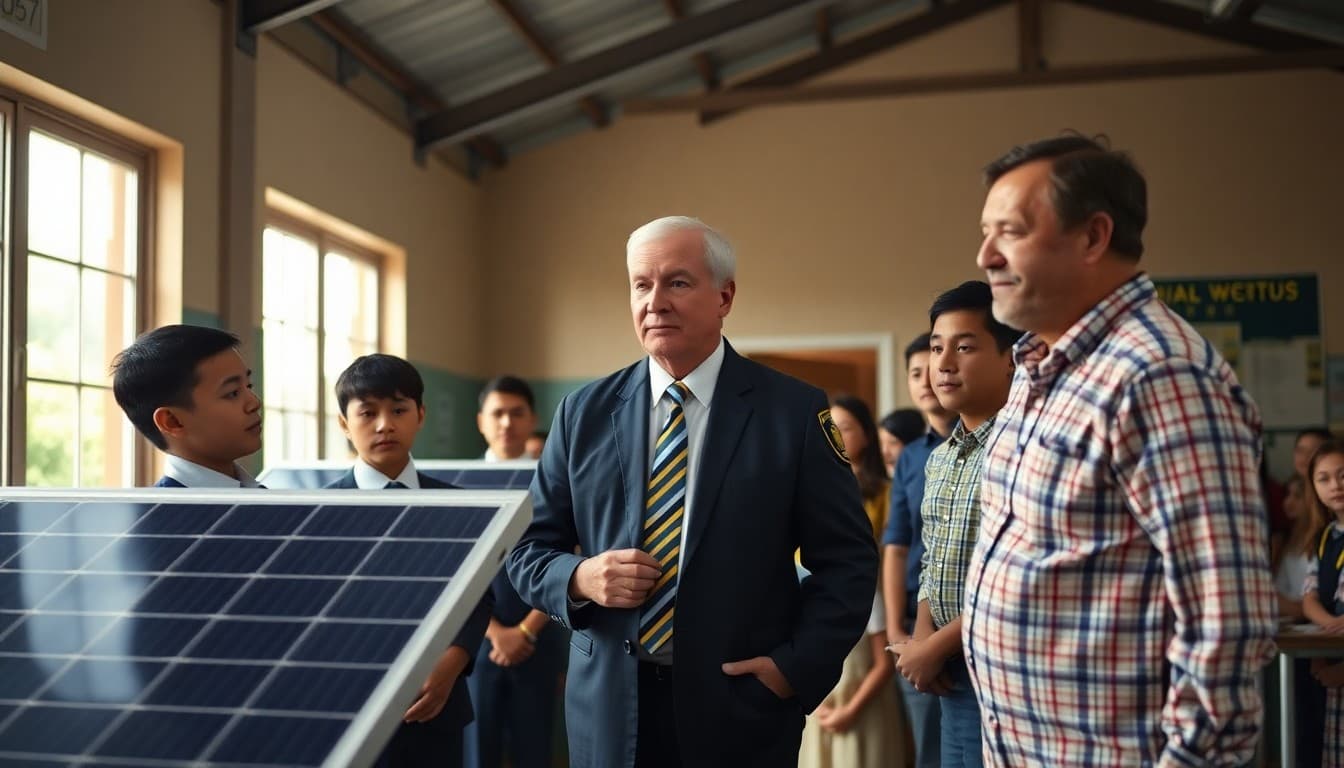
Superintendent Climate Goals Newsletter: Green Schools Initiative
Climate and sustainability newsletters are among the more politically sensitive communications a superintendent sends. Some families are deeply invested in the topic. Others are skeptical of the spending or the framing. Writing one that works for both groups requires the same thing every good superintendent newsletter requires: specifics, honest tradeoffs, and a clear reason to trust what you are saying.
Lead with the Operational Case
Before you talk about the environment, talk about the buildings. "Our district spent $2.3 million on energy costs last year. Our sustainability plan, if fully implemented, would reduce that by 40% over 10 years. That is $920,000 that stays in classrooms instead of utility bills." Starting with operational and financial specifics earns credibility with readers who are skeptical of environmental messaging and still delivers the full picture.
Name Your Specific Goals and Timeline
Vague goals like "becoming a greener district" are not goals. Specific goals are: "reduce electricity use by 25% by 2028," "install solar panels at 8 of our 14 schools by 2027," or "divert 60% of campus waste from landfill by 2026." Each goal should have a baseline, a target, and a date. When your next newsletter reports back, families will know whether you hit the mark.
Explain the Funding Source
Families need to know whether sustainability investments come from the general fund, a grant, a bond, or a state program. "This project is funded entirely by a $1.2 million EPA Clean School Bus grant. No general fund money is being used." Or: "The solar installation is financed through a power purchase agreement. The district pays nothing upfront and begins saving on day one." Funding details are not technical footnotes; they are the answer to the first question skeptical families will ask.
Connect the Initiative to Student Learning
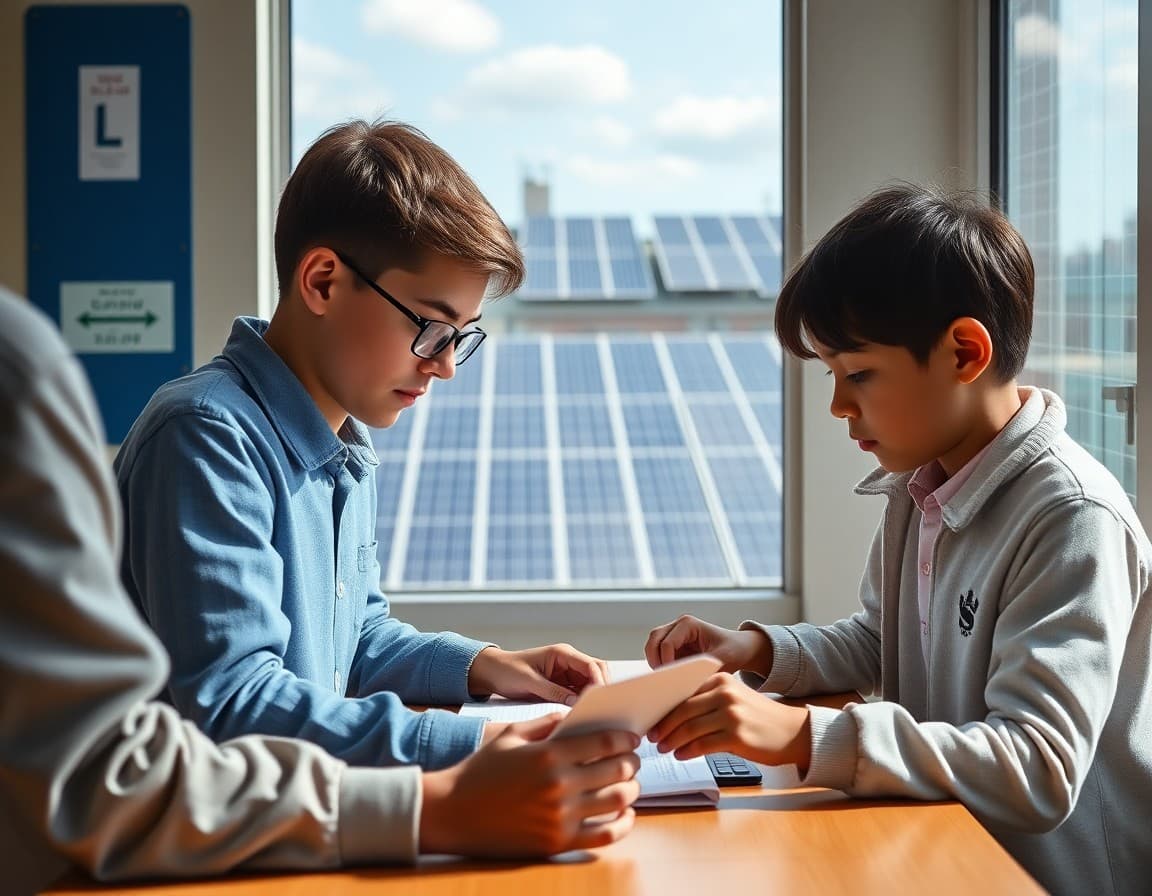
Climate initiatives that stay entirely in the operations and facilities lane miss an opportunity. If you are installing solar panels, mention that science teachers are incorporating real-time energy production data into their curriculum. If you are reducing single-use plastics, mention the student sustainability council that helped design the program. The connection to student experience makes the initiative relevant to families who primarily think about their child's day.
Include a Progress Update Section in Future Issues
The first newsletter announces the plan. Subsequent newsletters need a standing section that shows progress: kilowatt-hours generated, tons of waste diverted, percentage of buses converted. Even one or two data points per issue tells families the program is real and being tracked. Initiatives that go silent after the announcement lose credibility fast.
Sample Language for a Solar Announcement
"This summer, we are installing solar panels at Jefferson Elementary and Riverside Middle School. The panels will cover approximately 70% of each school's electricity needs and are expected to save the district $85,000 annually. The project is funded through a state energy grant and a power purchase agreement with no upfront cost to the district. Students in grades 6 through 8 at Riverside will track energy production as part of their science curriculum starting in September."
Acknowledge What Is Still Being Decided
If part of your sustainability plan is still under development, say so. "We are currently evaluating three options for replacing our aging HVAC systems, including a geothermal option. We expect to bring a recommendation to the board in March." Families who know a decision is in progress are less likely to be surprised when it is made.
Close with a Way for Families to Engage
Link to the district's sustainability plan document. Announce an upcoming community input session. Share a student sustainability council email address. Families who feel they can participate are more likely to support the initiative. Keep the call to action simple and specific.
Get one newsletter idea every week.
Free. For teachers. No spam.
Frequently asked questions
What should a superintendent include in a climate goals newsletter?
Include the specific targets the district has committed to, a timeline, the current baseline, and what resources are funding the work. If there are tradeoffs, such as capital costs or changes to operations, acknowledge them directly. Families trust communication that shows the district has thought through the details.
How do you communicate sustainability goals without it seeming like a political statement?
Focus on operational specifics and financial outcomes. Energy costs, building maintenance savings, and air quality improvements are practical concerns that cross political lines. You can describe the same initiative as a fiscal responsibility move and an environmental stewardship move. Both are accurate. Lead with whichever framing fits your community.
Should a superintendent include students in climate communication?
Yes, where it is authentic. If students were involved in designing the green schools plan or led a sustainability audit, that is worth naming. But do not manufacture student involvement just to add it to the newsletter. Families can tell the difference between real student voice and a PR move.
How do you handle community members who oppose sustainability spending?
Acknowledge the concern directly: 'We understand that investing in solar infrastructure requires upfront capital, and we want to be transparent about the numbers.' Then show the math. A 20-year payback period and annual savings of $180,000 in energy costs is a legitimate fiscal argument. Do not avoid the conversation.
What platform works best for sending a sustainability update newsletter to the whole district?
Daystage handles district-wide sends with consistent branding across all schools. Sustainability updates often include charts and data tables that need to render correctly on mobile, which is where most parents read their school email. Daystage ensures the formatting holds.

Adi Ackerman
Author
Adi Ackerman is a former classroom teacher and curriculum writer with 8 years in K-8 schools. She writes about school communication, parent engagement, and what actually works in real classrooms.
More for Superintendent
How to Write a Superintendent Newsletter That Families Actually Read
Superintendent · 8 min read
Superintendent Budget Update Newsletter: Communicating Finances Without Losing Trust
Superintendent · 8 min read
Superintendent Bond Measure Communication: Explaining Capital Projects to Voters
Superintendent · 8 min read
Ready to send your first newsletter?
3 newsletters free. No credit card. First one ready in under 5 minutes.
Get started free