

Teacher Newsletter for Peer Review: What High School Families Need to Know
Why This Communication Matters
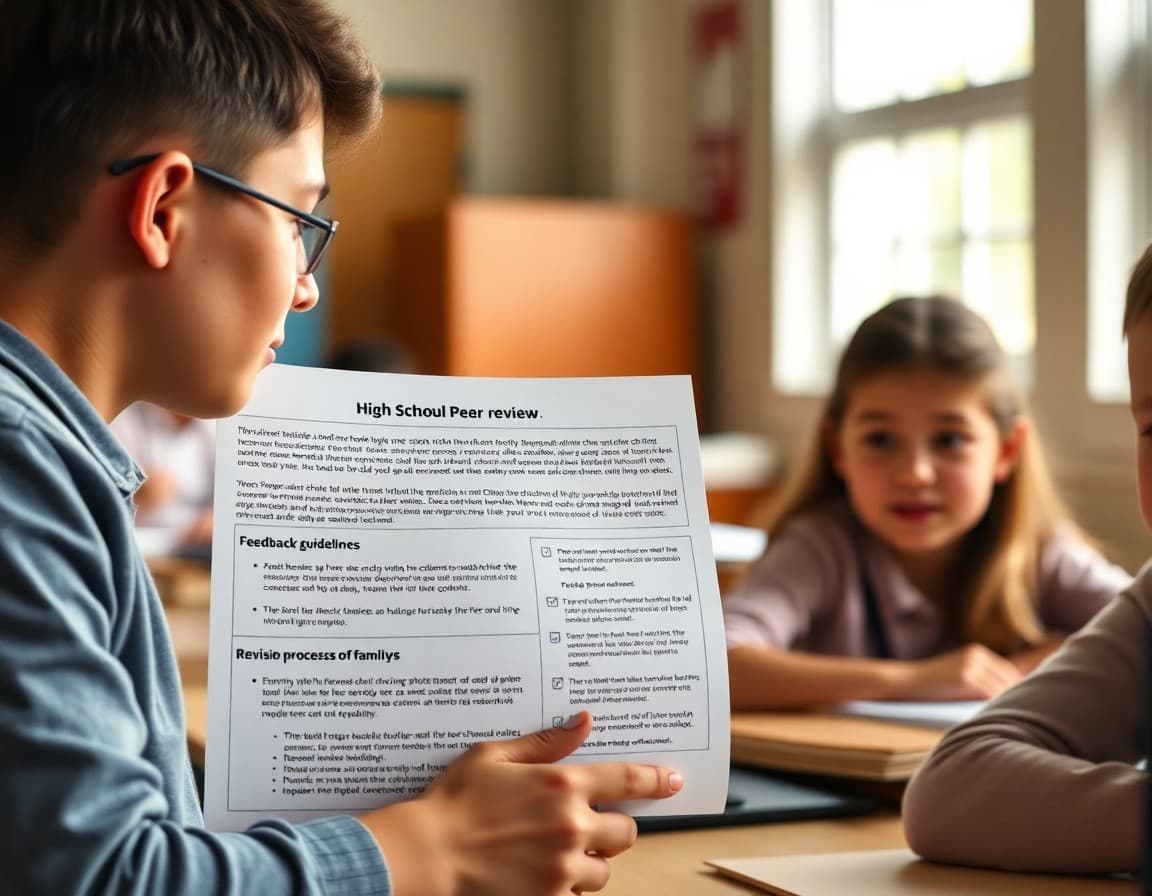
Peer review is a high-engagement activity that parents often hear about secondhand from their student. A newsletter that explains what the activity involves, why it matters academically, and how families can support their student's preparation gives the work the context it deserves.
What to Cover in Your Newsletter
Cover the current phase of the activity, what students need to prepare or produce, how the work is assessed, and what resources are available. Specific information about expectations removes the ambiguity that leads to under-prepared students.
Skills and Outcomes Students Develop
Participation in peer review develops argumentation, critical analysis, collaboration under pressure, and the ability to engage thoughtfully with complex ideas and opposing viewpoints. These skills transfer to college seminars, professional meetings, and civic life.
How Families Can Support at Home
Parents can support their student by asking them to explain what they are preparing, practicing arguments or positions out loud over dinner, and treating the activity as seriously as any graded assignment. Students who discuss their work at home arrive better prepared.
Community and Recognition Opportunities
Many peer review activities connect to school-wide recognition, competitions, or public presentations. A newsletter that communicates these opportunities gives students who are genuinely invested additional motivation and gives families a chance to attend or support.
Assessment and What Success Looks Like
Assessment for peer review typically evaluates contribution quality, evidence use, and intellectual engagement rather than simply correctness. A newsletter that explains this assessment approach helps families encourage the kind of deep preparation that produces meaningful work.
Building a Consistent Communication Habit
A launch newsletter before the activity begins and a brief follow-up afterward is sufficient communication for most peer review activities. Build a template and use a sending tool that keeps the habit alive through the busiest parts of the school year.
Get one newsletter idea every week.
Free. For teachers. No spam.
Frequently asked questions
What is peer review in high school writing classes?
Peer review is a structured process where students read and provide specific, constructive feedback on each other's drafts before final submission. Effective peer review teaches students to identify strengths and weaknesses in writing, articulate specific suggestions rather than general impressions, and apply feedback criteria to their own work. It develops the kind of critical reading skills that make students better writers of their own work.
How can peer review improve a student's writing?
Students who engage seriously with peer review often improve their writing more than those who skip it or give and receive only surface feedback. Reading peers' drafts shows students a range of approaches to the same assignment. Receiving specific feedback from multiple readers before final submission is more useful than discovering weaknesses only after the grade. A newsletter that explains this value motivates students to take the process seriously.
What makes peer review feedback useful?
Useful peer review feedback is specific, grounded in the assignment criteria, descriptive rather than evaluative ("I was confused about what you meant here" rather than "this is unclear"), and actionable. A newsletter that shares feedback guidelines with families helps parents understand what students are practicing and why peer feedback can be more useful than a teacher's red pen alone.
Should parents help their student give peer review feedback?
Parents can help their student understand the assignment criteria being applied and discuss what makes feedback specific and constructive versus vague. But peer review is most valuable when it reflects the student's own reading experience. Parents should not write the feedback for their student or edit their peer's paper directly.
What tool helps high school teachers send newsletters about peer review?
Daystage is built for school communication. High school teachers use it to create formatted newsletters, manage parent and student email lists, and send updates about peer review in minutes without extra design tools.

Adi Ackerman
Author
Adi Ackerman is a former classroom teacher and curriculum writer with 8 years in K-8 schools. She writes about school communication, parent engagement, and what actually works in real classrooms.
More for High School
Teacher Newsletter for Argumentative Essay Units: What Families Need to Know
High School · 6 min read
Teacher Newsletter for Thesis Writing: Supporting High School Students at Home
High School · 6 min read
Teacher Newsletter for Socratic Seminar: How to Prepare Students and Parents
High School · 6 min read
Ready to send your first newsletter?
3 newsletters free. No credit card. First one ready in under 5 minutes.
Get started free