
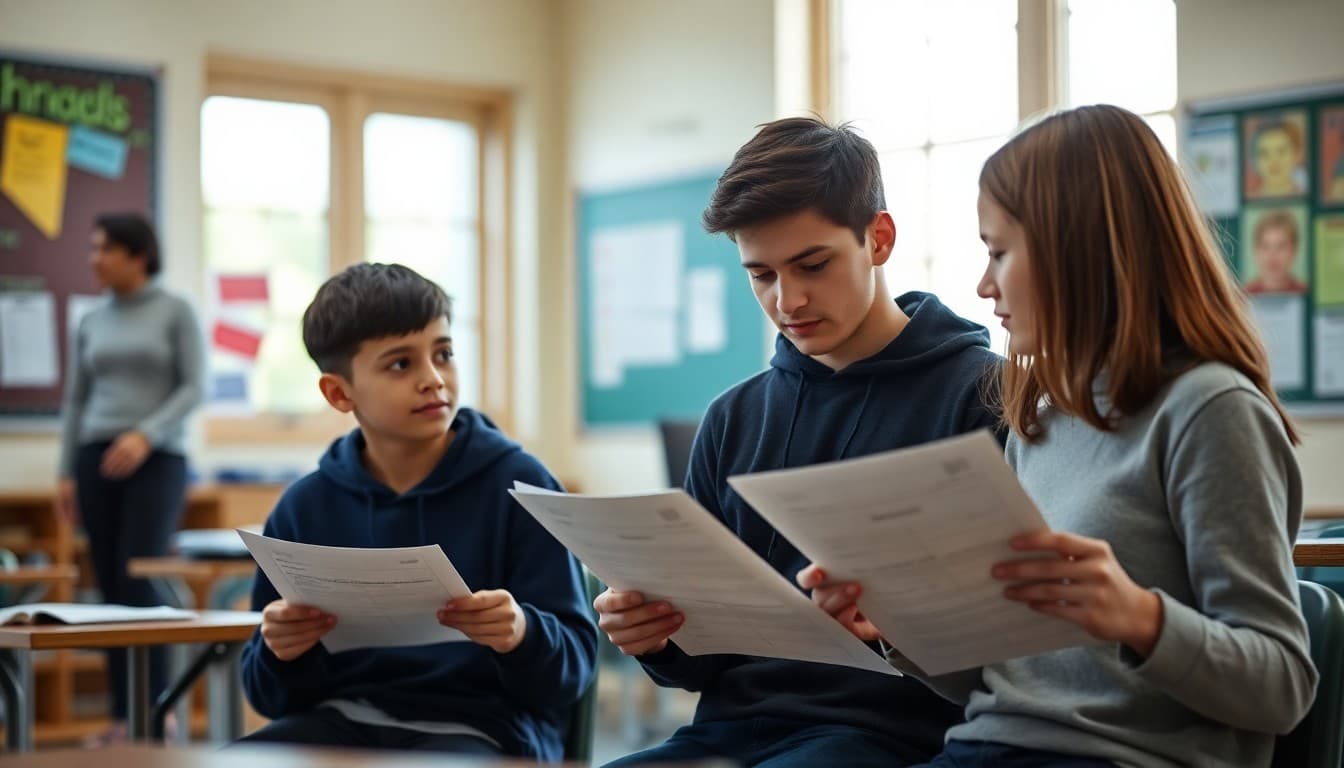
Teacher Newsletter for Peer Review: What Families Need to Know Before Peer Feedback Days
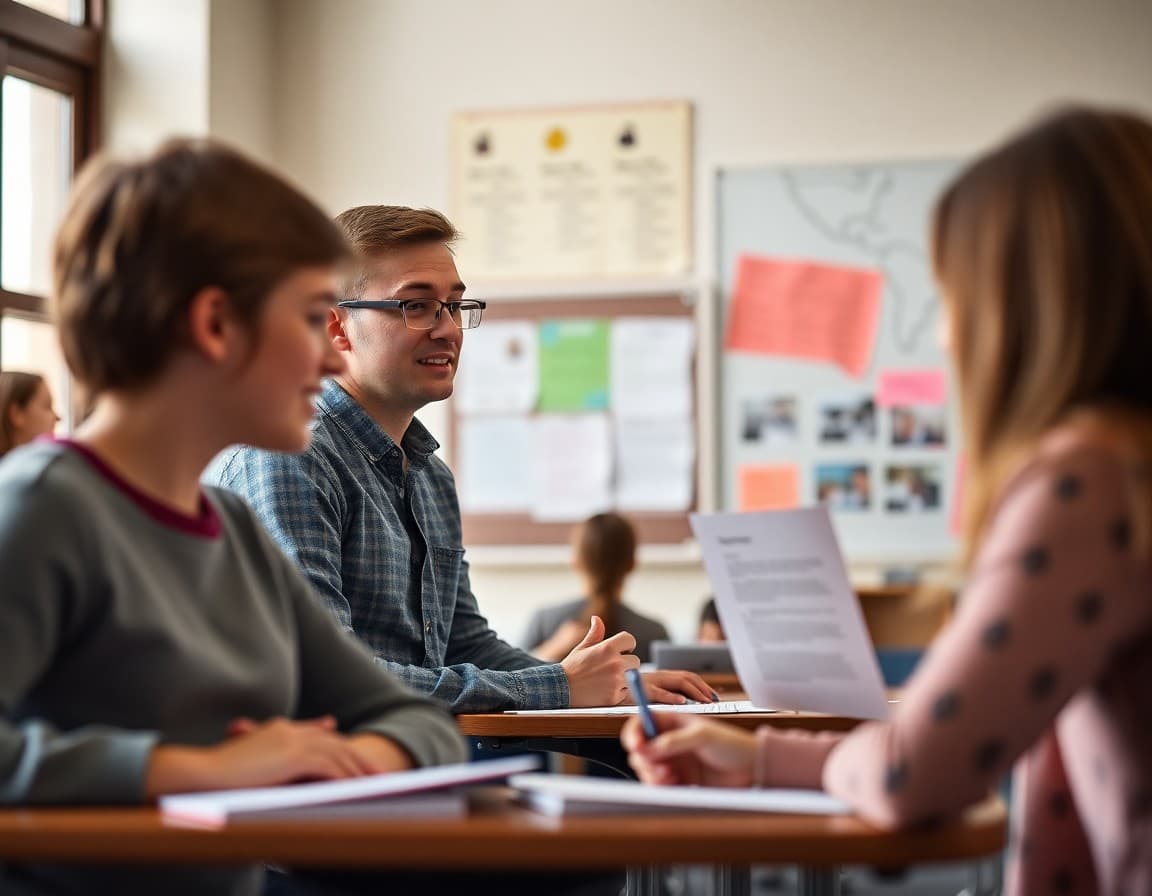
Peer Review Is Instruction, Not Opinion
Families sometimes worry that peer feedback means their student's work is being judged by a classmate with no more expertise than their student. This misunderstands what structured peer review is. In a structured protocol, reviewers respond to specific prompts about specific elements of the work, using the same criteria the teacher will use to grade it. The reviewer is not offering personal opinion; they are practicing analytical reading and applying the rubric criteria. A newsletter that makes this distinction transforms family concern into understanding.
What the Feedback Protocol Looks Like
Different feedback protocols serve different purposes. A protocol focused on argument writing might ask reviewers to identify the central claim, underline each piece of evidence, draw a line connecting each piece of evidence to the claim it supports, and write a question about any evidence that does not clearly connect. A protocol focused on narrative writing might ask reviewers to mark the most vivid image and write where they wanted to know more. Describing the specific protocol in the newsletter helps families understand what their student will experience rather than imagining a general critique session.
The Learning That Happens on Both Sides
The most often overlooked benefit of peer review is what the reviewer gains from the process. A student who must identify whether evidence connects to a claim in someone else's essay is practicing the same analytical move they need to make in their own essay revision. A student who must find the most vivid moment in a partner's narrative is developing the taste that will improve their own writing. A newsletter that explains the dual benefit of peer review helps families see it as learning rather than social assistance.
How Students Are Paired and Why
Teachers make pairing decisions based on different criteria depending on the purpose of the feedback session. Sometimes stronger and developing writers are paired to scaffold the feedback conversation. Sometimes students are paired with someone whose work is at a similar level so neither is overwhelmed. Sometimes random pairing is used to mirror professional feedback environments. A newsletter that explains the pairing rationale prevents the frustration that happens when a student is paired with a partner they did not choose.
What Students Do With Feedback After the Session
Peer feedback has no value unless students use it in revision. A newsletter that explains the revision step of the process and names the specific expectation, whether students must respond to every comment, address only the comments they agree with, or submit a revision memo explaining their choices, helps families understand that the feedback session is a step in a longer process rather than the end of the assignment.
When Peer Feedback Goes Wrong: What to Do
Not every peer feedback session is productive. Sometimes a reviewer is dismissive, unhelpful, or too brief. A newsletter that acknowledges this possibility and tells students and families what to do, "if the feedback you received was too vague to use, bring the feedback form to the teacher and we will work through it together," normalizes imperfection in peer feedback without treating the whole process as unreliable.
Peer Review Communication Through Daystage
Teachers who use Daystage to communicate peer review processes give families a clear window into collaborative learning that might otherwise feel opaque. When families understand what peer feedback is, how it is structured, and what their student is supposed to gain from it, they support the process rather than questioning it.
Get one newsletter idea every week.
Free. For teachers. No spam.
Frequently asked questions
What should a peer review newsletter explain to families?
A peer review newsletter should explain what structured peer feedback is, how it differs from unstructured opinion-sharing, what the specific feedback task students will complete, why giving feedback helps the giver as much as the receiver, and what students will do with the feedback they receive. Families who understand the pedagogical purpose of peer review are less concerned about whether a partner was qualified to critique their student's work.
Why is peer review valuable for the student giving feedback?
Giving structured feedback requires the reviewer to apply the same criteria they are supposed to meet in their own work. When a student reads a partner's argument and identifies whether the evidence connects to the claim, they practice exactly the analytical thinking they need to apply to their own writing. Research on peer learning consistently shows that explaining and evaluating the work of others produces deep learning for the person doing the evaluation.
How is structured peer review different from students just marking up each other's papers?
Structured peer review uses a specific protocol that directs reviewers toward particular elements rather than allowing general impression commentary. A protocol might ask reviewers to identify the strongest sentence, write one question the piece raised, and name one specific place where more detail is needed. This structure produces useful, specific feedback rather than vague praise or discouragement. The protocol is as important as the pairing.
What should a student do if they disagree with the feedback they received?
Disagreeing with peer feedback is normal and sometimes correct. The purpose of feedback is not to obey it but to consider it. A student who receives feedback suggesting a section is confusing should ask whether a reader could genuinely be confused by that section, not automatically revise based on the comment. Teachers who explain this to students, and whose newsletters communicate it to families, prevent the anxiety that comes from feeling obligated to incorporate every peer comment.
What tool helps teachers communicate peer review days to families?
Daystage is built for school communication. Teachers use it to send formatted peer review newsletters with process explanations, student roles, and feedback day schedules directly to parent email lists.

Adi Ackerman
Author
Adi Ackerman is a former classroom teacher and curriculum writer with 8 years in K-8 schools. She writes about school communication, parent engagement, and what actually works in real classrooms.
More for Subject Teachers
Teacher Newsletter for Project Rubrics: How to Share Grading Criteria With Families Before a Project Begins
Subject Teachers · 6 min read
Teacher Newsletter for Writing Workshop: What Families Need to Know About the Writing Process in Class
Subject Teachers · 6 min read
Teacher Newsletter for Unit Reflections: Closing the Loop With Families After Each Unit
Subject Teachers · 6 min read
Ready to send your first newsletter?
3 newsletters free. No credit card. First one ready in under 5 minutes.
Get started free