
Social Studies Teacher Newsletter: Field Trip Newsletter to Parents
A field trip newsletter does two jobs at once. It handles the logistics parents need to actually get their child on the bus, and it frames the academic purpose so families understand what their student will be learning, not just where they are going. When you do both well, you reduce the flood of individual parent questions and give families a real way to support the learning before and after the trip.
This guide covers what to include in a social studies field trip newsletter, how to communicate the curriculum connection clearly, and how to handle logistics, permissions, and follow-up in a format families will actually read.
Lead with the destination and the learning purpose together
Open the newsletter with the trip destination and one sentence that explains why it matters for what students are studying. Not "we are excited to announce a field trip to the State History Museum" but "on Thursday, May 22, our class will visit the State History Museum to examine primary source artifacts and architectural records that connect directly to our unit on how geography shaped colonial settlement patterns in our region."
This framing does something important. It signals to families that the trip is academic, not recreational, which builds confidence that their child's school day is being used purposefully. It also gives parents a talking point: "I hear you're going to look at artifacts about colonial settlements. What have you been learning about those in class?" That conversation extends the learning beyond the classroom walls.
List the logistics families need without making them hunt
Date, departure time, return time, cost, permission slip deadline, and what students should bring. Put these in a short bulleted list early in the newsletter, not embedded in paragraphs where they get skimmed past. When the trip involves specific clothing requirements, weather considerations, or restrictions on electronics, state those clearly.
If students need to bring a packed lunch versus buying at a cafeteria, say that explicitly. If phones are not permitted at the destination, explain this so parents are not surprised when their child cannot respond to messages. Families do not follow instructions they do not know exist. Clear logistics reduce the morning-of chaos that derails the start of every field trip.
Describe what students will actually do at the destination
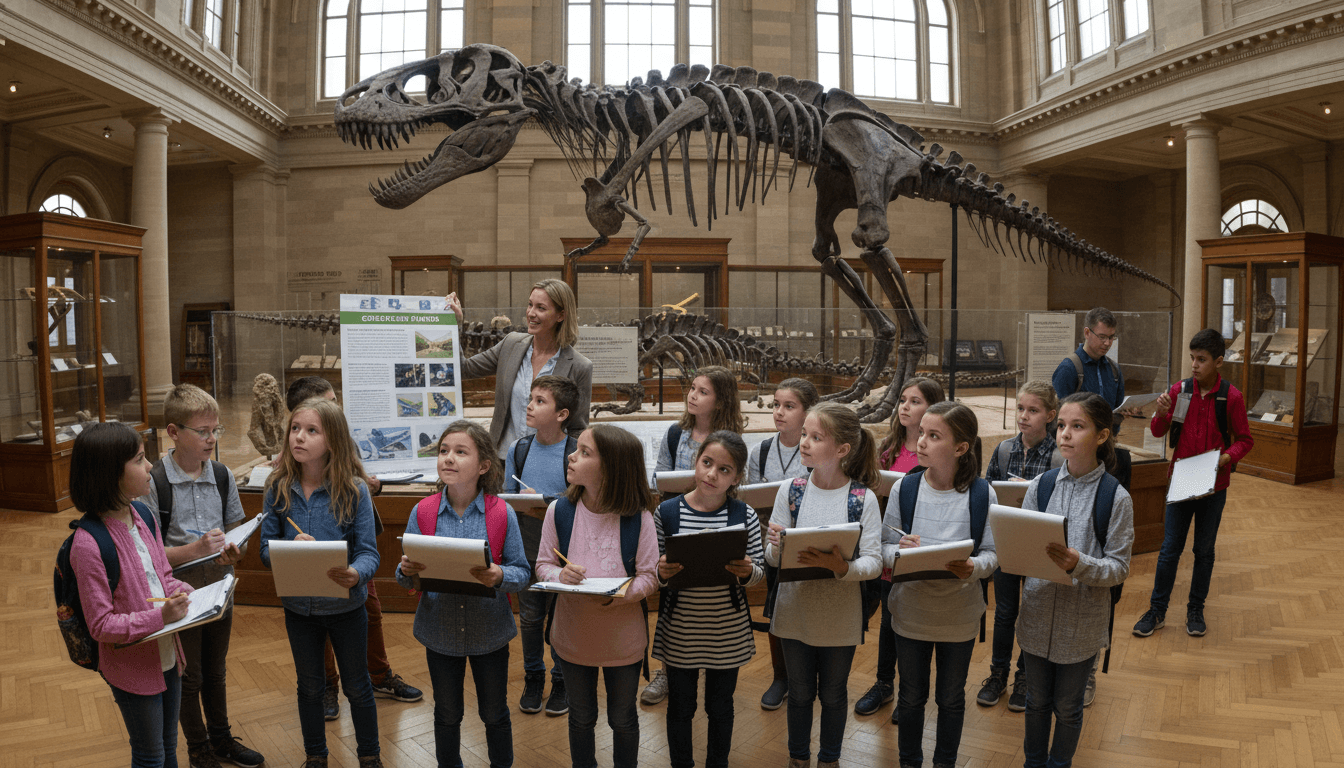
Tell families what the visit looks like in practice. Will students work through a guided observation worksheet at each exhibit? Will they use a primary source analysis protocol to examine documents or artifacts? Are they meeting with a museum educator for a structured presentation, then doing independent exploration? Will there be a culminating task, like gathering evidence for a position paper or collecting information for a timeline project?
When parents know their child will be looking for specific evidence rather than passively viewing exhibits, they understand that focused attention matters during the visit. This framing also helps students take the work more seriously because they know their parents understand what is expected.
Connect the trip to recent and upcoming classroom work
Name the unit or standards the trip supports. If students have been building geographic literacy skills and will now see how terrain and waterways directly influenced where settlements formed, say that. If the trip connects to a civics unit and students will see how a local government building functions, describe the connection. If there is a project or assessment coming up that the trip feeds into, mention it so parents understand the trip is part of a sequence, not a standalone event.
This curriculum transparency matters particularly in social studies, where the connections between classroom content and real-world destinations are often more meaningful than in any other subject. A student who visits a civil rights museum after studying the legislative history of the Civil Rights Act experiences the material at a different depth than one who just sees the building as a destination.
Suggest one conversation starter for the car ride home
Give families one specific question to ask: "Ask your student what the most surprising primary source artifact they saw was and what it told them about that time period" or "Have your student explain what they think geography had to do with where people chose to build settlements." This one sentence is more useful than a paragraph of general encouragement.
Parents who feel equipped to have a substantive conversation about the day are far more likely to have one. And that conversation reinforces learning in a way that no worksheet assignment alone can replicate. It also signals to students that what they did at the museum matters beyond the classroom.
Handle cost and permission logistics transparently
State the cost and the permission slip deadline in the first section of the newsletter. If there is a financial assistance option, name it directly and tell families how to access it without having to ask you in front of other parents. Include the permission slip as an attachment or link, not as something families have to request separately. Every additional step between a parent reading your newsletter and completing a permission slip is a step where the follow-through drops.
If students who do not return a permission slip by the deadline will not be able to attend, state this clearly and early. Do not wait until two days before the trip to enforce the deadline. Clear expectations set in advance produce far better compliance than last-minute reminders.
Send a brief reminder two days before the trip
A short follow-up newsletter two days before departure is worth sending. Include the departure time, what to bring, and any reminders about electronics or dress code. Keep it to a short bulleted list. Families who read the first newsletter benefit from the reminder. Families who missed the first newsletter now have the essential information before it is too late to act on it.
Close by noting what students will be working on when they return so families understand how the trip connects to what comes next in the classroom. This wrap-around communication turns a single event into a visible piece of a longer learning sequence.
Get one newsletter idea every week.
Free. For teachers. No spam.
Frequently asked questions
How early should I send a social studies field trip newsletter?
Send the first newsletter two to three weeks before the trip. This gives families time to arrange logistics, sign and return permission slips, and prepare any costs. Send a shorter reminder newsletter two days before with final logistics: departure time, drop-off, what to bring, and any last-minute updates. Two-touch communication nearly eliminates the 'I didn't know' problems that surface on the morning of the trip.
What curriculum connection details should I include in a field trip newsletter?
Be specific about which unit or standards the trip supports. Instead of 'this connects to our history unit,' write 'students have been studying how geography shaped the settlement patterns of early colonial communities, and this visit will let them examine primary source artifacts and architectural remains from that period directly.' Parents who understand the learning purpose are more likely to engage their child in conversation before and after the trip.
Should I tell parents what students will be doing at the destination?
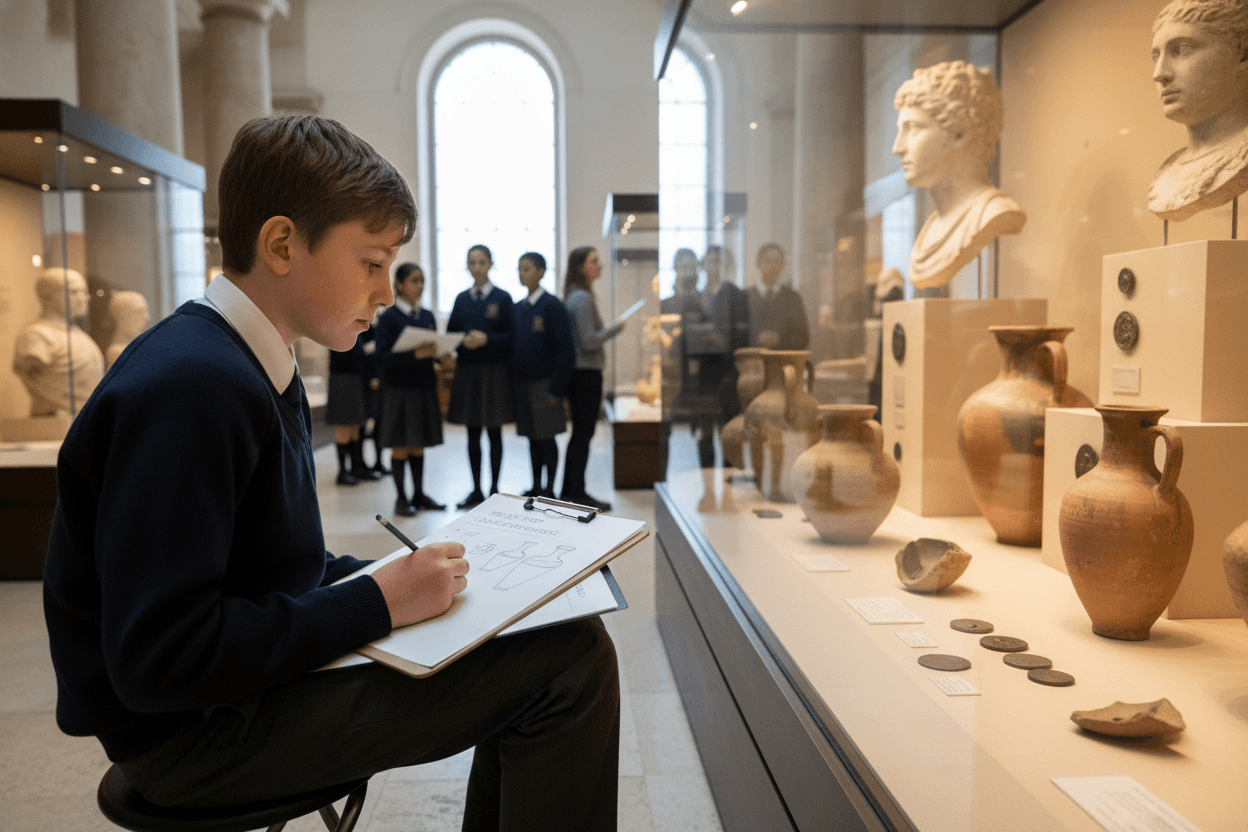
Yes, and with detail. Describe the guided activities, any student-led tasks like sketching, completing observation guides, or gathering information for a follow-up project, and the overall arc of the visit. When families know their child will be looking for evidence of how geography influenced trade routes rather than just walking through a museum, they can prime conversations and build excitement in a more targeted way.
How do I handle families with financial concerns in the field trip newsletter?
State the cost clearly in the first paragraph, not buried at the bottom. If your school has a financial assistance process, mention it directly and without stigma: 'Families who need support covering the cost should contact me or the front office by [date]. All students will participate.' This removes the barrier of families having to ask and ensures no student is left behind because a parent was too embarrassed to reach out.
How does Daystage help social studies teachers send field trip newsletters?
Daystage lets you build a field trip newsletter template that you update for each destination rather than drafting from scratch every time. Add permission slip reminders, packing lists, and curriculum connection sections to your base template, update the destination-specific details, and send in minutes. Families receive a consistent, professional-looking email they can reference for logistics, and you can see who opened it so you know which families may need a direct follow-up call.

Adi Ackerman
Author
Adi Ackerman is a former classroom teacher and curriculum writer with 8 years in K-8 schools. She writes about school communication, parent engagement, and what actually works in real classrooms.
More for Subject Teachers
Ready to send your first newsletter?
3 newsletters free. No credit card. First one ready in under 5 minutes.
Get started free