

Sixth Grade Teacher Newsletter Guide: Communicating Through the Middle School Transition
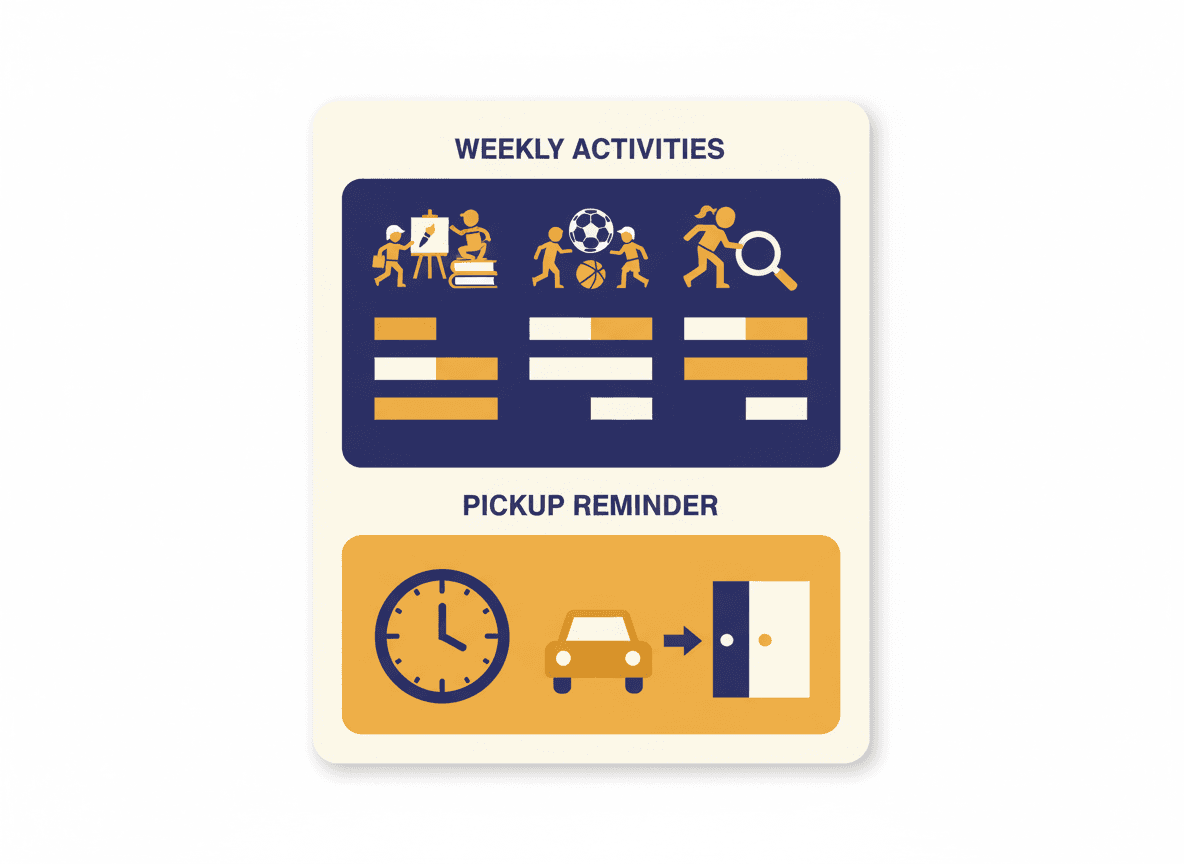
Sixth grade is a year of firsts. First time switching classrooms. First time managing a locker. First time having five or six different teachers instead of one. For many students, it is also the first year that school starts to feel like it requires real personal organization. Parents who were perfectly in sync with elementary school communication suddenly feel a step behind. A well-written newsletter from you closes that gap.
This guide covers what to include in a sixth grade teacher newsletter, how often to send it, and how to write in a way that helps families support the middle school transition at home.
Why sixth grade families need more communication, not less
There is a tendency in middle school to send fewer newsletters and assume families will look things up on the portal. That approach leaves many families behind. Sixth grade parents are used to elementary school, where one teacher knew their child well and communication was frequent and personal. A sudden drop in communication feels like a loss of relationship, not a sign of independence.
Your newsletter does not have to be long. It has to be consistent. A two-page newsletter every two weeks tells families that someone is paying attention and that they are still part of the picture. That reassurance matters more than any single piece of content you send.
What to cover in each newsletter
Start with academics. Tell families what students are studying in your class right now and what is coming up in the next two weeks. Be specific enough to be useful: not "we are working on fractions" but "we are working on dividing fractions by fractions this week, and students will have a skills check on Friday." Families who know what is happening can ask better questions at dinner.
Include a homework and organization section. In sixth grade, many students are managing a planner for the first time and figuring out how to handle assignments from multiple teachers. Give families one concrete tip for the week: how to use the planner, how to break a big project into steps, how to recover when they forget an assignment.
Devote one short paragraph to the social side of school. Sixth grade social dynamics are intense. Mention what you are noticing (not about specific students, but about the grade as a whole) and what families can do to support their child. A simple sentence like "we have been talking in class about how to handle disagreements with friends, and this is a great conversation to continue at home" gives parents an opening they would not have had otherwise.
Translating middle school systems for elementary school parents
Many sixth grade families do not understand how the gradebook works, how missing work is tracked, or how to contact multiple teachers without creating confusion. Your newsletter is the right place to explain this early in the year and revisit it at each grading period. The goal is not to lecture parents. It is to give them the information they need to be useful partners.
In September, walk through the basics: what the grade portal shows, how attendance is tracked, when progress reports go out, and what "incomplete" means on an assignment. Families who understand the system from the start avoid the panic conversations that happen when they see an unexpected grade in October.
Building the transition narrative across the year
The best sixth grade newsletters tell a story across the year. In September, you are covering systems and expectations. In October and November, you are talking about building habits and managing the first real homework crunch. In January, you are addressing the mid-year slump and helping families reconnect their student to motivation. In the spring, you are talking about preparing for seventh grade and celebrating growth.
Families who read your newsletter in May should feel like they have traveled somewhere with you. That sense of continuity builds trust and makes your communication more effective over time.
Tone and format choices that work in sixth grade
Keep the tone warm and direct. You are writing to adults who care deeply about their child's experience and want to be useful. Avoid jargon like "metacognitive strategies" or "growth mindset frameworks." Write the way you would explain something to a parent at a back-to-school night: plain language, specific details, clear takeaways.
Two to three short sections per newsletter is enough. A section on academics, a section on social or organizational skills, and a short upcoming-events reminder covers most of what families need. You do not need to write a page for every class you teach.
Using Daystage for a sixth grade newsletter
Daystage makes it easy to build a consistent newsletter template that you update each cycle. You write in the block editor, add your sections, and send. Subscriber lists let you target your homeroom specifically or coordinate with your grade-level team to send a shared newsletter that covers all core classes at once. A consistent look each issue helps families find information quickly rather than re-reading to figure out the format.
Get one newsletter idea every week.
Free. For teachers. No spam.
Frequently asked questions
How often should a 6th grade teacher send newsletters to families?
Every two weeks works well for most 6th grade teachers. Sixth grade is a transition year and families want more touchpoints than they needed in elementary school. A two-week cadence keeps them informed without overwhelming your schedule or their inbox.
What should a sixth grade teacher newsletter include?
Cover what students are studying, what assignments are coming up, and what skills you are working on in each subject area. Include one paragraph on the social or emotional side of sixth grade life: making new friends, managing multiple teachers, handling homework. Parents navigating this transition with their kids need that context.
How do I explain middle school expectations to parents who are used to elementary school?
Be direct and specific. Tell families that students are now responsible for tracking their own assignments, moving between classrooms, and managing a longer homework load. Give a sample weekly schedule. Parents who understand what the day looks like can help their child prepare for it.
What mistakes do 6th grade teachers make in family newsletters?
The most common mistake is assuming families already understand how middle school works. Many parents of 6th graders are navigating this for the first time. Spell out the systems: how the gradebook works, how to contact multiple teachers, how missing work is handled. Spell out once is not enough. Remind them throughout the year.
Does Daystage work well for subject-specific teachers?
Daystage is built for exactly this use case. You can create a newsletter that reflects your classroom without needing a graphic designer or a district template. Subscriber lists let you send to just your homeroom families or to all families in a shared unit, depending on how your team communicates.

Adi Ackerman
Author
Adi Ackerman is a former classroom teacher and curriculum writer with 8 years in K-8 schools. She writes about school communication, parent engagement, and what actually works in real classrooms.
More for Subject Teachers
School Social Worker Newsletter: How to Communicate Resources and Support to Families
Subject Teachers · 6 min read
After-School Program Newsletter Guide: Keeping Families Engaged Beyond the School Day
Subject Teachers · 6 min read
Facilities Coordinator Newsletter: Communicating Campus Safety, Maintenance, and Updates to School Families
Subject Teachers · 6 min read
Ready to send your first newsletter?
3 newsletters free. No credit card. First one ready in under 5 minutes.
Get started free