
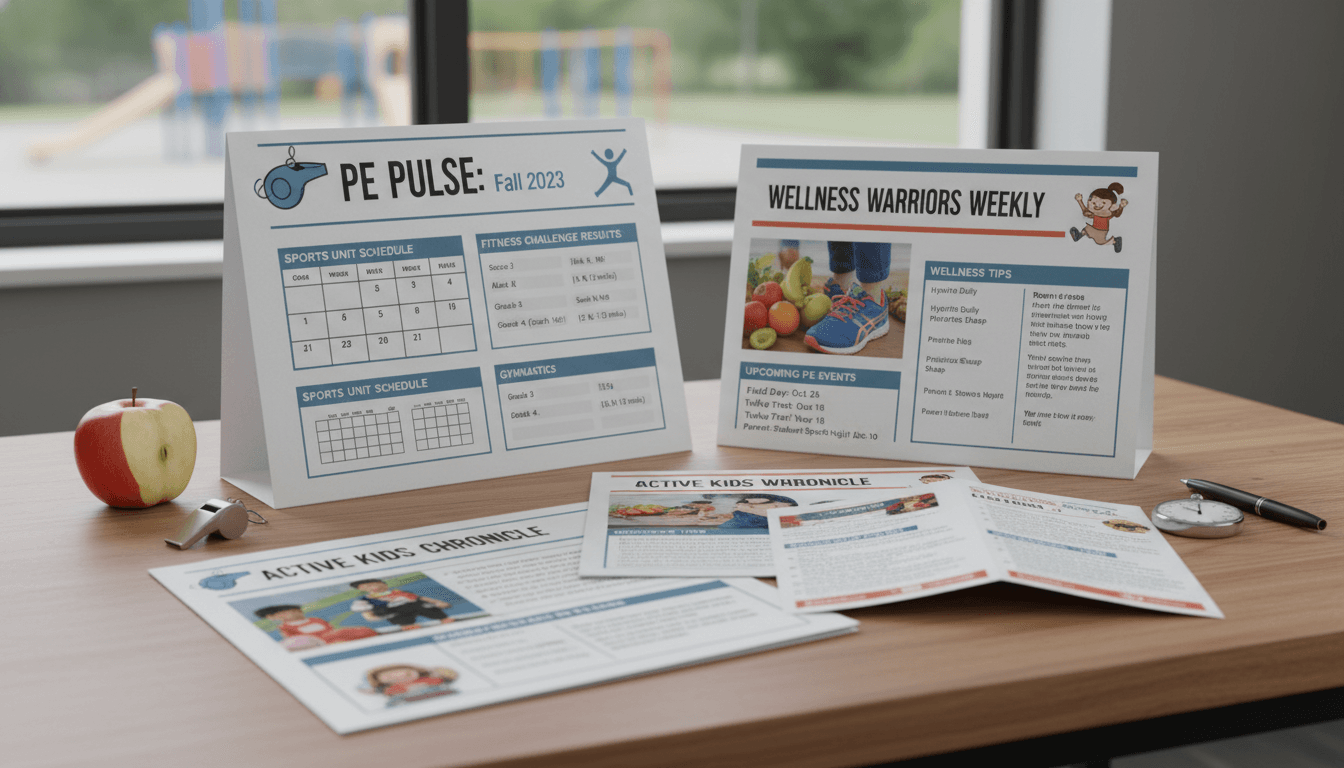
Physical Education Teacher Newsletter: Teacher Newsletter Examples That Actually Work
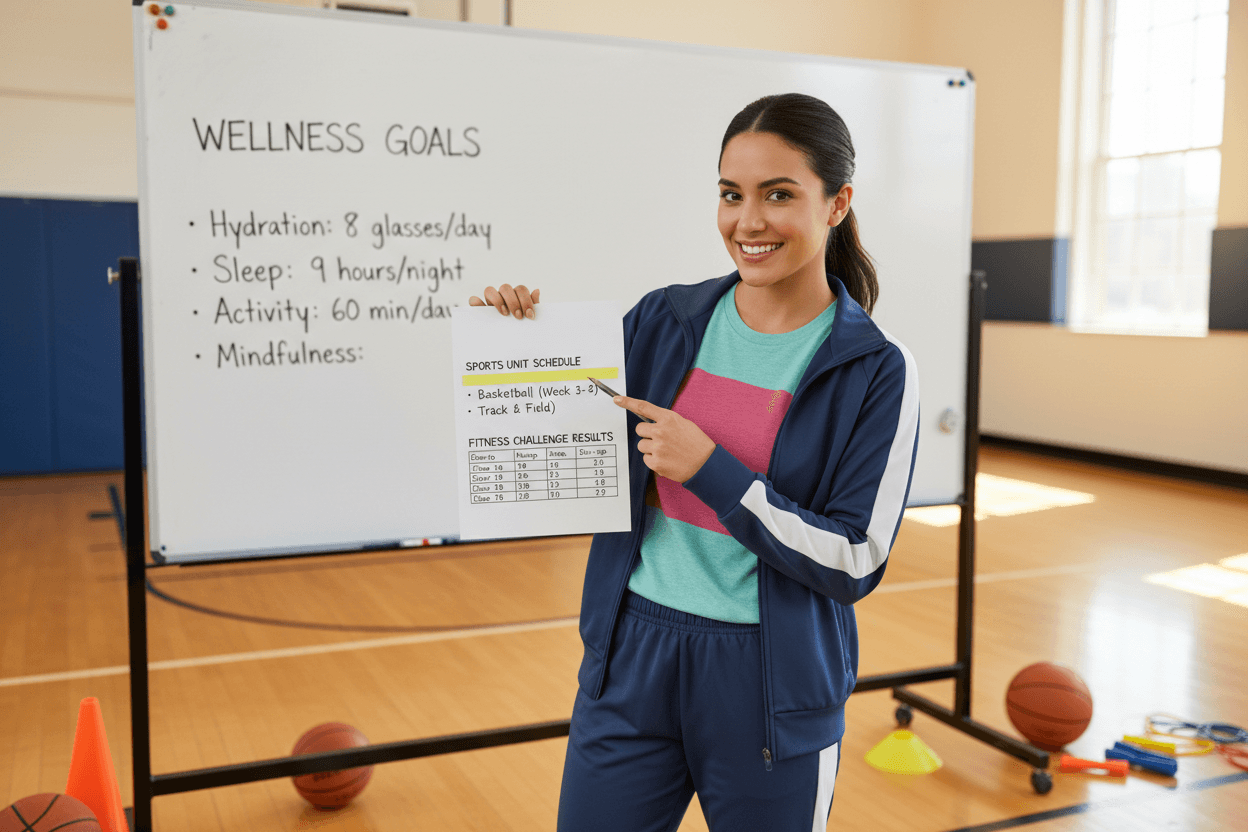
Most families assume PE class is unstructured time for kids to run around. A well-written newsletter changes that assumption in the first paragraph. When parents see that their child is learning cardiovascular fitness concepts, cooperative sports strategy, and movement vocabulary alongside physical skills, they engage with the class differently and support it more at home.
This guide walks through PE teacher newsletter examples that cover the most common communication needs: unit launches, fitness assessments, wellness tips, and special events. Use these as starting points and adapt them to the specific language of your program.
Unit launch newsletters that explain the why behind the activity
The best PE newsletter example for a new unit does more than announce the sport or movement type. It explains the fitness components the unit develops and the specific skills students will practice. A basketball unit newsletter might read: "Over the next three weeks, we will focus on cardiovascular endurance through continuous movement drills, coordination through passing and dribbling technique, and spatial awareness through small-sided games."
That framing is more compelling than "we are starting basketball." It tells families that the unit has educational goals and gives them vocabulary to use when asking their child about class. The opening paragraph of a unit newsletter should always answer: what are we learning, and why does it matter for this student's physical development?
Fitness assessment newsletters that set expectations without creating anxiety
When a fitness assessment is coming up, families need to know what it measures, how students will be evaluated, and how to help at home without over-stressing the event. An effective PE newsletter for a pacer or mile run assessment tells families the purpose: "The pacer test measures cardiovascular fitness, not athleticism or sports skill. Students are encouraged to do their personal best, not to compete against classmates."
Include one practical tip for home preparation: getting adequate sleep the night before, staying hydrated that morning, and wearing supportive athletic shoes are all actionable suggestions. Reassure families that these assessments are wellness benchmarks, not grades, and explain how results will be communicated individually if at all.
Wellness tip newsletters that connect PE content to family life
A newsletter that extends PE learning into the home environment is one families return to. This does not require elaborate content. One or two specific, practical suggestions per newsletter is plenty: "Students are practicing heart rate monitoring in class this week. Try this at home: have your child find their pulse at rest, then do 30 seconds of jumping jacks and check it again. Ask them to explain why it changed."
Tying the home activity directly to what students are doing in class gives it context and meaning. Families who engage with these prompts become more invested in PE content, and students often practice skills at home more willingly when their parents ask about it specifically.
Special unit newsletters for swimming, field day, and high-stakes events
Swimming units, outdoor education weeks, and field day events need their own dedicated newsletters with logistics front and center. Families need to know what to send with their child, what dress code applies, what the schedule looks like, and how to communicate any relevant health or safety information.
A field day newsletter example should include: the date and rain-delay plan, what students should wear, whether they should bring sunscreen and a water bottle, and what events students will participate in. Give families enough detail that they are not sending their child in jeans and dress shoes on the warmest day of the school year.
End-of-unit reflection newsletters that celebrate growth
One of the most underused PE newsletter formats is the unit reflection. Send a short newsletter at the close of a unit that summarizes what students accomplished: "This month, every student in 4th grade improved their overhand throw distance during our ultimate frisbee unit. Students who struggled with accuracy early in the unit made significant gains by practicing the 'step-step-throw' pattern we used in class."
This kind of newsletter reinforces that PE measures effort and growth, not raw athleticism. It also gives families something specific to celebrate with their child. The closing question "Ask your student what skill they are most proud of from this unit" gives parents an easy entry point for a real conversation.
Dress code and logistics reminders that prevent repeat issues
A PE newsletter is also a practical place to address recurring logistics without singling anyone out. "A reminder that students need athletic shoes and comfortable clothing for PE every day" hits differently in a newsletter than a repeated note home to one family. Include a reminder of what to do if a student forgets their shoes, whether lockers are available, and how students should handle jewelry or glasses during active units.
Keep logistics reminders short and positioned at the end of the newsletter so they do not overshadow the curriculum content. Families read the interesting content first, then the practical reminders have a better chance of sticking.
Daystage makes PE newsletter communication consistent and easy to track
PE teachers who send newsletters regularly find that parent engagement in the program increases over time. Daystage helps by giving you a template system where each unit type has its own reusable structure. Update the unit details and fitness focus, send, and track open rates so you know which newsletters are landing and which need a subject line rethink. When families know to expect regular communication from their child's PE teacher, they pay more attention to PE goals at home.
Get one newsletter idea every week.
Free. For teachers. No spam.
Frequently asked questions
How often should a PE teacher send a newsletter to families?
Monthly newsletters work well for most PE programs. Send one at the start of each new unit to explain what students will be learning and why, and include a mid-unit update if a fitness assessment or special event is coming. Monthly frequency keeps families informed without overwhelming them, and it gives you enough to report on each time.
What should a PE teacher newsletter include?
The most effective PE newsletters cover four things: the current unit and specific skills being practiced, any fitness assessments or performance benchmarks students are working toward, one or two concrete ways families can support physical activity at home, and logistics for upcoming events like field day, swimming units, or dress code reminders. Mixing curriculum content with practical family tips makes the newsletter worth reading.
How do PE teachers make newsletters feel relevant when parents think gym class is just free play?
Name the specific skills and fitness components being taught in each unit. Instead of 'we are doing basketball this month,' write 'students are working on chest passes, defensive footwork, and spatial awareness during our basketball unit.' When parents see that PE has structured curriculum goals, their perception of the class shifts. Tie skills to broader health and movement literacy whenever possible.
Should PE teachers share fitness assessment results in a newsletter?
Share group context, not individual scores, in the newsletter. You can write 'students completed their cardiovascular fitness assessment this week and results will be shared individually' without publishing anyone's data. Follow up with individual families directly for students who need additional support. This respects privacy while still keeping families in the loop on what the class is working toward.
How does Daystage help PE teachers write newsletters that families actually read?
Daystage gives PE teachers a clean newsletter builder that makes unit updates, wellness tips, and event reminders look professional without spending an hour formatting. You can build a reusable template for each unit type, update the specific details, and send in minutes. Families receive a readable email rather than a wall of text in a classroom app, and you can see open rates to know whether your communication is landing.

Adi Ackerman
Author
Adi Ackerman is a former classroom teacher and curriculum writer with 8 years in K-8 schools. She writes about school communication, parent engagement, and what actually works in real classrooms.
More for Subject Teachers
Ready to send your first newsletter?
3 newsletters free. No credit card. First one ready in under 5 minutes.
Get started free