
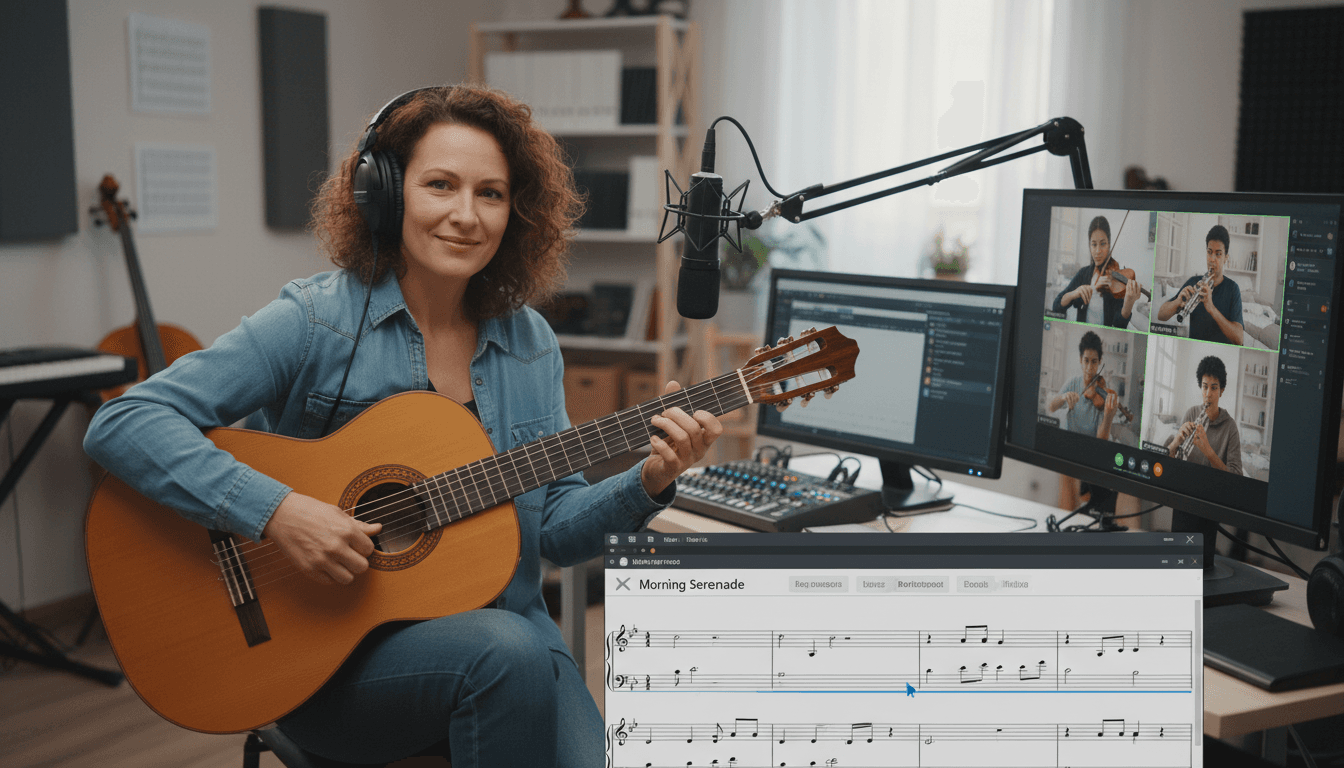
Music Teacher Newsletter: Remote and Hybrid Learning Newsletter Guide
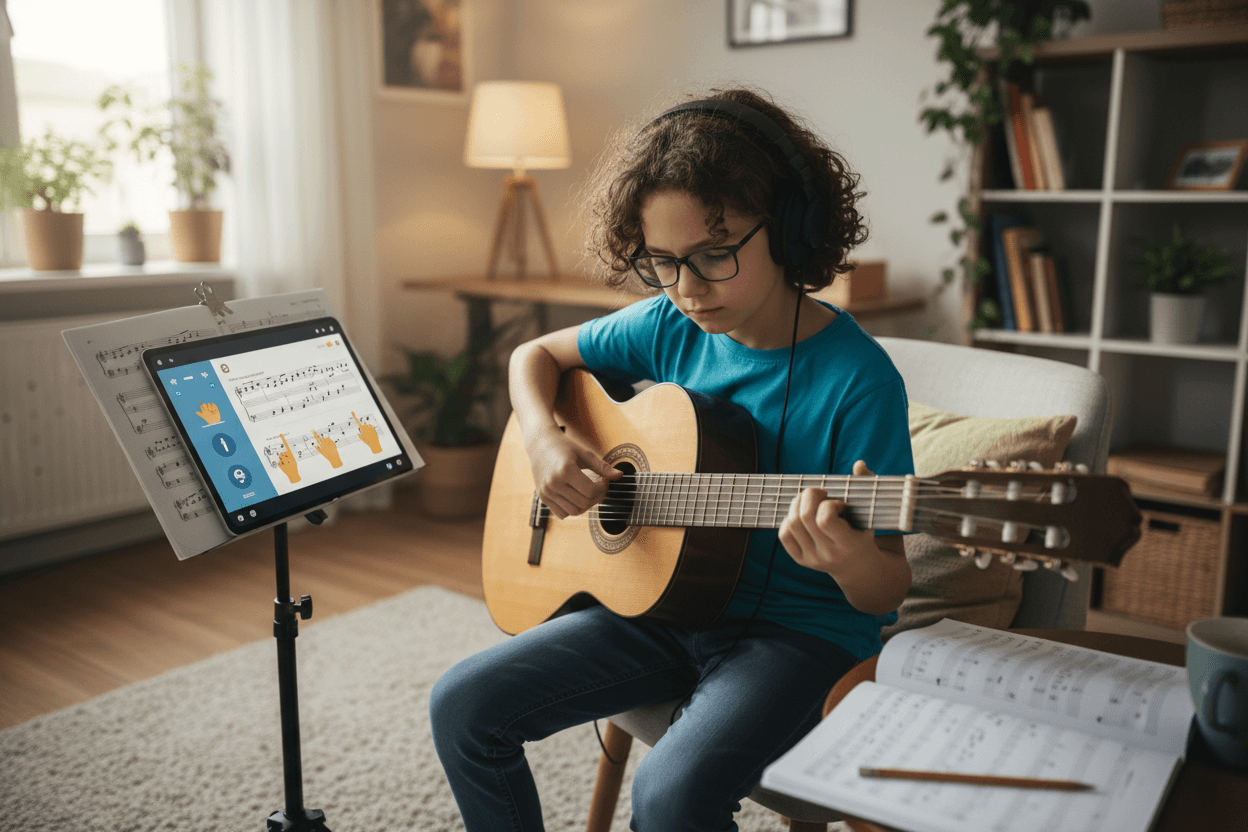
Remote music instruction presents challenges that do not exist in any other subject area. Audio latency makes synchronous ensemble playing effectively impossible. Instrument access varies dramatically from one household to the next. The physical feedback loop between teacher and student that makes in-person music instruction so effective simply does not translate to video. A strong remote learning newsletter addresses all of this honestly, explains how the class is adapting, and gives families a clear picture of what students need to do at home to keep learning.
This guide covers what to include in a music remote learning newsletter, how to communicate about technology and practice expectations, and how to keep family engagement strong when students are learning from home.
Explain the format of remote music instruction honestly
Start by being straightforward about what remote music instruction looks like and what its limitations are. If live ensemble playing is not possible due to audio latency, say so and describe what class time will look like instead: perhaps individual technique instruction, music theory discussion, listening analysis, or sectional breakout sessions. Families who understand the structure of remote class time have appropriate expectations and are more likely to view the class as valuable even when it looks different from in-person rehearsal.
Explain the weekly schedule clearly: when live sessions occur, how long they are, whether attendance is synchronous or whether students can engage with recorded sessions at their own pace, and what deadlines apply to asynchronous assignments.
Address instrument access and care expectations
Instrument access during remote learning is one of the most logistically complex aspects of a music program. The newsletter should clearly describe what the instrument checkout process looks like: which instruments students are bringing home, what documentation families need to sign, what the care expectations are at home, and what to do if an instrument is damaged or needs maintenance.
For students who cannot bring school instruments home, describe the alternative activities available and whether there are any loaner instruments, digital apps, or supplementary materials that can bridge the gap. Students who are working on theory, ear training, or body percussion exercises are still engaging with music learning even without access to a physical instrument. Tell families exactly what those students should be doing each week so that no student is simply waiting for in-person school to resume.

Give families specific technology instructions
Music remote learning often involves more technology than other subjects: a video conferencing platform for live sessions, a digital sheet music app, a metronome or tuning app, a recording platform for video submissions, and possibly a music theory website or game for supplementary practice. The newsletter should list every platform and app students will use, explain how to access them, and note whether there is any cost involved.
Walk families through the most important technical steps in plain language. If students need to download a tuning app before their first remote session, name the app, specify whether it is available for both iPhone and Android, and explain what it is used for. If students will be submitting video recordings, explain the file format, the maximum duration, and where to submit. Families who receive clear technical instructions before the first session have a dramatically better experience than those who encounter a new platform for the first time during class.
Set a realistic and specific home practice expectation
Home practice is always important in music education, but it becomes the primary vehicle for skill development during remote learning. The newsletter should state your expectation in specific terms: how many days per week students should practice, how long each session should be, and what they should focus on during that time.
For students with instruments at home, give a structured practice guide: warm-up exercises, technique work, and repertoire review. For students without instruments, describe an equivalent investment of time: 15 minutes of ear training, 10 minutes of music theory review, and 5 minutes of rhythmic listening. These concrete assignments give families a way to support home practice even when they have no musical background themselves.
Explain how student progress will be assessed remotely
Remote assessment in music requires a different approach than in-person playing tests. Tell families what evidence of learning you will be collecting: video recordings of practice exercises, digital theory assignment submissions, listening response journals, or virtual audition recordings. Explain how often students should expect to submit work and what the evaluation criteria are.
If your grading approach has changed during remote learning, be direct about what changed and why. A shift from performance-based grades to participation and submission-based grades is a reasonable adaptation, but families should understand it rather than be surprised by it at report card time. Transparency about remote assessment builds trust and helps students stay focused on the activities that matter most.
Maintain the social dimension of ensemble membership
One of the most significant losses in remote music instruction is the social experience of performing as part of an ensemble. Students who play in band, orchestra, or choir are part of a musical community, and remote learning can make that community feel distant and abstract. The newsletter can acknowledge this loss honestly and describe what you are doing to maintain connection.
Consider sharing virtual ensemble recordings, spotlighting student practice videos, or organizing small-group sectionals via video conference. Tell families what the social dimension of the program looks like during remote instruction and how students can stay connected to their ensemble. Students who feel connected to their musical community are more motivated to practice independently, and families who see that community investment are more likely to prioritize instrument practice alongside academic homework.
Look ahead to the return to in-person instruction
Close the newsletter with a forward-looking note about what students who maintain strong practice habits during remote learning will be ready for when in-person instruction resumes. Frame remote learning as a period that can build individual skills and musical understanding even without the ensemble experience.
Students who use remote periods to strengthen their music theory foundation, develop cleaner technique on scales and exercises, and build their listening vocabulary often return to ensemble rehearsals with greater musical awareness than they had before. That is a genuine benefit worth naming, and families who hear it are more motivated to support the work that remote music learning requires.
Get one newsletter idea every week.
Free. For teachers. No spam.
Frequently asked questions
What are the biggest communication challenges in remote music instruction?
The biggest challenges are audio latency during live video sessions, instrument access for students who cannot take instruments home, and maintaining the ensemble experience when students cannot play together in real time. A remote learning newsletter addresses these by explaining them honestly to families, describing how the class is being restructured to work within those constraints, and giving parents specific ways to support practice at home when the teacher is not present. Families who understand why synchronous ensemble playing is technically difficult during remote learning are far more patient than families who simply notice that rehearsal sounds different.
How should music teachers handle instrument access during remote learning?
Address instrument access directly in the remote learning newsletter. Explain which students will be bringing instruments home, what the checkout process looks like, and what care expectations apply when the instrument is outside of school. For students without access to a physical instrument, describe what alternative activities are available: music theory work, listening journals, digital instrument apps, rhythm exercises, or ear training activities. Families need to know what their student is expected to do at home before they can support that work.
What technology do families need to support remote music instruction?
Be specific about the technology requirements in the newsletter. Name the video conferencing platform students will use, any apps or websites students need to access, and whether those resources are free or require a subscription. If your school is providing devices, say so. If families need to use their own, mention minimum requirements and whether a phone, tablet, or laptop works. For instrument practice, mention whether students will need a metronome app, a tuning app, or access to digital sheet music. Families who know what they need can prepare before the first remote session rather than scrambling during it.
How do music teachers grade students fairly during remote learning?
Explain your modified grading approach in the newsletter. Many music teachers shift toward a portfolio or project-based model during remote learning: students submit video recordings of practice exercises or short performances, complete digital theory assignments, or maintain a listening journal. Tell families what evidence of learning you are collecting, how it is being evaluated, and how often students should expect to submit work. Transparency about grading expectations during an unusual learning environment reduces family anxiety and helps students stay focused on the right activities.
How does Daystage help music teachers stay connected with families during remote instruction?
Daystage gives music teachers a clean, reliable way to send weekly or bi-weekly newsletters during remote learning periods without relying on families to check multiple platforms for updates. You can communicate practice assignments, technology instructions, schedule changes, and performance video links all in one email that families actually receive and open. Seeing read rates helps you identify families who may be disconnected so you can follow up through the school's contact system before a student falls too far behind.

Adi Ackerman
Author
Adi Ackerman is a former classroom teacher and curriculum writer with 8 years in K-8 schools. She writes about school communication, parent engagement, and what actually works in real classrooms.
More for Subject Teachers
Ready to send your first newsletter?
3 newsletters free. No credit card. First one ready in under 5 minutes.
Get started free