
Music Teacher Newsletter: Field Trip Newsletter to Parents
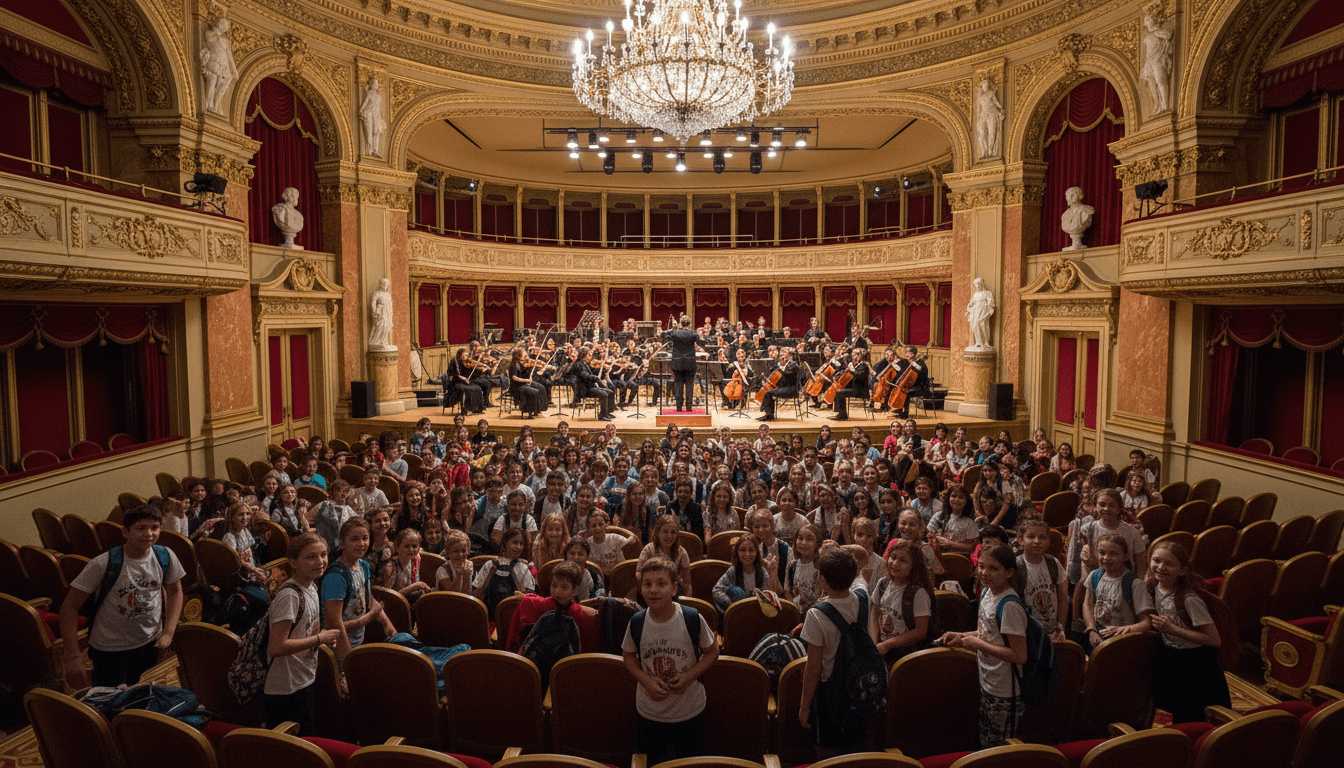
A music field trip to a symphony hall, opera house, or live performance venue is one of the most powerful experiences a music program can offer. Students who hear a live professional ensemble for the first time often describe it as transformative. A field trip newsletter sent to families before the trip does two things: it handles the practical logistics that parents need and it prepares students to experience the performance as active listeners rather than passive observers.
This guide covers what to include in a music field trip newsletter, how to explain the educational purpose of the experience, and how to set behavioral expectations that help every student get the most out of the trip.
State the destination, date, and educational purpose clearly
Open the newsletter with the basics: where students are going, when, and why. "On Thursday, May 22nd, the 7th and 8th grade orchestra will travel to the Civic Center to attend a Young People's Concert performed by the Symphony Orchestra. This experience connects directly to our current unit on orchestral form and instrumentation." That paragraph gives families everything they need to put the trip on the calendar and understand why it is happening.
Resist the urge to lead with logistics. Families read more carefully when the purpose is clear first. When they understand that the trip is a genuine extension of classroom learning and not simply a fun outing, they are more likely to read the rest of the newsletter and follow through on preparation steps at home.
Connect the performance to what students have been studying
Tell families what music students have been listening to, discussing, or performing in class that connects to what they will hear on the trip. If the program includes a Dvorak symphony, mention that the class has been exploring the Romantic period and discussing how composers used folk music elements in orchestral writing. If students will hear live jazz for the first time, explain what improvisational structure means and what students have learned about jazz form in class.
These connections turn the trip into a culminating experience rather than an isolated event. Families who know what their student is listening for before the performance can ask better questions afterward, and students who arrive at the venue with some prior knowledge engage more actively with what they hear.

Explain concert hall etiquette as preparation, not rules
Many students have never attended a professional concert, and a few have never been in a formal performance venue of any kind. The newsletter is an ideal place to explain what the experience will feel like and how to navigate it confidently. Framing this as "things you should know before you go" rather than "rules about what not to do" makes the information feel empowering rather than restrictive.
Explain that applause happens at the end of a full piece or movement, not after every section, and that the conductor or a printed program usually makes this clear. Note that silence during the performance is both a courtesy to performers and an act of listening that enhances the experience. Mention that professional performers can hear audience noise and that creating a quiet space for music to happen is itself a form of participation. Students who understand the reasoning behind concert etiquette are more likely to follow it thoughtfully.
Describe the listening experience students will have
Help families and students visualize what the field trip will actually look and feel like. Will students receive printed programs with notes about each piece? Will there be a pre-concert talk by a musician or conductor? Will students have any opportunity to ask questions or try an instrument? Will they sit in the main hall or in an education space designed for school groups?
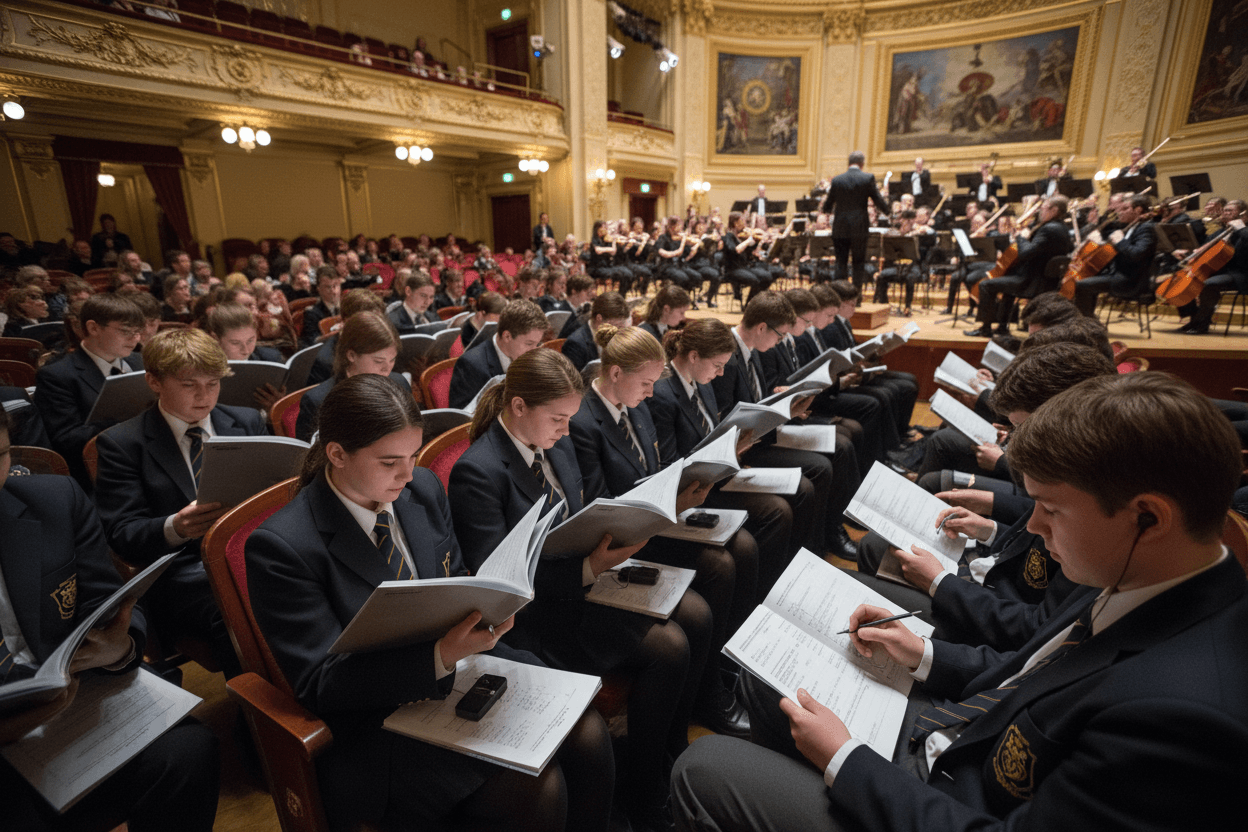
If students will be given listening guides to complete during or after the performance, mention this in the newsletter and explain how they should be used. Families whose students bring a listening guide home after the trip have an immediate conversation starter and a tangible connection to the experience. These details also signal to families that the trip is educationally structured and not simply an afternoon away from school.
Cover all logistics without omitting any practical detail
Logistics for a concert field trip are different from those for a science museum or historical site. Cover the departure and return times clearly. Specify dress code: are students expected to dress in their concert attire, in school uniform, or in casual clothing? Clarify what students should bring: a bag or backpack, a sack lunch, a water bottle, a listening guide or journal, a pencil. Note what is not permitted in the concert hall: phones, cameras, food, drinks, or large bags.
Include permission slip and payment deadlines with the specific consequence for late submissions: students who do not return permission by the deadline cannot attend. Give a clear process for families with financial hardship so that cost is not a barrier to participation without requiring families to ask in front of others.
Invite chaperones with a specific role description
Chaperones for a concert field trip play a more passive role during the performance itself than they do on other types of trips. The most important moments for chaperone support are transit, arrival at the venue, seating, and intermission. Be specific in the newsletter about what you need: the number of chaperones, whether they attend the concert at no cost, and what their specific responsibilities are.
Families who have never chaperoned a music trip sometimes worry about not knowing enough about music to be useful. Reassure them that no musical knowledge is required and that the primary responsibility is maintaining group cohesion during movement. The enthusiasm of a parent who loves being part of a concert experience adds energy that students notice.
Prepare students and families for the impact of live music
Close the newsletter by acknowledging what a live performance experience can do that recorded music cannot. The physical resonance of a full orchestra in a concert hall, the visual experience of watching musicians perform together in real time, and the shared silence of an audience fully engaged with a piece of music are experiences that stay with students for years.
Encourage families to ask their student about the trip afterward: What was the loudest moment? What surprised them? Did anything sound different live than it does recorded? These conversations extend the learning and reinforce the connection between the concert experience and the music education students are receiving in your classroom every day.
Get one newsletter idea every week.
Free. For teachers. No spam.
Frequently asked questions
What should a music field trip newsletter include?
A music field trip newsletter should cover the destination and performance type, the educational purpose of the trip, logistics including departure time, return time, dress code, and what to bring, permission and payment deadlines, and behavioral expectations at a professional venue. For concert hall visits specifically, explain audience etiquette: when to applaud, how to enter and exit during a performance, how to use a program, and why silence during music matters. Families who receive this context arrive on trip day without unnecessary questions and students arrive prepared to participate fully.
How should music teachers connect the field trip to classroom learning?
Tell families specifically what students have been studying that the field trip reinforces. If the ensemble has been working on a Beethoven symphony in listening class, explain that students will hear a live performance of that work and discuss what is different about hearing it live versus recorded. If students have been studying orchestral instruments, the trip gives them a chance to identify those instruments in a real performance context. When families understand the connection between the experience and the curriculum, they are more likely to discuss the trip with their student afterward, extending the learning beyond the school day.
How do music teachers explain concert hall etiquette to families without sounding condescending?
Frame etiquette as preparation, not correction. Open with something like: 'Concert halls have different behavioral expectations than most places students visit, and we want every student to feel confident and prepared.' Then explain the specific expectations: applause happens between movements only in some contexts, phones and cameras are typically not permitted, food and drinks are usually not allowed in the hall, and moving to your seat during a performance is generally discouraged. Framing these as things to know rather than rules students might break keeps the tone positive and useful.
What chaperone information should be in the music field trip newsletter?
Tell families how many chaperones you need and what the chaperone responsibilities will be. For a concert trip, chaperones primarily manage group movement during transit and intermission since students will be seated and listening during the performance itself. Clarify whether chaperones are admitted free or at a reduced rate. Specify whether siblings can attend. Set a deadline for chaperone sign-ups. Families who know exactly what they are being asked to do and by when are more likely to volunteer.
How does Daystage make it easier to send music field trip newsletters?
Daystage lets music teachers send a complete, professional-looking field trip newsletter in one step rather than posting the same information across multiple platforms. Permission details, logistics, educational context, and etiquette guidance all go in one email that families can save and reference. You can see which families opened the newsletter and send a quick follow-up reminder to families who have not responded by the permission deadline, reducing the last-minute scramble that comes from incomplete permission returns.

Adi Ackerman
Author
Adi Ackerman is a former classroom teacher and curriculum writer with 8 years in K-8 schools. She writes about school communication, parent engagement, and what actually works in real classrooms.
More for Subject Teachers
Ready to send your first newsletter?
3 newsletters free. No credit card. First one ready in under 5 minutes.
Get started free