
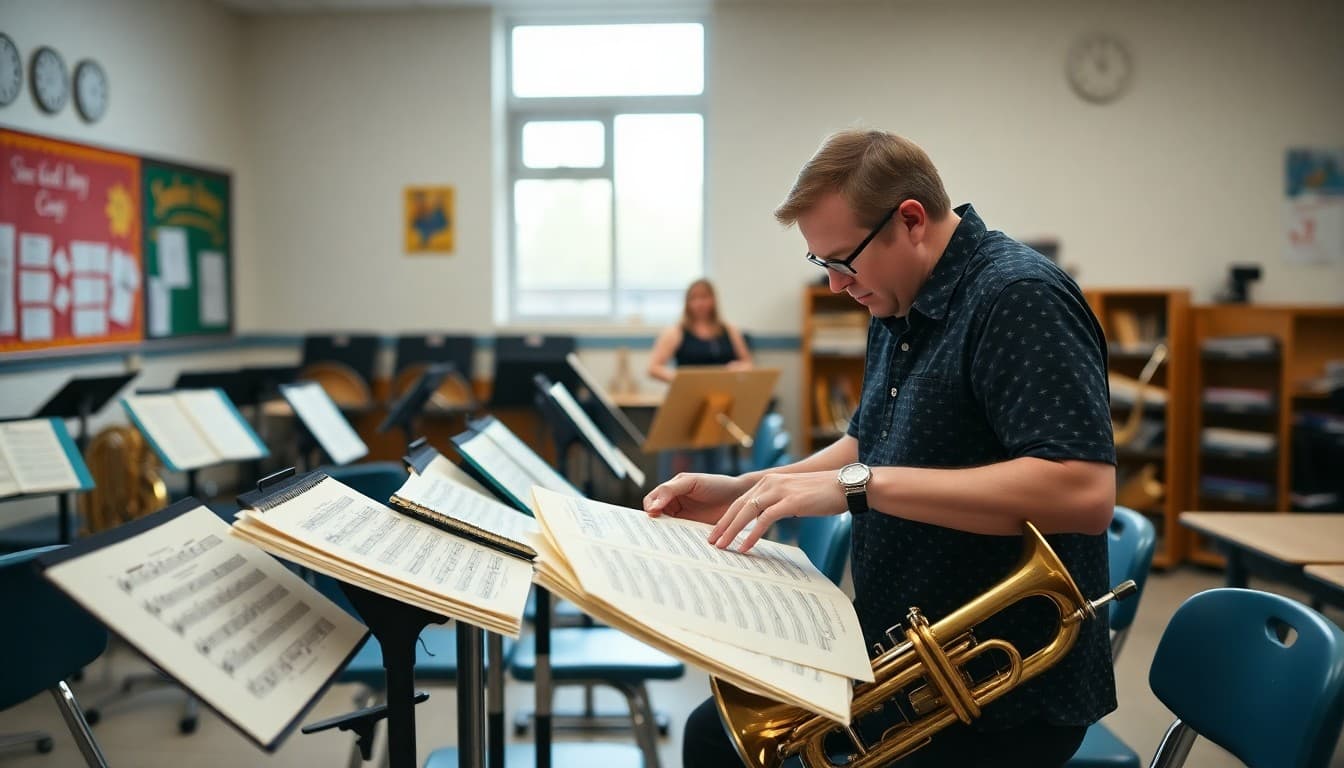
Music Teacher Newsletter: Setting Up the Year for Students and Families
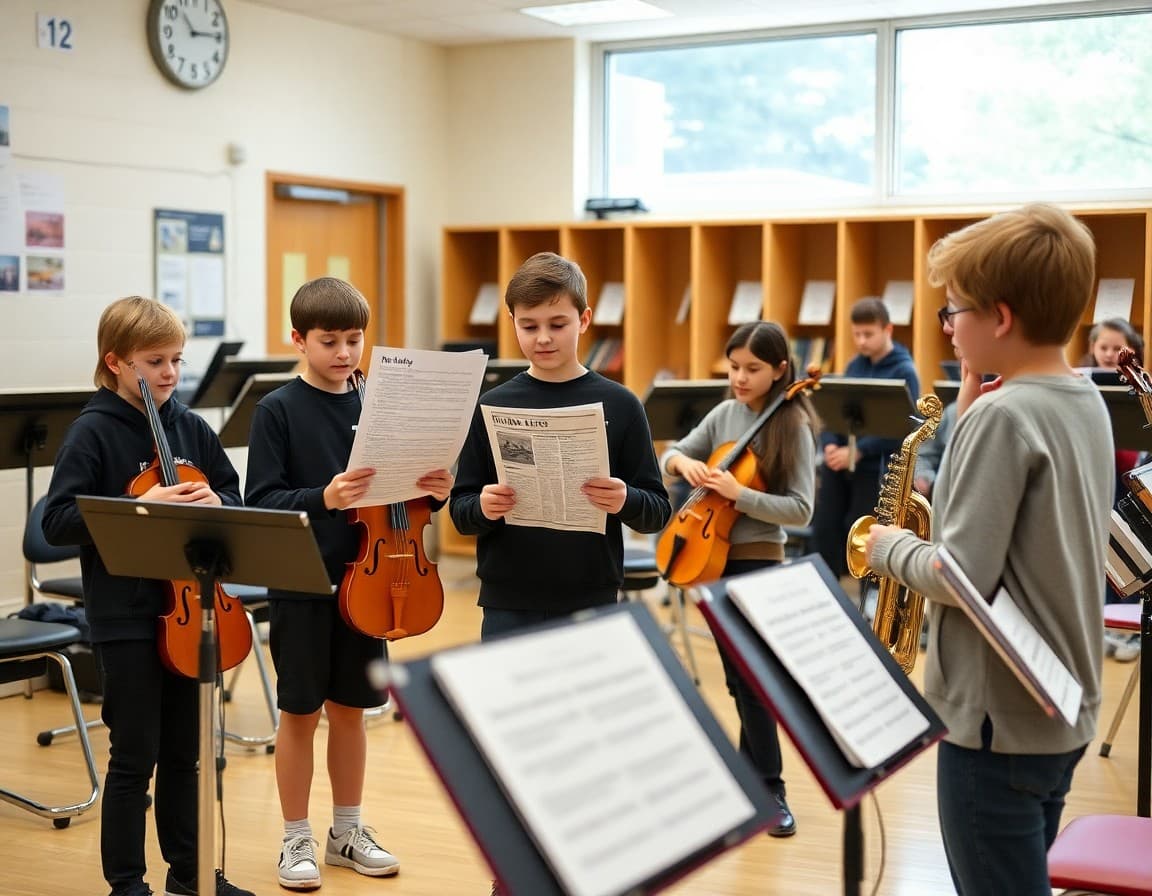
Music programs depend on families in a way that most school subjects do not. A student who forgot their math textbook is mildly inconvenienced. A student who did not practice, whose instrument is broken, or who has a concert conflict is a problem that takes weeks to correct. The beginning-of-year newsletter for a music program is where you establish the partnership with families that makes the year work.
Introduce yourself and the program's musical goals
"I have taught band at this school for seven years" is less compelling than "this year we are preparing for our first concert tour, working toward a Superior rating at the regional festival, and introducing three new contemporary ensemble pieces alongside the classical repertoire." Lead with what the program is building toward, not your credentials. Families who understand the musical ambition of the program take it more seriously than families who think of band as an elective extracurricular.
If your program has a specific repertoire direction or performance philosophy, say so. "In this ensemble we learn to play music expressively, not just correctly. Getting the right notes is the floor, not the ceiling. Students who only ever play the notes will plateau quickly. Students who listen to each other and adjust their dynamics, tone, and phrasing in real time are the ones who make the ensemble sound like a cohesive group."
Set practice expectations with specificity
Name the expected minutes per day, the number of days per week, and what productive practice looks like versus unproductive practice. "Beginning ensemble students: 20 minutes daily, five days per week. Intermediate students: 30 minutes daily. Advanced students: 45 minutes to one hour daily. Playing from beginning to end without stopping is not productive practice. It is auditory review. Productive practice isolates the measures that are not clean, slows them down, and repeats them until they are reliable before bringing them back to tempo. Students who practice this way progress at two to three times the rate of students who just run through the piece."
Cover instrument logistics comprehensively
Instrument care and rental questions are the most common family inquiries in the first two weeks of school. Answer them in advance. Here is a newsletter excerpt that handles this:
"Instrument information: The school provides instruments for percussion, baritone, tuba, and bass clarinet. All other instruments are the family's responsibility. Recommended rental vendors in our area: [Vendor A], [Vendor B]. Rental is typically $18 to $28 per month and includes maintenance. Before purchasing an instrument, please contact me. Budget instrument brands sold online often have intonation and mechanical problems that make them impossible to play in tune with an ensemble, even after repair. A quality school rental instrument costs less in the long run than a cheap purchase that cannot hold its pitch. Needed accessories for all students: valve oil or rosin or reed type (depending on instrument), cleaning swabs, instrument case, and a music stand for home practice."
Publish the full concert calendar with attendance policy
Give families every concert and performance date in September. "Full performance calendar for this year: Fall Concert (required): December 10, 7:00 PM, school auditorium. Winter Festival (required): December 18, 6:30 PM, school auditorium. Regional Festival (required for selected students): February 27-28. Spring Concert (required): May 6, 7:00 PM, school auditorium. Graduation Ceremony (required for selected students): June 12. All required performances are part of the ensemble grade. Students who miss a required performance without prior approval receive an incomplete for the performance component. If a conflict exists, contact me as soon as you know, not the week before."
Explain what concert dress is and when students need it
Concert dress generates many family questions, especially for families new to music programs. "Concert dress for all students: black dress pants or formal skirt (knee length or longer), black dress shirt or blouse, black closed-toe shoes. No jeans. No sneakers. No athletic wear. If your family needs help acquiring concert dress, let me know privately and I will connect you with resources." Name the exact requirements so families are not guessing.
Set your communication plan for the year
Music programs generate more parent communication touchpoints than most subjects: instrument repairs, concert logistics, practice progress, chair placements, and soloists. Tell families how you handle each. "I send a monthly newsletter with the current repertoire, upcoming performance details, and practice focus areas. For instrument repair needs, I send an individual note home with the student and follow up by email. For urgent concert logistics changes, I send a direct email to all families. I check email on school days and respond within 24 hours."
Close with one thing families can do at home right now
End with a concrete family action. "The most useful thing you can do this week to set up a good year: create a practice space at home. It does not need to be elaborate. It needs to be the same place, with the music stand already set up, every day. Students who practice in the same place at the same time build the habit faster than students who set up each time from scratch. Fifteen minutes in a reliable space beats 30 minutes of hunting for the music." Simple, specific, and immediately actionable. That is the note to close on.
Get one newsletter idea every week.
Free. For teachers. No spam.
Frequently asked questions
What should a music teacher cover in a beginning-of-year newsletter?
Cover six areas: your teaching philosophy and what students will develop this year, the performance ensemble's objectives and repertoire approach, practice expectations and how much time students should practice at home, instrument care and rental information if applicable, the full concert and performance calendar for the year, and how you communicate with families. Music programs depend more heavily on family support, specifically instrument provision and daily practice supervision, than most other school subjects. A clear first newsletter establishes that partnership from the start.
How do I explain daily practice expectations to parents who are new to music programs?
Be specific about time and what productive practice looks like. 'Students at this level should practice 20 to 30 minutes per day, five days per week. This is not optional. Instrument skills decay rapidly without daily practice, and students who practice less than 15 minutes per day are unlikely to keep up with the ensemble. Productive practice is not playing through the piece from beginning to end repeatedly. It is identifying the specific measures that are not clean and working on those specifically, slowly, until they are.' Families who know what to listen for are better practice supervisors.
How do I handle instrument rental and purchase information in the newsletter?
Name the instrument options, the rental vendors you recommend, the approximate monthly cost, and what additional accessories students need. 'If your student is renting through [vendor], the monthly cost is $18 to $25 for most band instruments. Rental includes basic maintenance. Students also need a cleaning kit ($8 to $12, available through the school store) and an appropriate case. If you are considering purchasing an instrument, please contact me before buying. Many instruments marketed for students at low prices are difficult to play and impossible to keep in tune, which discourages students and creates repair expenses that cost more than a quality rental.'
Should I include the full concert calendar in the beginning-of-year newsletter?
Yes, with all dates confirmed. Families who receive concert dates in September can plan around them for the full year. 'Our performance calendar: Fall Concert, December 10 at 7:00 PM in the school auditorium. Winter Festival, December 18 at 6:30 PM. Spring Concert, May 6 at 7:00 PM. All performances are required for ensemble credit. If a student has a conflict, they must notify me at least two weeks in advance. We will work out a makeup option in cases of genuine scheduling conflict.' Listing required attendance explicitly prevents last-minute absences.
What platform works well for music teacher beginning-of-year newsletters?
Daystage works well because music programs often have more family information to communicate at the start of the year than other subject areas. A clean, readable email that covers practice expectations, instrument logistics, concert dates, and your communication plan, sent directly to family inboxes, creates a professional first impression and gives families a document they can save and reference. For teachers who send monthly updates, having the beginning-of-year newsletter in the same platform as all subsequent sends keeps the communication organized and consistent.

Adi Ackerman
Author
Adi Ackerman is a former classroom teacher and curriculum writer with 8 years in K-8 schools. She writes about school communication, parent engagement, and what actually works in real classrooms.
More for Subject Teachers
Music Teacher Newsletter Guide: Keeping Families Connected to the Music Program
Subject Teachers · 7 min read
After-School Program Newsletter Guide: Keeping Families Engaged Beyond the School Day
Subject Teachers · 6 min read
Drama Teacher Newsletter Guide: Communicating About Theater Productions
Arts & Music · 6 min read
Ready to send your first newsletter?
3 newsletters free. No credit card. First one ready in under 5 minutes.
Get started free