
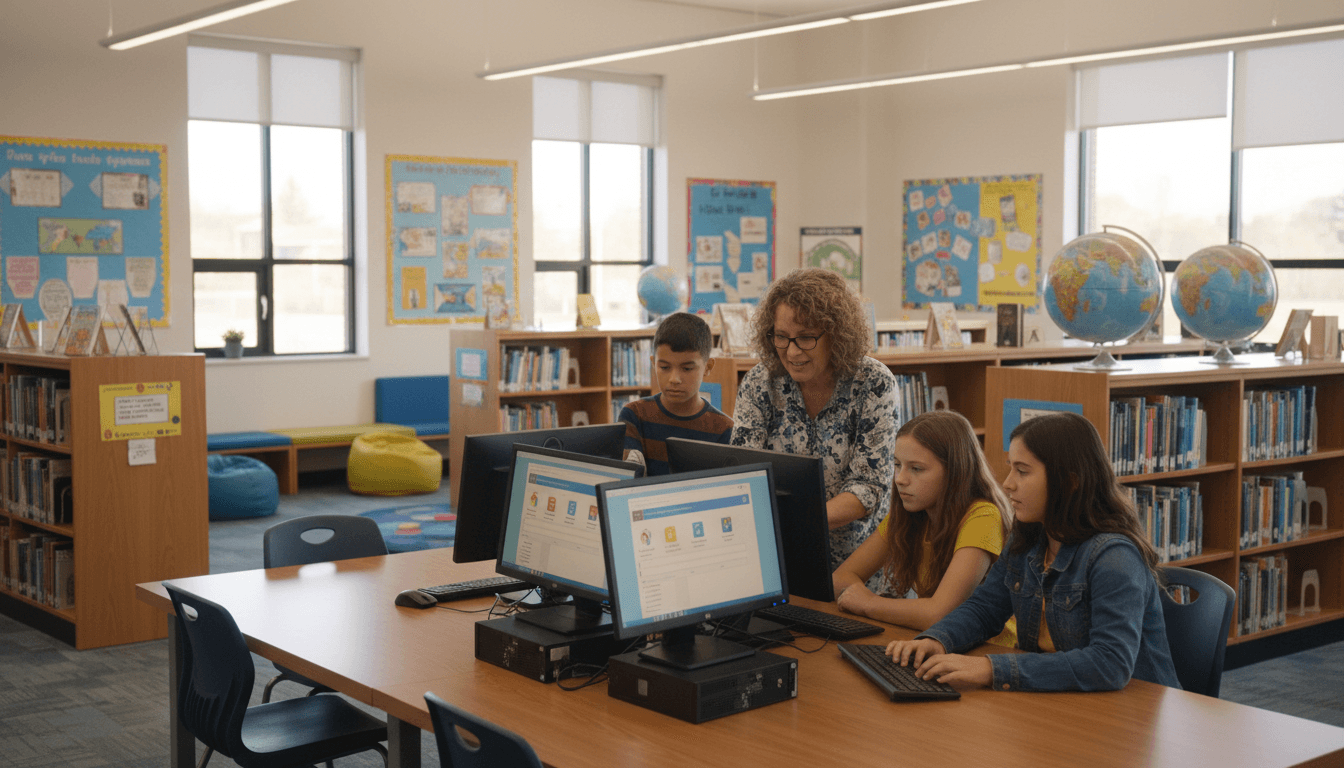
Library Teacher Newsletter: Test Prep Newsletter for Parents
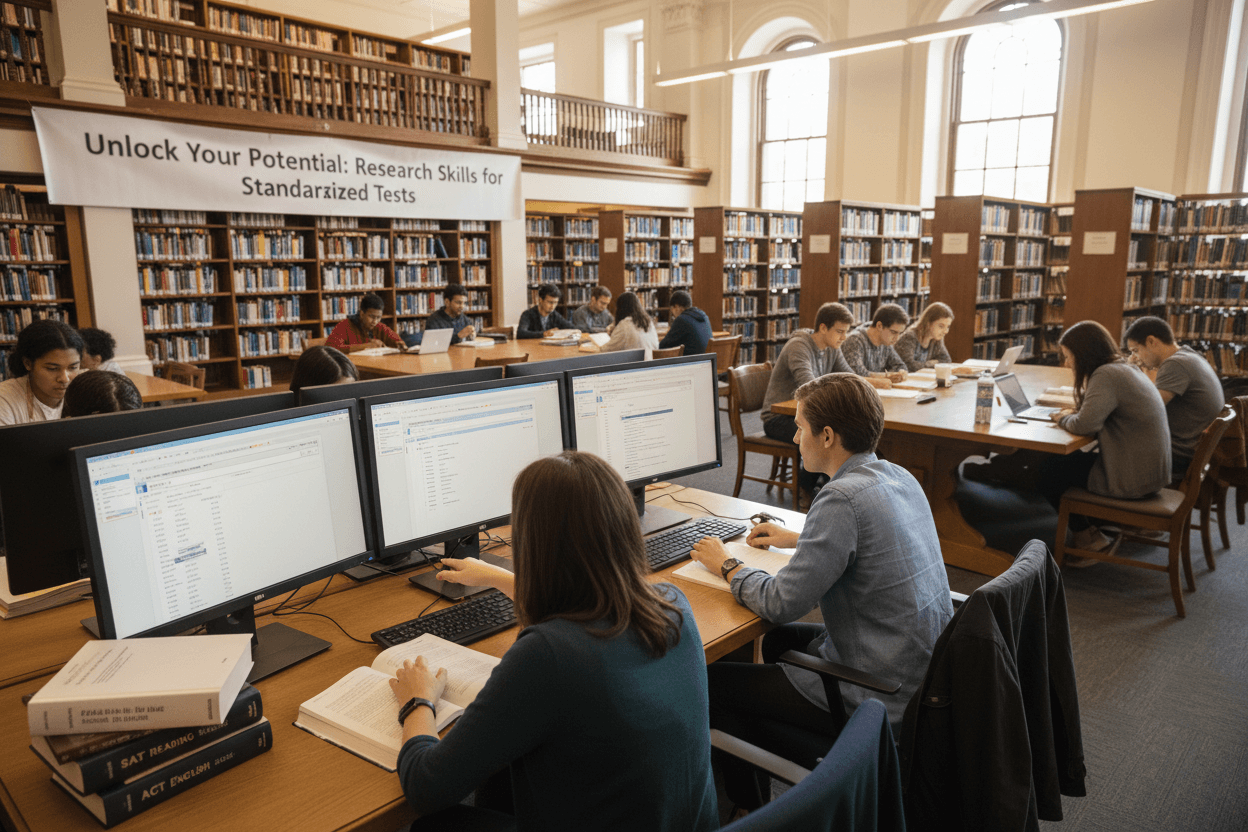
Most families do not think of the school library when they think about test preparation. They think of the math teacher and the ELA teacher, not the librarian. A well-written library test prep newsletter changes that. It shows families exactly how information literacy skills, nonfiction reading strategies, and research process knowledge connect to what their child will face on an upcoming assessment.
This guide covers what to include in a library teacher test prep newsletter, how to explain assessment connections in plain language, and how to give families specific actions they can take at home to reinforce library skills before test day.
Name the specific skills being assessed in library or information literacy class
A library test prep newsletter should open with a clear, specific list of the skills the assessment will cover. Avoid vague language like "research skills" or "library knowledge." Instead, be specific: "Students will be assessed on their ability to identify a credible source versus an unreliable one, use the library's online database to locate a relevant nonfiction article, and write a properly formatted citation."
This level of specificity helps families understand what "library class" actually involves at a skill level. It also gives parents vocabulary to use when their child comes home from school. When a parent can ask "Can you find a credible source on that?" rather than "Did you do anything in library today?" the conversation becomes substantive.
Connect library skills to the standardized test reading section
Many state standardized tests include nonfiction reading passages, paired-text comparisons, and information synthesis tasks that draw directly on library literacy skills. If your students are approaching a standardized assessment, your newsletter should make this connection explicit.
"The nonfiction reading section of the upcoming state assessment asks students to compare two sources on the same topic and identify how the authors' purposes differ. This is exactly the skill we practice in library class when students evaluate a Wikipedia entry against a database article on the same subject." That sentence repositions library instruction as test prep, because it is.
Explain what Dewey Decimal, database, and citation skills look like in practice
Terms like Dewey Decimal System, bibliography, and database search are familiar to librarians and opaque to most families. A test prep newsletter is a good opportunity to demystify the vocabulary. "Students are currently learning to use our library's database, which is like a search engine that only shows credible, reviewed sources rather than anything posted to the internet."
When families understand the tools their child is learning to use, they can reinforce that learning at home. "The next time your child is researching something for a school project, ask them to use the library database instead of a general search engine and explain why the sources they find there are more reliable."
Give families one or two specific reading strategies to practice before the test
Nonfiction reading strategies are teachable, and families can practice them at home with any newspaper, magazine, or informational website. Your newsletter should name the specific strategies students are using in the library and explain how families can apply them.
"Before reading a nonfiction article, ask your child to scan the title, subheadings, and any photos or captions first. Ask them what they think the article will be about based on those features alone. This previewing strategy improves comprehension and is a skill that appears directly on reading assessments." One strategy explained well is more useful than five strategies listed briefly.
Address reading level and Lexile in plain language
If your library assessment includes reading level benchmarks or Lexile targets, explain what those mean without jargon. "Your child's Lexile score measures the complexity of text they can read with strong comprehension. Our library assessment this month will confirm where students currently fall and help us match them with books that are appropriately challenging without being frustrating."
Offer one home practice suggestion tied to reading level: "Ask your child to pick a book from our library that they chose themselves and read 20 minutes a day in the two weeks before the assessment. Self-selected reading at an appropriate level improves both fluency and comprehension scores more reliably than any other single practice."
Note what happens after the library assessment
Close the newsletter with a brief statement about what comes next. Will students receive individual reading level results? Will library research projects shift based on assessment outcomes? Will you send reading recommendations home based on each child's Lexile range? Tell families what to expect and when.
"After the assessment, I will send home each student's current reading level and three book recommendations at their Lexile range. I am also happy to pull a personalized book list for any student who visits the library during lunch." That closing turns the newsletter into an invitation rather than a one-way announcement.
Daystage makes library test prep newsletters easy to build and track
School librarians often communicate across multiple grade levels with different assessment timelines. Daystage lets you build grade-specific test prep newsletter templates and send them to the right class lists without juggling separate documents. Track open rates so you know whether families are reading your newsletters before the assessment window closes. A library program that communicates clearly is one families and classroom teachers take seriously when test season arrives.
Get one newsletter idea every week.
Free. For teachers. No spam.
Frequently asked questions
What kinds of assessments do school librarians communicate about in test prep newsletters?
School librarians assess research process skills, information literacy benchmarks, digital citizenship knowledge, and reading comprehension through library-based projects. They also support teachers during standardized testing seasons by helping students practice nonfiction reading strategies, use databases to locate credible sources, and evaluate information quality. A library test prep newsletter might address any of these, depending on what assessment is approaching and how library skills connect to it.
How can a library teacher newsletter help families support reading comprehension before a standardized test?
A librarian newsletter can guide families toward specific reading strategies students are practicing in the library: previewing nonfiction text features like headings, captions, and sidebars before reading; asking 'what is the author's purpose?' after reading a passage; and identifying whether a source is fact or opinion. These strategies mirror what appears on reading comprehension assessments and give families a concrete way to practice at home with any nonfiction text.
Should a library newsletter explain what information literacy means to parents?
Yes, briefly. Most parents are unfamiliar with the term. A single sentence works: 'Information literacy means students can find, evaluate, and use information accurately and responsibly.' Then follow it with the specific skills the assessment covers: identifying credible sources, citing information correctly, recognizing bias, or using a database to locate primary sources. Concrete skills are more useful than abstract vocabulary.
How does library research skill instruction connect to standardized test reading passages?
Many standardized tests include nonfiction reading passages that require the same skills librarians teach: identifying main idea, summarizing key details, evaluating an author's claims, and distinguishing fact from interpretation. When a librarian newsletter names this connection explicitly, families understand why library class matters during testing season. It also positions the library program as integral to academic performance rather than supplementary to it.
How does Daystage help school librarians send test prep newsletters efficiently?
Daystage lets school librarians build a reusable test prep newsletter template that connects library research skills to upcoming assessments. Update the specific skills being assessed and the home practice suggestions, and send to families in under ten minutes. Families receive a professional newsletter that explains the library's role in academic preparation, and you can track open rates to see whether your communication is reaching the families who need it most.

Adi Ackerman
Author
Adi Ackerman is a former classroom teacher and curriculum writer with 8 years in K-8 schools. She writes about school communication, parent engagement, and what actually works in real classrooms.
More for Subject Teachers
Ready to send your first newsletter?
3 newsletters free. No credit card. First one ready in under 5 minutes.
Get started free