
Library Teacher Newsletter: Parent Conference Newsletter Template
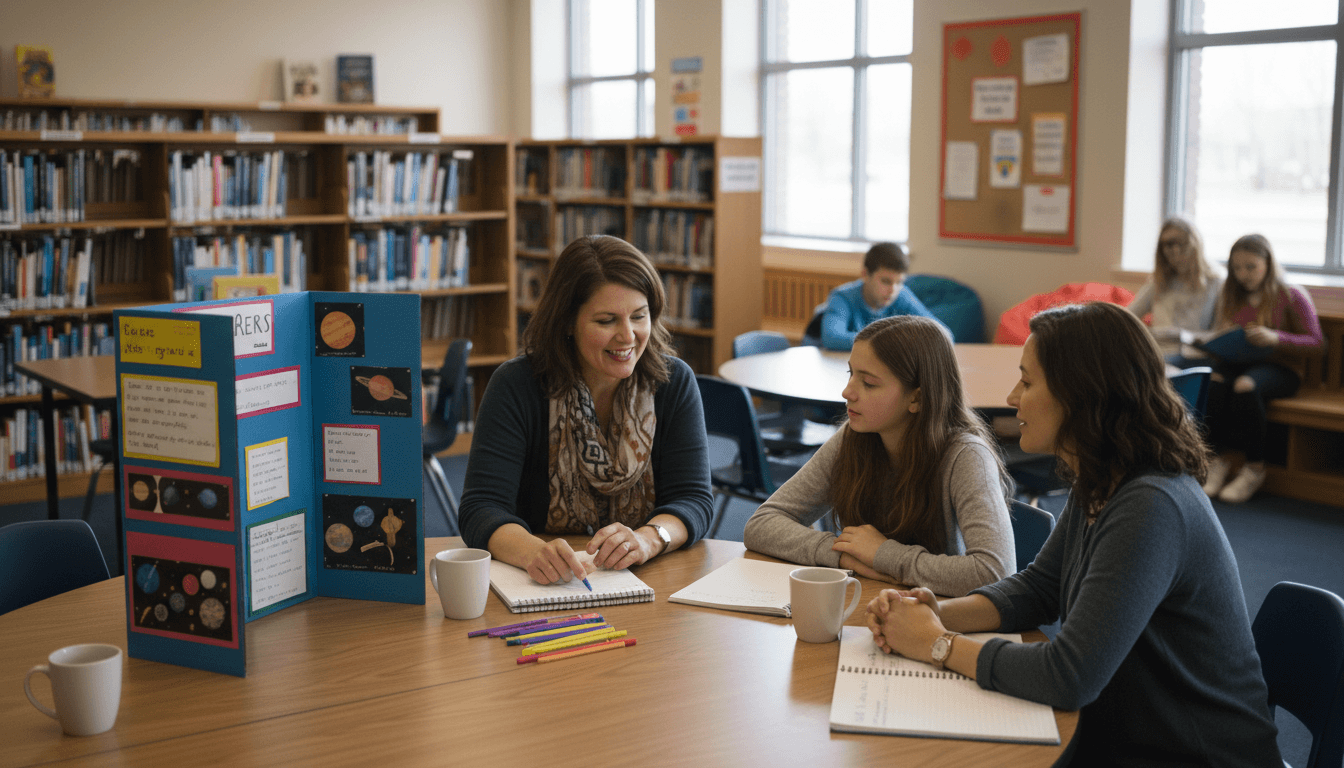
Parent conferences with a school librarian are underutilized. Most families do not know what to expect, what data the librarian tracks, or what questions to bring. A well-written pre-conference newsletter fixes all three problems before the meeting begins. It tells families what the library program assesses, previews the specific data points that will come up, and gives parents concrete questions to bring so the conversation moves quickly toward what the student actually needs.
This guide covers how to write a library teacher parent conference newsletter that prepares families, opens the right conversations, and makes your limited conference time genuinely useful.
Tell families what the library conference will cover before they arrive
Many parents are surprised to learn that a school librarian tracks data on their child at all. Your pre-conference newsletter should explain exactly what information you have and what you will discuss. A clear opening paragraph might read: "In our library conference, we will review your child's current reading level, their book checkout and reading log history, their research project work from this semester, and their progress on our information literacy and digital citizenship benchmarks."
That one paragraph eliminates the awkward opening minutes of a conference spent explaining what library class involves. Families arrive knowing the agenda and can focus on asking specific questions rather than orienting themselves to the conversation.
Explain reading levels and Lexile scores before the meeting
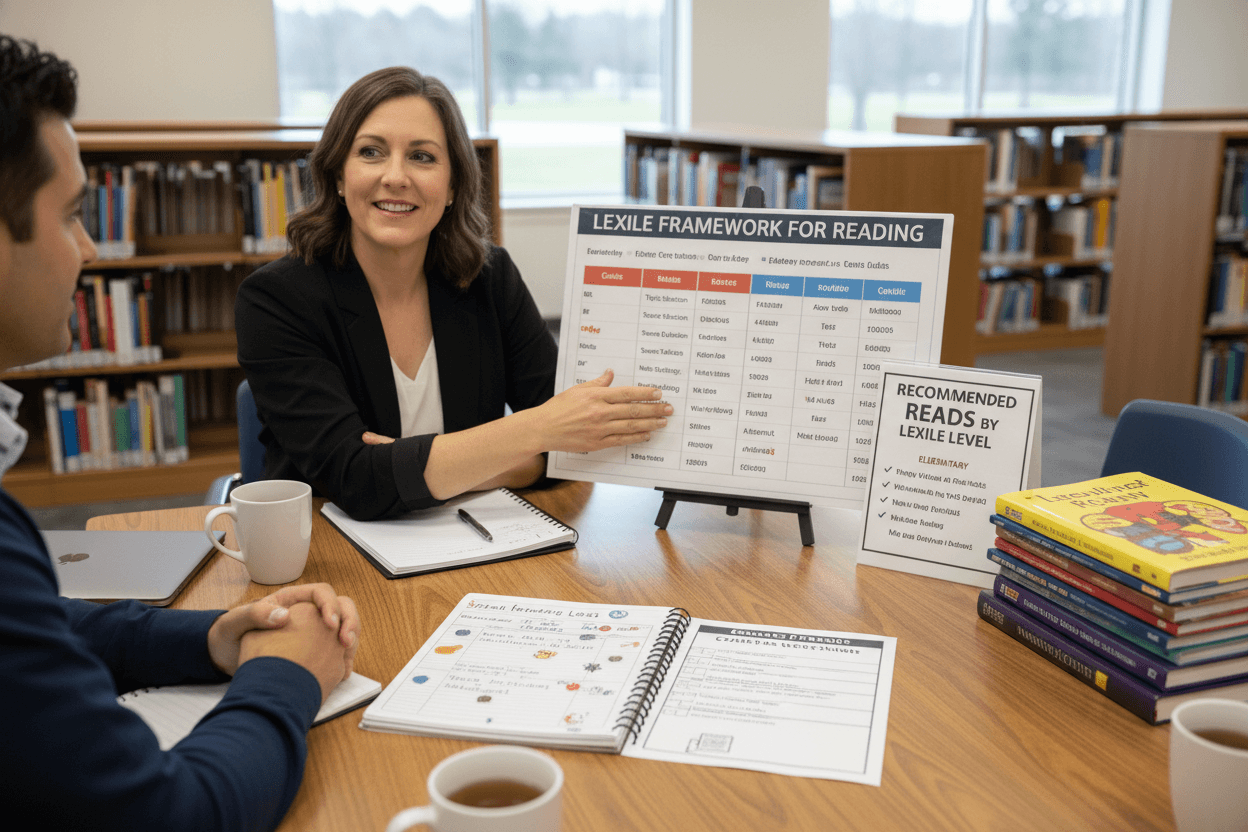
If you will discuss reading level data at the conference, define your measurement system in the newsletter first. "We measure reading level using the Lexile framework, which assigns a number to both books and readers. A student with a 600L Lexile score reads comfortably at the 3rd to 4th grade level. We use this score to recommend books that are appropriately challenging and to track reading growth across the year."
When families understand what Lexile means before they walk in, you can spend conference time discussing growth trajectories and specific book recommendations rather than defining terms. Include a brief note about what a meaningful Lexile gain looks like over a semester so families can contextualize their child's number when you share it.
Share book checkout history as a window into reading engagement
A student's checkout record tells a story about their reading habits, preferences, and engagement with independent reading. Your newsletter can prepare families to see this data by explaining what it means: "A student who checks out books regularly, tries different genres, and returns books on time is demonstrating strong independent reading habits. A student who rarely checks out books may need support finding material that interests them."
Invite families to share what they observe at home: "Before the conference, take a few minutes to think about whether your child reads independently at home, what kind of reading material they gravitate toward, and whether they talk about books or library projects. This information helps me make better recommendations."
Preview the information literacy and digital citizenship conversation
Research skills and digital citizenship are core library curriculum areas that many parents are unfamiliar with. Your newsletter should explain what these terms mean and what specific skills you assess. "Information literacy means your child can find reliable sources, evaluate them for credibility and bias, and use information accurately and ethically. Digital citizenship covers responsible online behavior, source citation, and understanding intellectual property."
Name the specific project or assessment you will reference in the conference: "We will look at your child's recent research project on primary versus secondary sources and discuss how they evaluated the reliability of different types of information." Concrete examples make abstract skills visible and discussable.
Help families prepare questions about reading recommendations
One of the most practical things a library conference can produce is a personalized reading list. Your newsletter should invite parents to come ready for this: "I will bring three to five book recommendations matched to your child's reading level and interests. If you know your child's current interests or has been looking for books in a specific genre or subject area, write it down and bring it. The more I know about what excites your child, the better my recommendations will be."
This framing positions the conference as a service for the family, not a review of deficiencies. Families who know they will leave with an actionable list arrive more engaged and leave more satisfied.
Address any overdue books or account issues in advance
If a student has overdue books or library account holds, address this in the newsletter before the conference rather than letting it become a surprise: "Before our meeting, I will send a separate note if your child has any overdue materials or account holds. Please resolve these if possible before conference day so we can spend our time on the reading and research conversation."
Handling logistics separately keeps the conference focused on the student's learning rather than administrative details. It also signals that you manage your program with care and that you respect the family's time.
Daystage helps librarians send pre-conference newsletters to every family efficiently
Conference season is busy enough without building individual communication for every family. Daystage lets school librarians send a polished pre-conference newsletter to all relevant class lists at once, customized by grade level for different reading benchmarks and curriculum focuses. Families arrive informed and ready, and you can track who opened the newsletter so you know which families may need a follow-up before their scheduled meeting time.
Get one newsletter idea every week.
Free. For teachers. No spam.
Frequently asked questions
Do school librarians typically hold parent conferences?
It depends on the school. Some librarians participate in formal conference cycles alongside classroom teachers, particularly when they assess information literacy skills, research projects, or reading level benchmarks. Others hold informal individual meetings when a parent has specific questions about their child's reading engagement or library use. Either way, a pre-conference newsletter gives families context that makes any meeting more productive.
What data should a library teacher newsletter share before a parent conference?
Share the student's current reading level or Lexile range, their book checkout history and whether it reflects independent reading engagement, any research project assessments from the semester, and a brief note on their information literacy skills: how well they evaluate sources, use databases, and cite information accurately. Sharing this context in writing before the meeting lets parents arrive with questions rather than spending the meeting establishing basics.
How should a librarian explain a student's reading level to a parent who is worried it is too low?
Frame reading level as a starting point for growth, not a verdict. 'Your child is currently reading at a 4th grade Lexile level and has gained 120 Lexile points since September, which is strong progress' is more useful than just reporting the number. Add what specific library supports are in place: book recommendations at the right challenge level, access to high-interest nonfiction series, or reading programs the student is enrolled in.
What questions should a library teacher newsletter encourage parents to bring to a conference?
Prompt parents to come with specific questions rather than general concerns. A newsletter that asks families to think about 'what you notice about your child's reading habits at home' and 'whether your child talks about books or library projects' prepares them to share information you cannot see in school. Also invite them to ask about specific book recommendations, how to extend the library's digital citizenship curriculum at home, and what reading goals are realistic for the rest of the year.
How does Daystage help school librarians prepare for parent conference season?
Daystage lets school librarians send a pre-conference newsletter to all families in a single send, covering what to expect from a library conference, what data will be discussed, and what questions to prepare. You can segment by grade level and customize the relevant reading benchmarks for each group. Families arrive informed and ready to have a real conversation, which makes every conference more efficient and more productive for the student.

Adi Ackerman
Author
Adi Ackerman is a former classroom teacher and curriculum writer with 8 years in K-8 schools. She writes about school communication, parent engagement, and what actually works in real classrooms.
More for Subject Teachers
Ready to send your first newsletter?
3 newsletters free. No credit card. First one ready in under 5 minutes.
Get started free