

Library Teacher Newsletter: Field Trip Newsletter to Parents
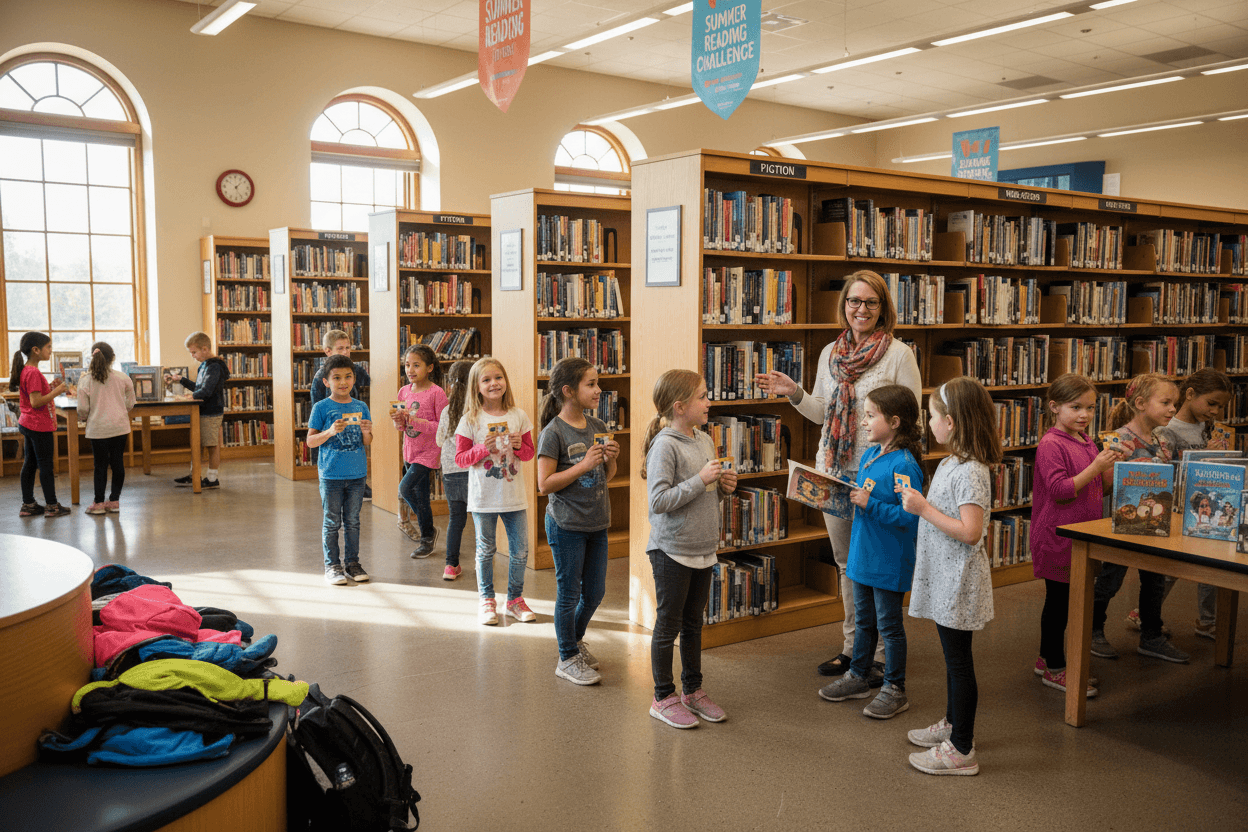
A library field trip newsletter needs to do two things well: give families all the logistics they need to prepare their child, and explain why the trip matters educationally. When families understand that a public library visit is not just an outing but a structured extension of the information literacy and reading curriculum, they engage with it differently and prepare their children more thoughtfully.
This guide covers how to write a library teacher field trip newsletter for the most common library outings: public library visits, author events, and book fair trips. Each has different logistics and different learning goals, but the newsletter structure stays consistent.
Open with the educational purpose before the logistics
Most field trip newsletters lead with the date and the permission slip. A better structure leads with the why: "Next month, our class will visit the [City] Public Library as part of our unit on information resources. Students will explore the difference between school and public library collections, practice locating books and periodicals in an unfamiliar library system, and participate in a library program led by a children's librarian."
That opening paragraph does the most important work. It tells families the trip has specific curriculum goals tied to what students are learning in the school library. The logistics follow naturally and feel like supporting information rather than the main event.
Give families the complete logistics in a clear, scannable section
After the educational context, move into a logistics section that is easy to read quickly. Include: the date and day of the week, departure time and return time, transportation method, the cost of the trip and the deadline for payment, whether students need to bring a bag or backpack, what to wear, and whether any forms need to be returned.
If the trip involves any food or an extended schedule, note whether students should bring a packed lunch or whether food is provided. If students will be in a public space rather than a supervised school building, include a note about behavior expectations and how supervision will be organized. Families with students who have anxiety or sensory sensitivities appreciate knowing the schedule in advance.
Explain the public library card process if it is part of the trip
If part of the field trip involves signing students up for public library cards, this section needs to be clear and actionable. "Students who do not yet have a [City] Public Library card can register during our visit. To do this, your child will need a signed permission form (attached to this newsletter) returned by [date]. Students do not need to bring anything else; the library will process the registration on-site."
Explain what a public library card gives students access to: the physical collection, digital databases, e-book lending, audiobook services, and any library programs available to cardholders. This framing makes getting a library card feel like a significant event, which it is for many students.
Address book purchasing logistics for book fair trips
Book fair field trips to bookstores or on-site book fairs need specific guidance about purchasing. Tell families how much money students can bring, whether purchases are cash-only or also accept other payment methods, and whether wish lists can be submitted in advance. "Students may bring up to $15 for book purchases. Cash only. Students will have 20 minutes to browse and select. Teachers will help younger students with the transaction process."
If families want to send additional money for a teacher gift or class book purchase, explain that separately. Be clear about what happens to money that is not spent and how students will carry their purchases home.
Introduce an author visit with the books families should know
For field trips to author events or author visits to the school, the newsletter should introduce the author and their work before the event. "On [date], author [Name] will visit our library. She has written [titles], which many students in our class have already read. Before the visit, we will read [title] together so students arrive with questions ready."
Let families know whether students can purchase books at the event and whether the author will sign them. If pre-purchase is available, include the ordering process and deadline. Families who know the author's work tend to ask their children more questions about the visit afterward, which extends the educational value of the experience.
Invite parent chaperones with specific role descriptions
If you need chaperones for the field trip, describe what the role involves: "Chaperones will supervise a group of four to six students in the library, help them locate books using the catalog, and assist with any purchases at the book fair." Specific role descriptions attract families who are genuinely prepared to help rather than those who come without knowing what to expect.
Include a volunteer sign-up link or reply method, the chaperone-to-student ratio you need, and the cutoff for signing up. If you need school background check clearance for chaperones, mention how long that process takes so families can start it early enough.
Daystage makes field trip logistics newsletters simple to send and track
Field trip newsletters with forms, payment deadlines, and volunteer sign-ups are the most logistically complex communications school librarians send. Daystage lets you organize all of it in a single clean newsletter email with links to the relevant forms and deadlines clearly visible. Send to your full class list and track responses so you know which families have opened the newsletter and which may need a direct reminder before the deadline closes.
Get one newsletter idea every week.
Free. For teachers. No spam.
Frequently asked questions
What kinds of field trips do school librarians typically organize?
School librarians organize a range of field trips tied to their curriculum: visits to the public library for storytelling programs or library card sign-ups, author visits at local bookstores or community events, book fair trips, and visits to special collections at university or historical libraries. Each type requires a different newsletter focus. A public library visit needs library card logistics. An author event needs background on the author's books. A book fair trip needs spending limits and purchasing guidance.
What logistics information should a library field trip newsletter include?
Cover the date, departure time, return time, transportation method, what students should bring, what they should wear, the cost of the trip and the payment deadline, and whether parent chaperones are needed. For a public library visit, also include whether students will need or receive a library card and what identification or information is required to get one. For a book fair or bookstore trip, include any spending limits and whether students should bring cash or whether purchases can be made in advance.
How should a library teacher newsletter explain the educational purpose of a public library field trip?
Connect the trip to specific library curriculum goals: 'Students will learn to navigate a large public library collection, practice locating books using the Dewey Decimal System in a new space, and meet with a public librarian who will introduce our school-age programs.' When families see the educational objectives alongside the logistics, the trip reads as a genuine learning experience rather than an outing.
How do school librarians handle library card sign-ups during a public library field trip?
Coordinate with the public library in advance to arrange group card registration. Your newsletter should tell families exactly what they need to do: 'To get a library card during our visit, your child will need a signed parental permission form (attached) and proof of address. Please complete and return the form by [date] if you would like your child to register.' Be clear that students without permission forms can still attend the trip and participate in programming.
Can Daystage help school librarians send field trip newsletters with permission forms and volunteer sign-ups?
Daystage is built for school newsletter communication and makes it easy to send a professional field trip newsletter to your class list with all the logistics clearly laid out. You can include links to permission forms, volunteer sign-up sheets, and payment portals so families have everything in one place. Tracking open rates helps you know which families have seen the newsletter and which may need a direct follow-up before the RSVP deadline.

Adi Ackerman
Author
Adi Ackerman is a former classroom teacher and curriculum writer with 8 years in K-8 schools. She writes about school communication, parent engagement, and what actually works in real classrooms.
More for Subject Teachers
Ready to send your first newsletter?
3 newsletters free. No credit card. First one ready in under 5 minutes.
Get started free