
Library Teacher Newsletter: Setting Up the Year for Students and Families
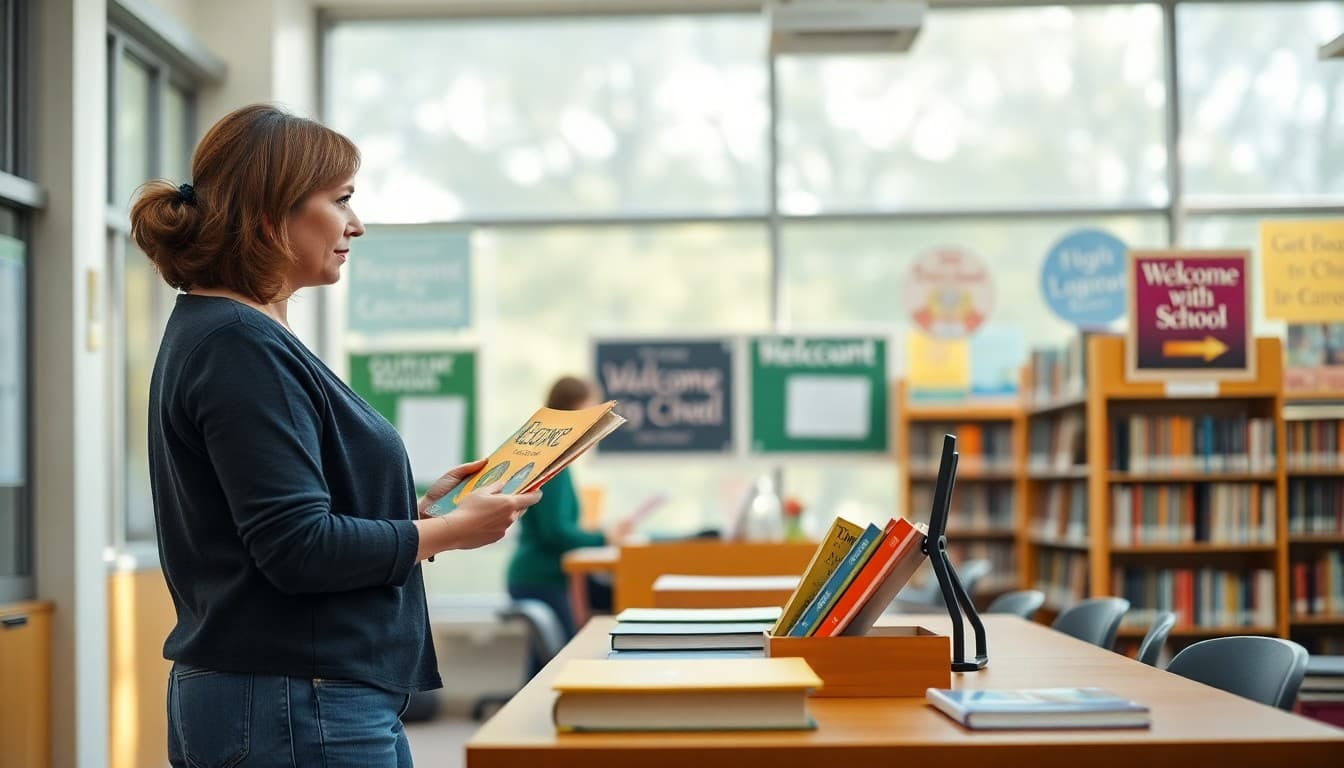
The library's beginning-of-year newsletter has a unique challenge: it serves the entire school, not a single class, and it needs to make the library feel relevant to families who may not have thought about it since their own school days. The newsletter that explains what the library actually provides, what skills the librarian teaches, and what resources students have access to from home converts the library from a room where you return books into a service students and families actually use.
Introduce yourself and the library's role in the school
"I am [name], the school librarian and library media specialist. My role is not to sit at a desk and stamp books. I teach research skills to every class in the school, collaborate with teachers to support their units, run reading programs, and maintain a collection of print and digital resources that are directly relevant to what students are learning. If your student has a research assignment due in any class, I am a resource for them." This kind of opener reframes the library position and makes the newsletter worth reading.
Explain library hours and access
Name the specific times the library is available and what students need to do to use it. "Library hours: Monday through Thursday 7:30 AM to 4:30 PM. Friday 7:30 AM to 3:30 PM. Before and after school no pass is required. During class periods, students need a library pass from their teacher. Students who are in the library without a pass will be asked to return to class and request one. The pass system is how we track where students are during the school day, not a gatekeeping mechanism."
Describe the checkout policy with clear terms
"Checkout policy: Students may check out four books at a time. Books are due in three weeks and may be renewed once if no holds exist. Overdue fines are $0.10 per day per book. Lost books are charged at the replacement cost. Students with fines over $5 cannot check out additional books until the balance is paid or a payment plan is arranged. I am flexible with payment plans. No student loses library access permanently over a fine."
Name every digital resource with access instructions
Here is a newsletter excerpt that covers digital resources:
"Digital resources available from home with your school login: Destiny Library Manager (catalog and digital book checkout) at [school link]. JSTOR (3 million academic articles) at jstor.org, login with school Google account. Britannica School (reference and encyclopedia) at school.eb.com, username: [schoolID], password: library. Gale In Context: Middle School or High School (news, reference, primary sources) at [district Gale link]. ProQuest Historical Newspapers (archives from 1851 to present) at [district ProQuest link]. Libby (ebooks and audiobooks through your public library card) at libbyapp.com. If any resource is not working with your student's login, email me and I will troubleshoot it directly."
Preview the research instruction students will receive this year
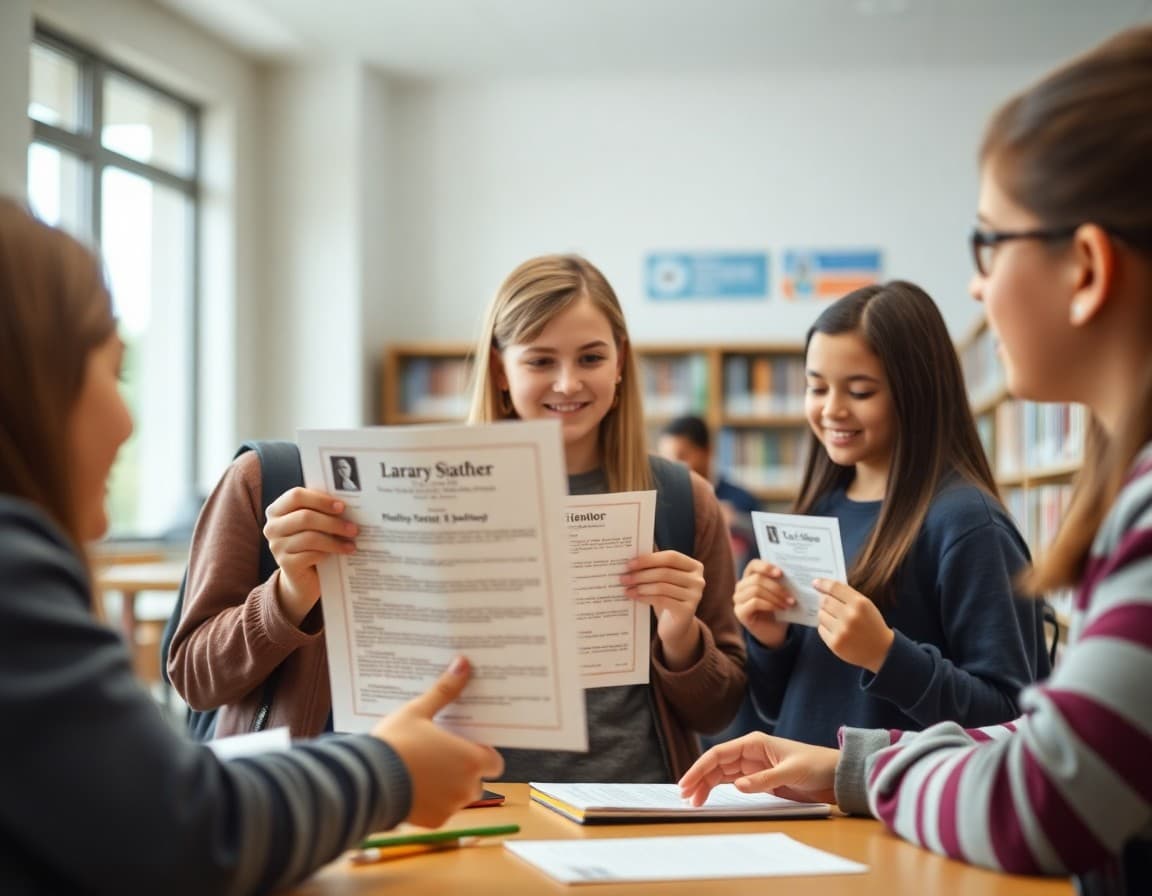
"This year I will visit every grade level at least three times for research instruction. My lessons include: source evaluation (how do you know if a source is reliable?), database search strategies (how do you find specific information in a sea of results?), citation and attribution (when do you need to cite something and how do you do it correctly?), and plagiarism prevention (what is the difference between using a source and stealing from it?). These lessons are directly integrated with assignments students are doing in their classes, not abstract information literacy lectures."
Introduce any reading programs or challenges
Name the programs and make participation feel accessible. "We run two reading programs this year: the Reading Challenge, which asks students to read one book in each of 12 categories over the school year, and the Staff vs. Students Reading Competition in March. Both are entirely voluntary. Both are tracked through our online log at [link]. The Reading Challenge categories include graphic novels, historical fiction, biography, science fiction, nonfiction, books in translation, poetry, and five others. Students who complete all 12 categories earn a certificate and a spot on the library's reading wall."
Close with an invitation to visit and your contact information
"The library is the most underused resource in this school. Students who build the habit of coming in early, staying late, or stopping by when they have a research question get a disproportionate return on that habit. Families who want to know what is in our collection, how to support their student's research for a specific class, or how to access digital resources from home are welcome to contact me directly. I am in the library every school day and check email throughout the day." Close with a genuine invitation, not a procedural goodbye.
Get one newsletter idea every week.
Free. For teachers. No spam.
Frequently asked questions
What should a library teacher cover in a beginning-of-year newsletter?
Cover library hours and access procedures, the checkout policy including limits and overdue fines, the digital resources available to students at home, what research skills students will develop through library instruction this year, any special reading programs or challenges, and how the library serves the broader school community. Many families do not realize their student has access to the school library's digital databases from home. Naming these resources in the first newsletter can significantly increase their use.
How do I explain the library's research instruction to families who think the library is just for checking out books?
Name the specific skills you teach and how they connect to assignments across subjects. 'The library provides research instruction to every class in the school. This year students will learn to: evaluate sources for credibility using specific criteria (not just checking for a .edu URL), use advanced database search techniques to find peer-reviewed information, organize and cite research in MLA and APA formats, and avoid accidental plagiarism by understanding the difference between quoting, paraphrasing, and summarizing. These skills appear directly in history papers, science reports, and English essays. Students who receive library instruction on these skills produce stronger research papers.'
How do I communicate about digital resources families may not know exist?
Name each resource with a one-line description and the login method. 'Your student has free access to the following resources through their school login: JSTOR (academic articles), Britannica School (encyclopedia and reference), Gale In Context (news and primary sources), ProQuest Historical Newspapers (newspaper archives back to 1851), and Destiny (our catalog and digital book checkout system). All are accessible from home using your student's school Google account. These are the same sources used by college students and professional researchers. They are yours, free, for as long as your student is enrolled.'
Should I include reading challenges or programs in the beginning-of-year newsletter?
Yes, briefly. Name the program, describe how it works, and explain what students earn. 'Our school participates in the 1,000 Books Before Graduation challenge. Students log every book they read, in any genre, at any reading level, across their school career. Students who reach 1,000 books before graduation receive a certificate and a permanent mark in our library's honor record. The average student who reads one book per week from ninth grade to twelfth grade reaches approximately 700 books. Students who start earlier or read more reach 1,000. The point is not the number. The point is the reading.'
What platform works well for library teacher beginning-of-year newsletters?
Daystage is a good fit because the library serves the entire school, and a library newsletter often needs to reach a larger audience than a single classroom. You can send to the whole school family list or to specific grade levels, include links to digital resources and the library catalog, and format the newsletter cleanly for families who are reading it on their phone. Families who receive the library newsletter in their email inbox are more likely to share it with their student than families who see it on a school bulletin board.

Adi Ackerman
Author
Adi Ackerman is a former classroom teacher and curriculum writer with 8 years in K-8 schools. She writes about school communication, parent engagement, and what actually works in real classrooms.
More for Subject Teachers
Ready to send your first newsletter?
3 newsletters free. No credit card. First one ready in under 5 minutes.
Get started free