
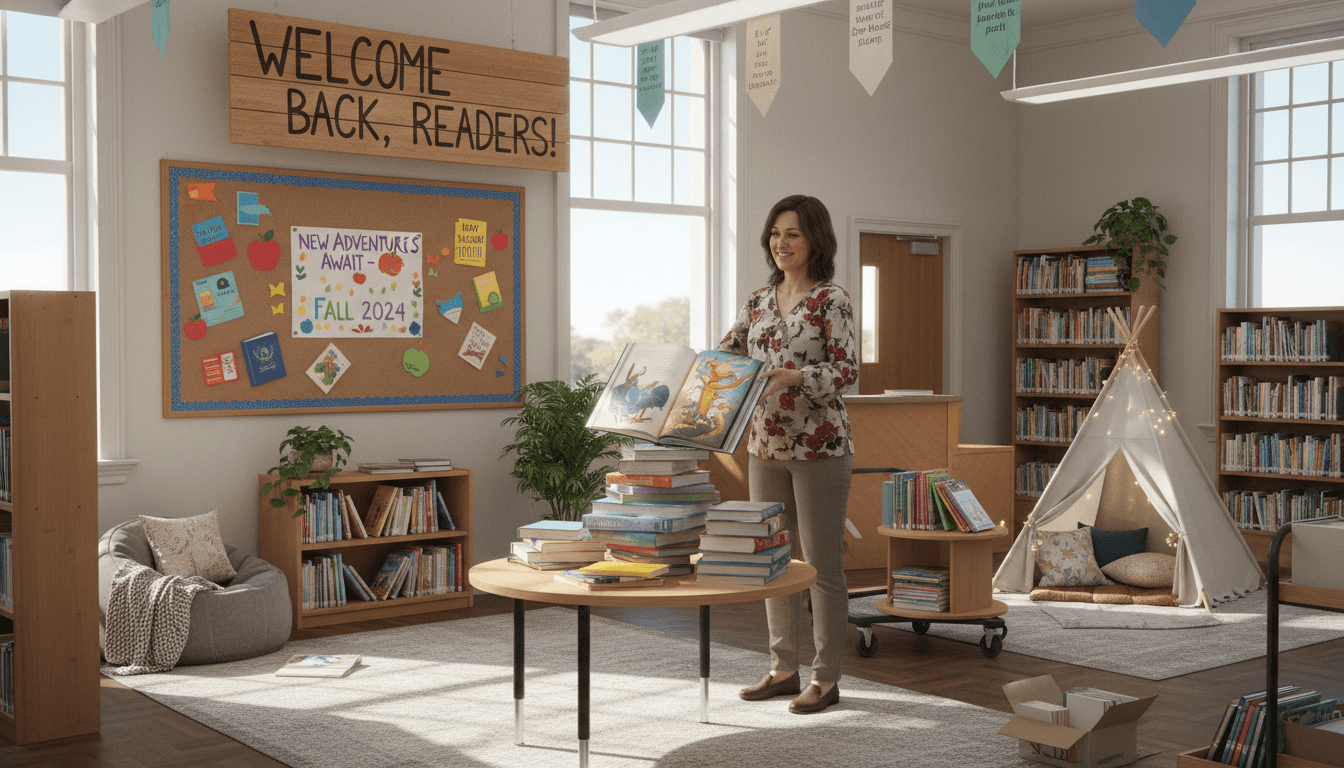
Library Teacher Newsletter: Back to School Newsletter for New Students and Parents
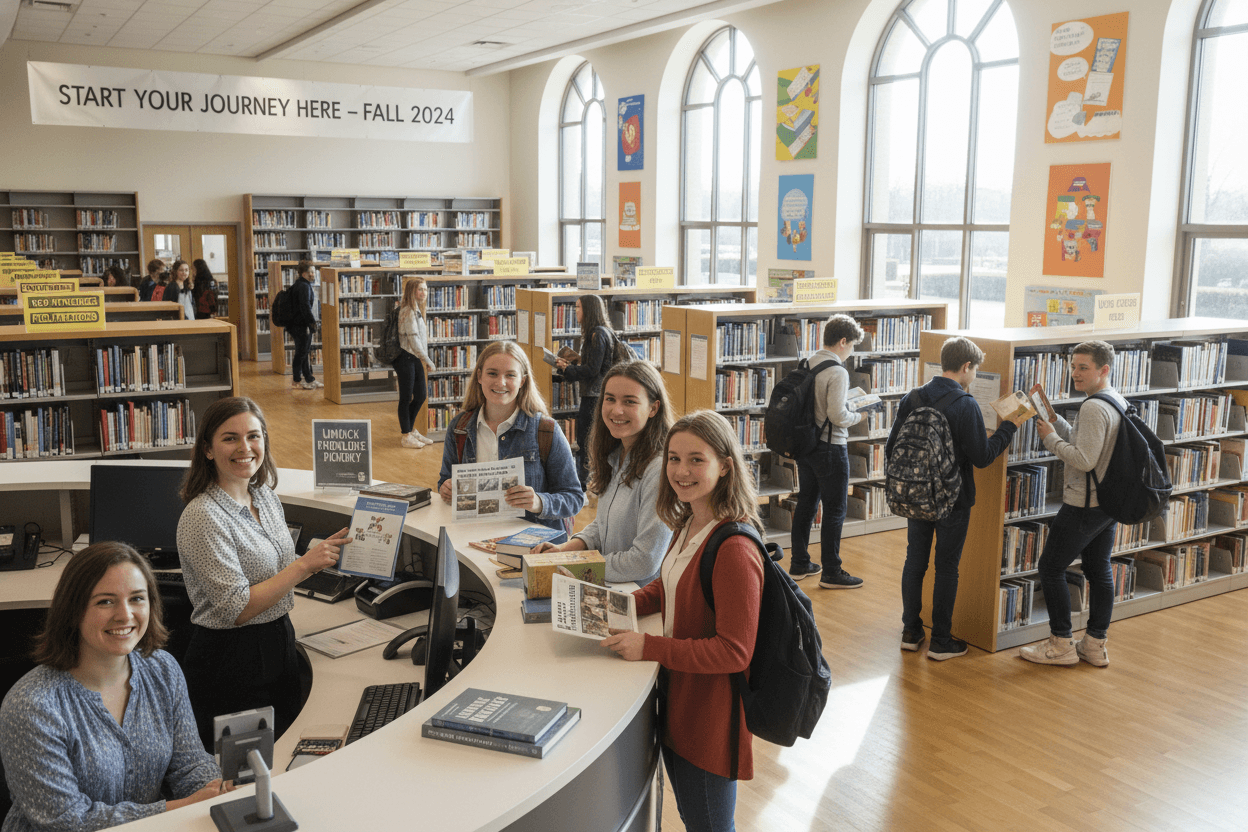
The library back-to-school newsletter is an opportunity most school librarians underuse. Families who receive a clear, informative welcome from the library at the start of the year are more likely to encourage reading at home, ask their children about library class, and engage when the reading program kicks off. A newsletter that does the work of introducing the program sets up a better year for everyone.
This guide covers what to include in a library teacher back-to-school newsletter and how to write each section so that new families and returning families both get something useful from it.
Introduce yourself and the library program before anything else
Open the newsletter with a short introduction that communicates who you are and what the library program is designed to do. "Welcome to a new school year in the [School Name] Library. I am [Name], your school librarian, and I work with students in every grade on reading, research skills, information literacy, and digital citizenship. My goal is for every student to leave this library with a book they chose themselves and the skills to find information they can trust."
That opening paragraph does three things: it introduces you by name, it names the four pillars of the library curriculum, and it states a student-centered outcome. Families who read it understand immediately that library class has academic content and a clear purpose.
Explain the library schedule before families have to ask
Include the library schedule for each grade in the newsletter before the first week of school. List the day and time each class visits, whether students visit during a scheduled class period or on a flexible pass system, and whether students may visit the library independently during free periods or lunch.
If your school has a fixed schedule for library class, explain whether students have the same period every week or whether the schedule rotates. A parent who knows their child's library day can ask the right questions that afternoon. "What did you check out today?" is a much better conversation starter than not knowing the library day at all.
Explain the checkout policy in plain language
Checkout policies vary by school and grade level, and families should not have to discover them when their child comes home with an overdue notice. "Students in grades K through 2 may check out one book at a time. Students in grades 3 through 5 may check out two books. Books are due back within two weeks. Students may renew any book once by visiting the library desk or asking their teacher to submit a renewal request."
If your school charges late fines, state the amount per day and the process for paying them. If your school does not charge fines but families are responsible for replacing lost books, explain the replacement cost policy and the process. Clear policies at the start of the year prevent confusion and resentment later when a student's account is put on hold.
Preview the reading programs for the year
Families who understand what reading programs are running throughout the year are better positioned to support them at home. Your back-to-school newsletter should name the reading challenges and programs planned and explain how families can participate. "This year, we are running three reading programs: our fall 100-Book Challenge for K through 2, our winter Genre Passport (read one book in each of ten genres), and our spring Author Study where students read three books by the same author."
Give families one practical way to support each program from home: a quiet reading time, a library trip to find books for a genre they have not tried, or a dinner table conversation about what the author is known for. Home support does not require elaborate investment. It requires awareness that the program exists.
Introduce the information literacy and research skill curriculum
Research skills and information literacy are library curriculum areas most families have never heard described. Your back-to-school newsletter should briefly explain what students will learn this year: "In addition to reading, students work on information literacy skills: how to find reliable information, evaluate sources for accuracy and bias, conduct research using our library databases, and cite the sources they use. These skills connect directly to writing assignments, science projects, and social studies research across all grades."
When families understand that library class teaches skills their child will use in every other subject, they take it more seriously. Name at least one specific skill by grade level so families have a concrete sense of what their child will learn.
List the digital resources students can access from home
Many families do not know that school library subscriptions include digital resources available 24 hours a day from any device. Your back-to-school newsletter should name each platform students can access, explain how to log in, and describe what each one contains. Include e-book and audiobook platforms, research databases, and any digital reading programs tied to the curriculum.
"Your child can access Sora, our e-book and audiobook library, at soraapp.com using their school username and password. Sora includes thousands of titles at no cost, with no late fees, and books return automatically after three weeks." That one paragraph is worth more to reading engagement than a stack of take-home flyers.
Daystage makes the library back-to-school newsletter easy to build once and reuse every year
The library introduction, checkout policies, and digital resource information do not change much from year to year. Daystage lets school librarians build a back-to-school newsletter template that captures the permanent program details and requires only minor updates each fall. Send to your class list on the first day of school, track who opened it, and start the year knowing families have the information they need to support their child's library experience from day one.
Get one newsletter idea every week.
Free. For teachers. No spam.
Frequently asked questions
What should a school librarian include in a back-to-school newsletter?
A strong library back-to-school newsletter covers six things: your name and contact information, the library schedule for each grade, checkout policies and how many books students may have out at once, any fines or overdue book policies, a preview of the reading programs and research skill curriculum planned for the year, and the digital resources students have access to from home. Families who receive this information in writing at the start of the year have fewer questions and more engagement throughout.
How should a librarian introduce the school library to families who are new to the school?
New families often have no frame of reference for what a school library does beyond lending books. Your back-to-school newsletter should briefly describe what the library program encompasses: reading instruction, information literacy skills, research skill development, digital citizenship, and independent reading support. One paragraph that names these goals positions the library as an academic program with curriculum goals, not just a room with books in it.
How do librarians explain overdue book policies without sounding punitive?
Lead with the reason: 'When books are returned on time, every student has access to the full collection. Overdue books reduce what is available for other readers.' Then explain the policy clearly and briefly. If your school does not charge fines, say so and explain what happens instead when books are not returned. If families are responsible for replacing lost books, name the process. Policies explained in context of community responsibility land better than rules listed without rationale.
Should a library back-to-school newsletter explain the Dewey Decimal System to families?
A brief explanation is worthwhile, especially for families new to the school. 'Our library organizes nonfiction using the Dewey Decimal System, a numbering system that groups books by subject. Students learn to use these numbers to find books independently' is enough. For younger grades, mention that picture books and easy readers are organized separately by the author's last name. This helps families understand what students are learning and gives them vocabulary to use when their child brings books home.
How does Daystage help school librarians send a polished back-to-school newsletter on day one?
Daystage is built for school newsletter communication and lets you send a professional back-to-school newsletter to your full class list in minutes. Build your library introduction template once with all the program details, checkout policies, and digital resource links, then update the specific dates and reading program details each fall. Families receive a clean, readable email that makes a strong first impression and sets the tone for a year of consistent library communication.

Adi Ackerman
Author
Adi Ackerman is a former classroom teacher and curriculum writer with 8 years in K-8 schools. She writes about school communication, parent engagement, and what actually works in real classrooms.
More for Subject Teachers
Ready to send your first newsletter?
3 newsletters free. No credit card. First one ready in under 5 minutes.
Get started free