

January Social Studies Newsletter: What We Are Learning
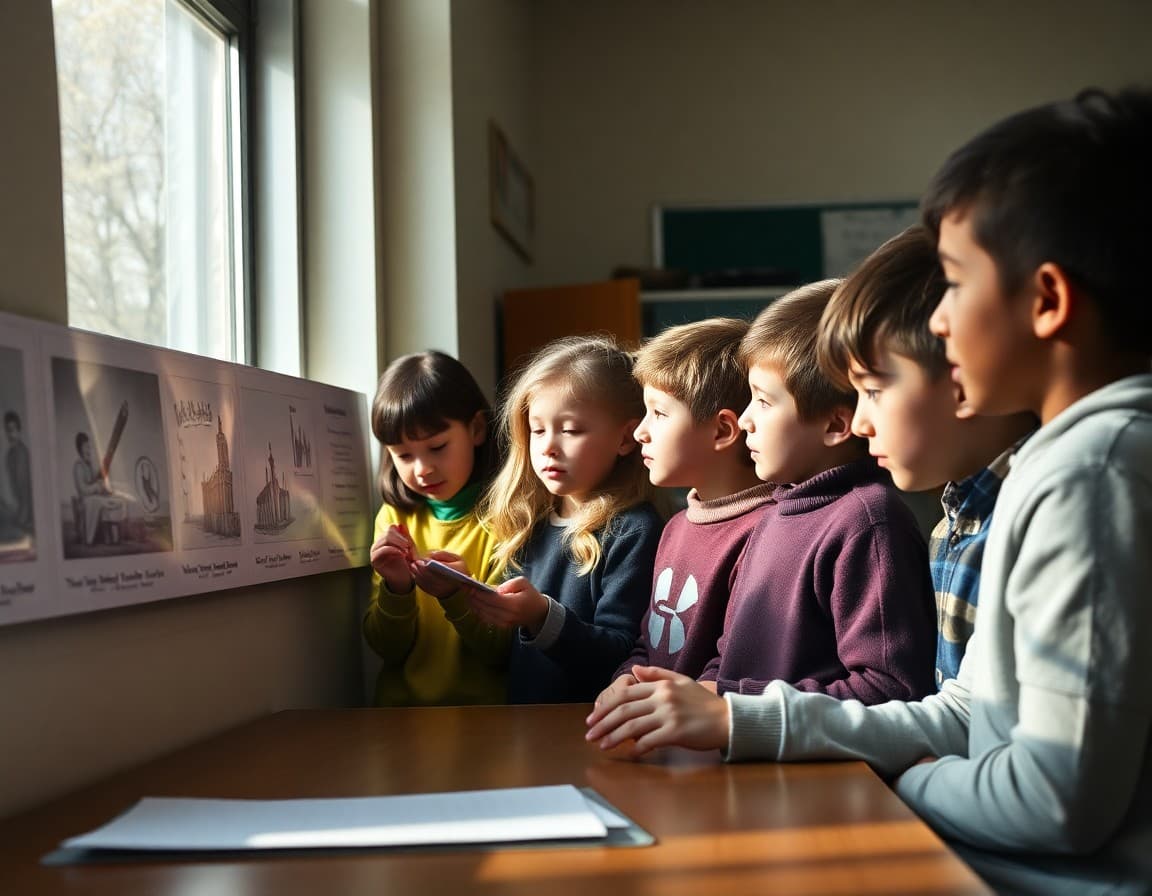
January is a natural reset for social studies. The fall unit has wrapped up, grades are in, and you are launching into a new chapter of the curriculum with a clean slate. Your January newsletter re-engages parents after winter break, introduces the new unit with the right framing, and reminds families why social studies learning extends well beyond the school building.
Re-Establish the Connection After Break
Start with one brief sentence welcoming families back, then move directly to what is happening now. Parents returning from winter break are ready for information. A confident launch into the January content signals that the second semester has purpose and direction.
Introduce the January Unit With a Central Question
Lead with the investigation question, not the topic name. What historical problem are students solving? What geographic pattern are they explaining? What civic question are they examining? A question invites parents into the learning in a way that a topic label does not.
Connect January to the Fall Unit
Give families a one-sentence bridge between what students studied in fall and what they are starting now. Historical periods and themes are connected in ways that are not always obvious to families, and a brief explanation of that connection gives parents a more coherent picture of the curriculum.
A Template Excerpt for January
Here is a section to adapt:
"Welcome back. We are launching the second semester with our unit on the Civil Rights Movement. The central question for this unit is: how do ordinary people create extraordinary change? Students will examine the strategies, setbacks, and turning points of the movement through primary sources, documentary footage, and first-person accounts. This unit begins on January 12, right around the Martin Luther King Jr. holiday, which gives us a natural entry point. Ask your child before we start: what do you already know about the Civil Rights Movement, and what do you want to know?"
Preview the Second Semester
Give parents a brief map of the major units coming January through June. Two or three unit names with one sentence each is enough to help families see the scope of the second semester and feel invested in what is ahead.
Reset Homework and Project Expectations
Tell families what social studies homework will look like in the second semester. If there are major projects, research assignments, or current events work, mention them now. Parents who know what is coming in January can help their child prepare rather than being caught off guard.
Connect to Current Events or the MLK Holiday
January is one of the best months to connect social studies to current events. The Martin Luther King Jr. holiday provides a natural entry point for civil rights content. A presidential inauguration or election cycle connects to government and civics. Whatever current event is relevant to your curriculum, name it and tell families how you are using it.
Close With a Specific Discussion Starter
End with one question families can use to start a conversation about the new unit. "Ask your child: what problem is the unit trying to explain?" or "What do you think changes history: individual people, big events, or slow patterns?" Those questions take 30 seconds to ask and often lead to the best school-to-home conversations of the year.
Get one newsletter idea every week.
Free. For teachers. No spam.
Frequently asked questions
What should I cover in a January social studies newsletter after winter break?
Acknowledge the break briefly, introduce the new unit with its central question, describe what students will investigate in the second semester, and give families one conversation starter tied to the new topic. January newsletters benefit from a forward-looking tone and a fresh sense of purpose.
How do I transition between major historical periods or topics in my newsletter?
Name the connection explicitly. If you spent fall on ancient civilizations and January launches a unit on the Middle Ages, tell families what the historical link is. Explaining that the fall of Rome created the conditions that shaped medieval Europe gives parents a brief but meaningful bridge that helps them follow the curriculum arc.
Is January a good time to preview the full second semester?
Yes. One or two sentences naming the major units coming January through June gives families a sense of the trajectory. It also builds anticipation for units that are coming and signals that there is significant learning ahead, not just a coast to the finish line.
How do I connect January social studies content to current events?
Look for a direct connection to something in the news or in the community. If you are studying civil rights history in January, the MLK holiday makes that connection obvious and powerful. If you are studying geography or economics, look for a current story that illustrates the concept you are building.
What newsletter tool helps social studies teachers stay consistent?
Daystage is useful because it keeps the newsletter habit low-effort. Write once, select your class list, send. Templates carry forward year to year, so each January newsletter takes about 15 minutes with a template. Consistent communication in January re-establishes the parent connection that may have drifted over winter break.

Adi Ackerman
Author
Adi Ackerman is a former classroom teacher and curriculum writer with 8 years in K-8 schools. She writes about school communication, parent engagement, and what actually works in real classrooms.
More for Subject Teachers
Ready to send your first newsletter?
3 newsletters free. No credit card. First one ready in under 5 minutes.
Get started free