
February Social Studies Newsletter: What We Are Learning
February is one of the most content-rich months in the social studies year. Black History Month provides a natural context for examining American history through multiple perspectives, and presidential history connects naturally to civics and government. Your February newsletter gives families insight into how you are using this moment in the curriculum and gives them concrete ways to extend those conversations at home.
Connect February to the Unit Arc
Start by showing parents where February sits in the unit sequence. If January launched a civil rights unit, February might go deeper into specific events, strategies, or individual stories. If you are in a different unit, connect February's content to whatever came before. One sentence of continuity is enough.
Name the February Content and Central Question
Tell parents what students are investigating and the question driving that investigation. For Black History Month content: "How did ordinary people change history by using nonviolent strategy?" For a civics unit: "What powers does the executive branch actually have, and where do those limits come from?" A question engages families more than a topic description.
Describe How You Are Using Black History Month Content
If your curriculum incorporates Black history content in February, tell parents specifically. Name the people, events, or sources students are examining. Explain what historical thinking skill the content builds. A specific, content-grounded description of Black History Month instruction is far more meaningful than a generic acknowledgment of the month.
A Template Excerpt for February
Here is a section to adapt:
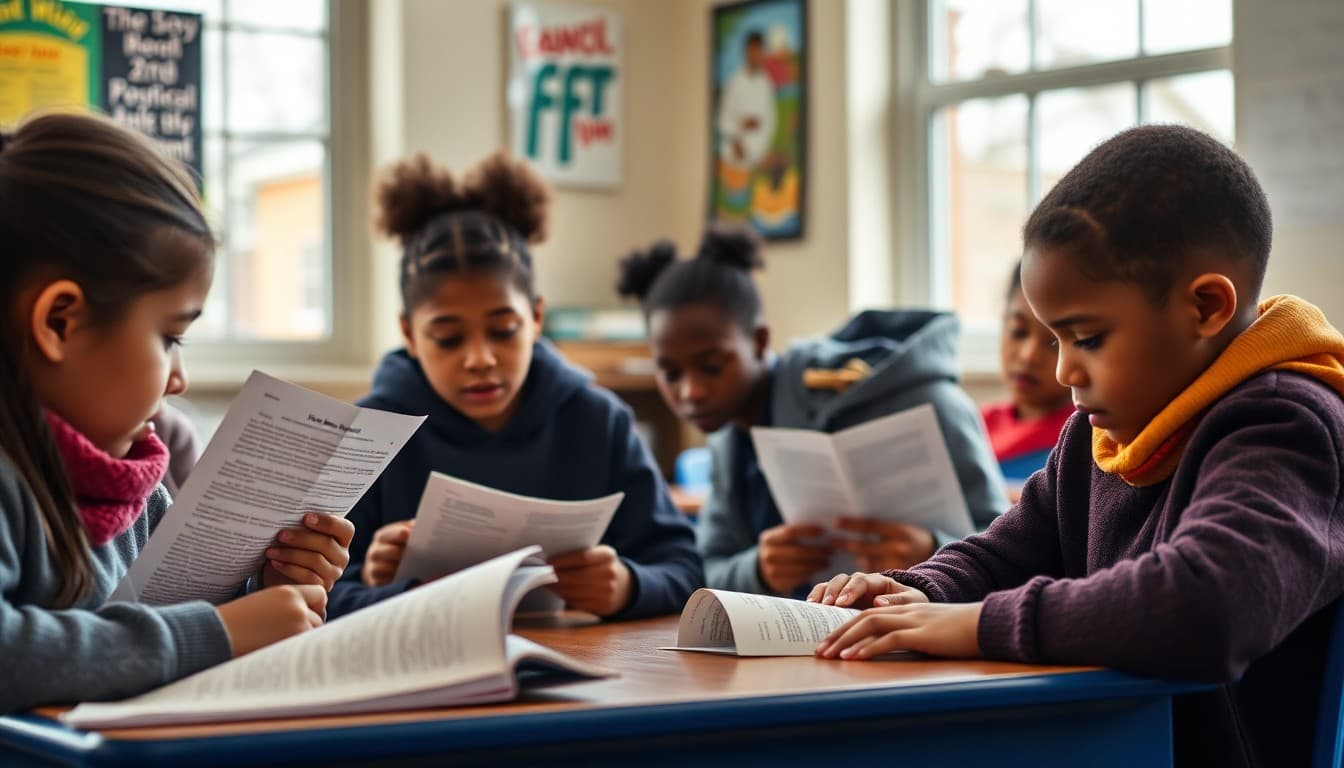
"This month in social studies we are examining the strategies of the Civil Rights Movement in depth. Students are reading first-person accounts from participants, watching brief documentary segments, and asking: what made these strategies effective, and where did they face the most resistance? February gives us a natural context for this work, and we are using it. Ask your child: what surprised you most about what you read? The answers are usually remarkable."
Address Any February Projects or Writing Assignments
If there is an essay, project, or research assignment due in February, tell parents now. Include the due date, what it asks students to do, and one tip for how families can support the work without taking it over. For social studies writing, helping your child clarify their thesis out loud before they write it is one of the most useful things a parent can do.
Connect Classroom Learning to Current Events
February often provides direct connections between historical content and present-day events. If your civil rights content connects to something in the current news cycle, name it. One authentic connection between past and present is one of the most powerful things you can include in a social studies newsletter.
Give Families Rich Discussion Starters
End with two or three specific questions families can use at home. "What does it mean to be brave in a moment when being brave has real consequences?" or "What do you think would have happened if the Montgomery Bus Boycott had failed?" Those questions generate the kind of dinner table conversations that make social studies learning stick.
Close With Your Contact Information
End with your name, how to reach you, and an invitation for parents who want to discuss the curriculum or share family history that connects to the February content. Social studies teachers who build that kind of family connection get richer, more authentic classroom discussions as a result.
Get one newsletter idea every week.
Free. For teachers. No spam.
Frequently asked questions
How do I address Black History Month in my February social studies newsletter?
If your curriculum includes Black history content in February, name the specific content and why you chose to teach it. Tell families what sources students are examining and what skills they are building. A newsletter that connects Black History Month to specific content is more credible than a generic acknowledgment of the occasion.
What social studies skills are typically built in February?
February social studies often deepens historical analysis skills: students may move from identifying cause and effect to evaluating long-term consequences, or from comparing two accounts to constructing a full argument from multiple sources. Name the specific skill you are building alongside the content.
How do I write a February social studies newsletter that connects to current events?
Look for genuine connections, not forced ones. If your unit on civil rights connects to a current civil rights issue, name it. If your geography unit connects to current news about that region, mention it. One specific, authentic connection is worth far more than several superficial ones.
Should I include Presidents' Day content in my February newsletter?
Only if your curriculum addresses it. If you are doing a civics unit or a government unit, Presidents' Day can be a useful entry point. If it has no connection to your current unit, skip it. Your newsletter should reflect what you are actually teaching, not the calendar.
What makes Daystage useful for subject-specific newsletters in February?
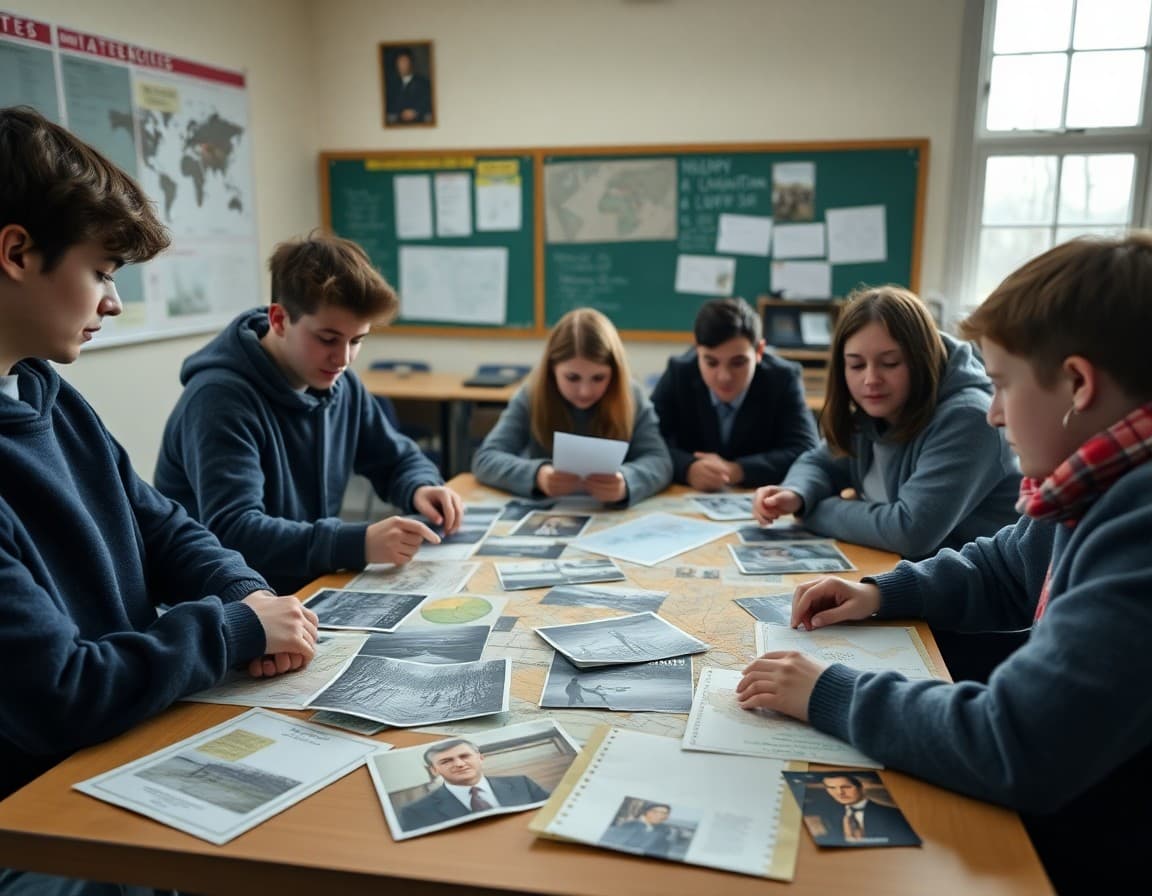
Daystage lets you write a content-rich newsletter quickly and send it to your class list without any formatting work. Many social studies teachers find that newsletters with historical images, when permissions are in place, generate the most family engagement. Daystage makes including images straightforward.

Adi Ackerman
Author
Adi Ackerman is a former classroom teacher and curriculum writer with 8 years in K-8 schools. She writes about school communication, parent engagement, and what actually works in real classrooms.
More for Subject Teachers
Ready to send your first newsletter?
3 newsletters free. No credit card. First one ready in under 5 minutes.
Get started free