
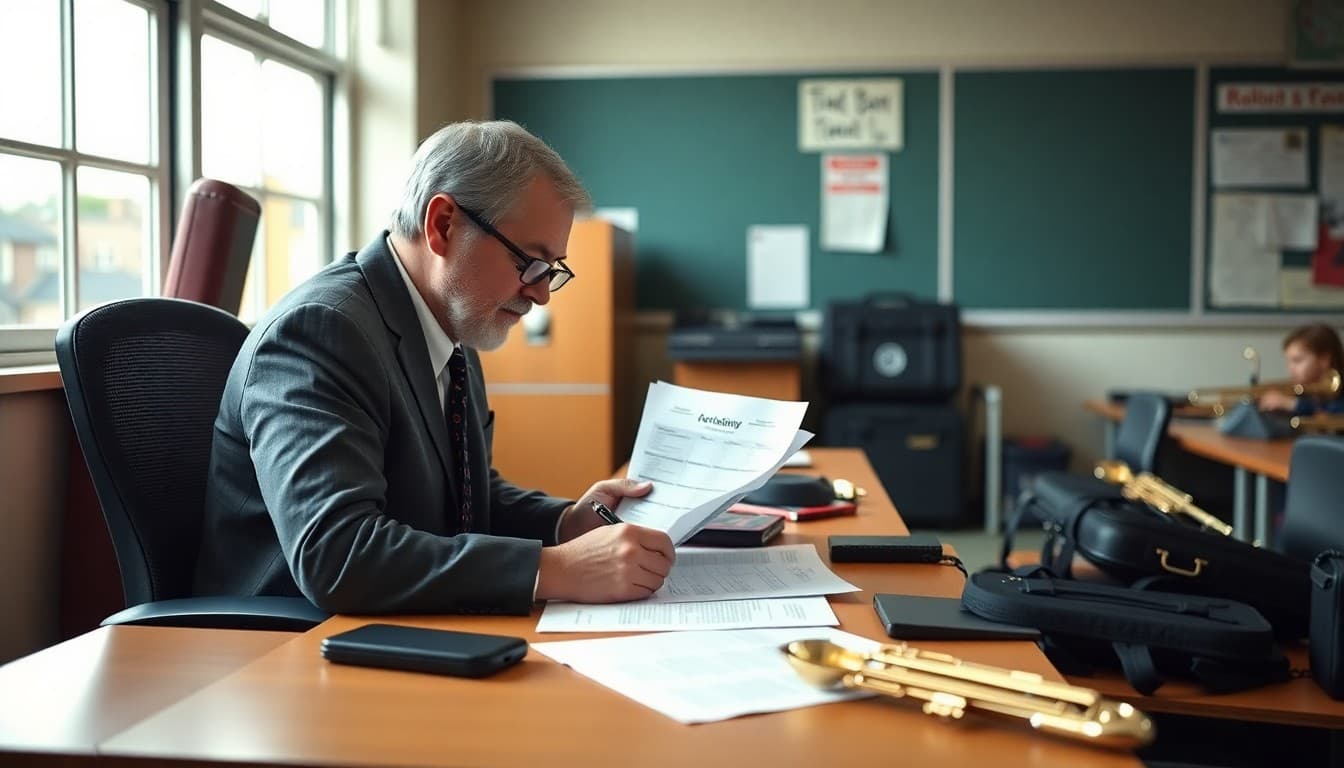
How to Write a Band Teacher Newsletter to Parents That Builds Buy-In
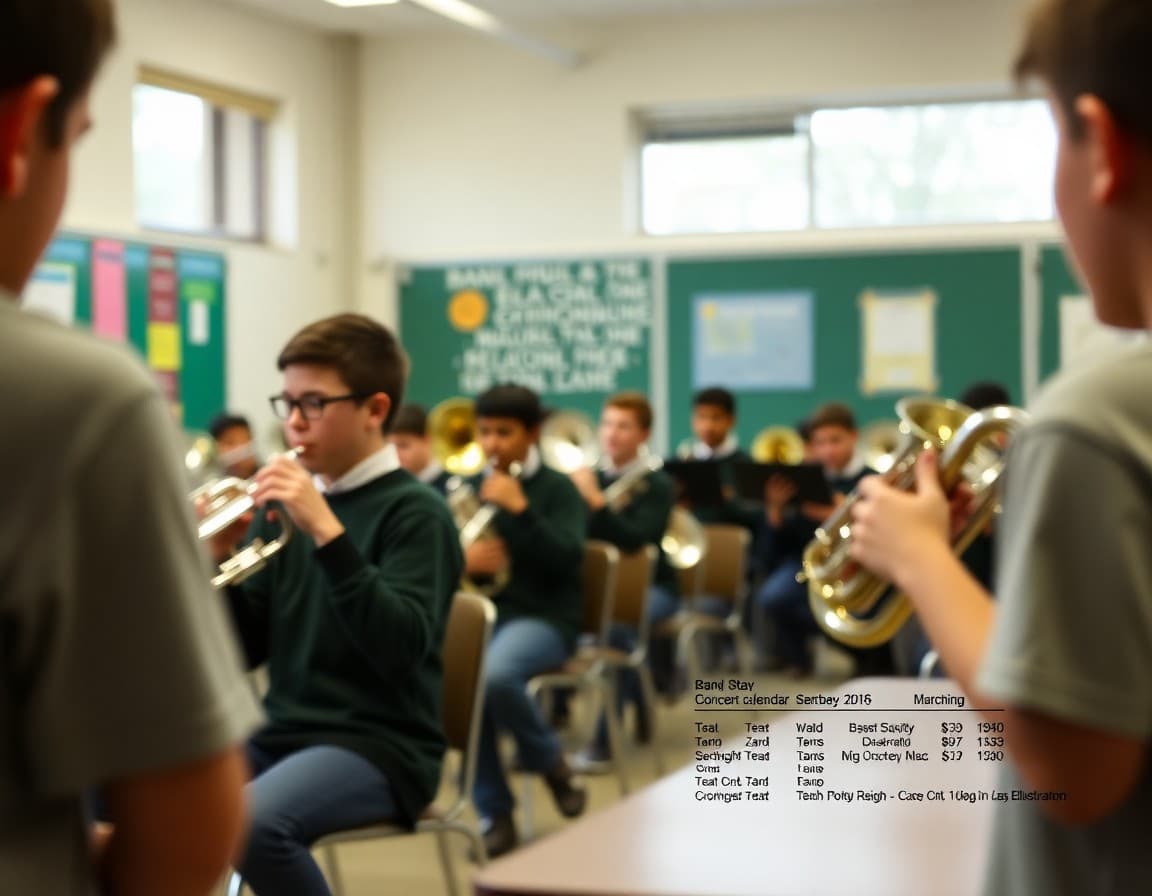
Band Newsletters Serve a Logistically Complex Program
Band families manage more scheduling complexity than most school program families. Instrument purchases or rentals, lesson schedules, concert attire, marching season commitments, and competition travel all require family coordination. Your newsletter is the primary tool for preventing the confusion and frustration that comes from poor communication about any of those elements.
Start With the Performance Calendar
Every September newsletter should include your full-year performance calendar. Every subsequent newsletter should include an updated look at upcoming performances in the next four to six weeks. For each event, include: date, time (both audience doors and student call time), location, duration, and attire requirements. For out-of-town events, add travel logistics and cost information as early as possible.
Instrument Care Information Belongs in the Newsletter
Many parents, especially those with students in their first year of band, have no idea how to care for an instrument. Use your newsletter to cover basics: woodwind players need to swab and clean their instrument after each use, brass players need valve oil, percussion students need to check stick condition regularly. Before winter and spring breaks, remind families what maintenance students should do while school is not in session. Simple information prevents expensive repairs.
Practice Expectations Need to Be Explicit
Tell parents how much practice you expect, what productive practice looks like, and what students should be working on at home right now. "Practice your instrument" is not a useful instruction. "Spend 20 minutes working on the chromatic scale and the opening 16 measures of the concert piece at a slow tempo before the concert next month" is a useful instruction. Specificity makes home practice actually happen.
Marching Season Gets Its Own Newsletter Track
If you have a marching band program, treat marching season communication as a separate track from concert band. The logistics are different (outdoor rehearsals, competition travel, uniform requirements), the physical demands are different (marching in formation while playing), and the parent support needs are different (chaperones, uniform help, transportation). Write marching season newsletters that cover those specifics rather than trying to combine them with concert band updates.
Close With One Specific Action
Ask parents to check that their student has fresh reeds or properly oiled valves before the concert. Ask them to put the spring concert on the family calendar today. Invite them to a parent volunteer orientation for the festival trip. One specific action that takes less than five minutes. That is the close that builds the partnership every band program needs.
Get one newsletter idea every week.
Free. For teachers. No spam.
Frequently asked questions
How often should band directors send newsletters?
Monthly during concert band season, biweekly during the six to eight weeks before a major concert or marching season, and weekly during festival week or competition weekends. More communication during high-stakes moments prevents the logistical confusion that frustrates families.
What is the most important thing to include in a band newsletter?
The upcoming performance schedule. Band families often manage multiple commitments and the performance calendar directly affects family planning. Put dates, times, and locations at the top of every newsletter from September onward.
How should I handle instrument maintenance in my band newsletter?
Briefly, at the start of the year and before any long school break. Tell parents what routine maintenance looks like for their student's instrument type: cleaning, reed replacement for woodwinds, valve oil for brass, stick replacement for percussion. Parents cannot help with what they do not know about.
Should band newsletters cover music theory or just logistics?
Both, but in proportion. Logistics first, always. Music theory and technique get one brief section per newsletter. Parents who understand what students are learning musically feel more connected to the program than parents who only receive event announcements.
What tool makes sending band newsletters easy?
Daystage is built for teacher-to-family communication. You can create a structured newsletter with a performance calendar, rehearsal schedule, and maintenance tips, then send to all band families at once.

Adi Ackerman
Author
Adi Ackerman is a former classroom teacher and curriculum writer with 8 years in K-8 schools. She writes about school communication, parent engagement, and what actually works in real classrooms.
More for Subject Teachers
Ready to send your first newsletter?
3 newsletters free. No credit card. First one ready in under 5 minutes.
Get started free