
Health Teacher Newsletter: Remote and Hybrid Learning Newsletter Guide

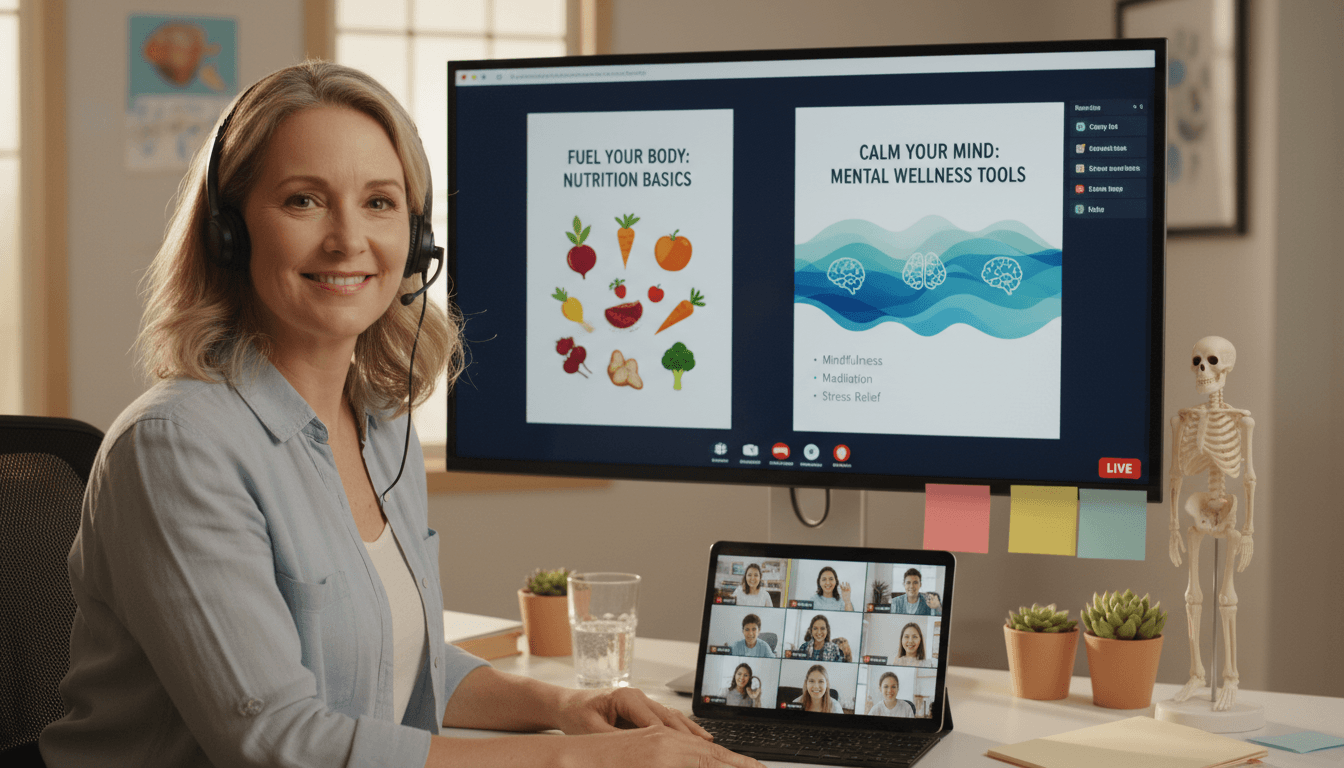
Remote and hybrid learning shifts the health classroom into students' homes, and that changes everything about parent communication. When a student is learning about mental health, nutrition, or sexual health from their bedroom or kitchen table, families are no longer passive observers of school content. They are part of the learning environment, whether they know it or not. A health teacher newsletter for remote learning closes the gap between what is happening in class and what families need to understand to support their student at home.
This guide covers what to include in a remote health class newsletter, how to communicate about sensitive topics when students are learning from shared home spaces, and how to keep at-home wellness activities practical and accessible.
Set the context before each new unit
In a physical classroom, parents know their student is in school and broadly trust that the curriculum has been reviewed and approved. In a remote setting, parents may walk by during class, overhear discussions, or ask their student what they did in health today. A newsletter that previews each unit before it starts reduces the chance that families encounter sensitive content without any preparation.
When you are about to begin a unit on reproductive health, mental health, substance use prevention, or any topic that carries more parental sensitivity than nutrition or physical fitness, send a brief preview newsletter two to three days in advance. Name the topic, explain the educational purpose, and note how the content is framed for your grade level. This is not seeking permission but providing professional courtesy that builds trust over time.
Address the home environment reality directly
Remote health class is not equivalent to in-person health class, and the newsletter should acknowledge that without apology. Students learning from shared living spaces may have younger siblings nearby, or parents working in the same room, or limited privacy for discussions about personal wellness topics. A newsletter that ignores this puts families in the position of discovering problems rather than planning for them.
Tell families explicitly when a lesson includes content that students may want to view privately. "This week's session covers stress and anxiety management. If your student shares a room or study space, you may want to arrange a quieter spot for the live session on Thursday" is a practical, respectful note that most families will appreciate and use.

Explain live session expectations clearly
Virtual health class discussions require different norms than in-person ones. Students need to understand camera and microphone expectations, chat participation guidelines, and how the class handles personal disclosures in a video call format. Families also need to understand these norms so they are not inadvertently disrupting a live session or causing their student to miss participation credit.
In the newsletter, state whether camera use is required or optional, how students can participate if they do not have a private space, whether sessions are recorded, and what the makeup procedure is for students who miss a live session. These details prevent the friction that comes when families and students have to figure out remote class logistics in real time.
Design at-home activities for varied home environments
A wellness activity that works in a well-equipped suburban kitchen will not work for a student in a small apartment with limited food options. Remote health assignments need to be universally accessible without requiring the teacher to know each student's home situation in detail.
The most reliable at-home health activities are observation, reflection, and low-resource tracking. A sleep log, a daily mood journal, a stress and coping reflection, or a nutrition label comparison using whatever is in the house are all activities that students can complete regardless of their living situation. Describe each activity in the newsletter in enough detail that families understand what it involves and how long it should take, so they can help their student find the time and space to complete it.
Communicate about assessment and submission clearly
Remote health assessments often include reflective writing, wellness tracking logs, and personal goal-setting activities that students submit digitally. Tell families in the newsletter what is due, when it is due, and how students should submit it. If any assessment involves sharing personal health information or wellness data, note whether that information is private between the student and the teacher or whether it will be discussed in class.
Privacy matters more in health than in most other subjects. A student completing a mental health reflection or a substance use awareness assignment deserves to know that their work will not be read aloud or shared without their consent. Stating this clearly in the newsletter reassures both students and families that personal disclosures are handled with care.
Share digital resources families can use at home
One advantage of remote health learning is the ability to connect families directly to the same resources students are using in class. Include one or two links in each newsletter: a reputable nutrition database, a mental health resource for teens, a physical activity video, or a parent guide from a recognized health organization.
Keep this section brief and curated. Two high-quality links that connect directly to the current unit topic are more useful than a list of ten general wellness websites. When families see that you are pointing them toward credible, age-appropriate resources, it reinforces their confidence in the curriculum and gives them tools to continue health conversations at home beyond what happens during class sessions.
Close with what is coming next
End each newsletter with a one-paragraph preview of the following week. In a remote setting, families who understand the arc of the curriculum stay more engaged and are more likely to prepare their student for what is ahead. A note like "Next week we will begin our mental health awareness unit, starting with a session on recognizing stress versus anxiety. I will send a brief preview newsletter before we begin" gives families enough context to look for that preview and to have an introductory conversation with their student before class.
Consistency in newsletter timing and structure matters more in remote learning than in an in-person classroom. When families know that your newsletter arrives on Sunday evenings and always covers the same key sections, they build the habit of reading it and using it to prepare their student for the week ahead.
Get one newsletter idea every week.
Free. For teachers. No spam.
Frequently asked questions
How often should a health teacher send newsletters during remote or hybrid learning?
Weekly newsletters work well for remote and hybrid health classes. The home environment introduces new variables that families need to understand: what topics are coming up, what materials students need, and what participation looks like at home versus in class. A weekly newsletter keeps families aligned without creating inbox fatigue. During units on sensitive topics like mental health, reproductive health, or substance use, send a preview newsletter a few days before the unit begins so families have time to prepare and ask questions.
What should a remote health class newsletter include?
Cover the current unit topic, the upcoming week's lesson focus, any materials students need at home, how assessments will be submitted, and any live session attendance expectations. For remote health specifically, include a brief note on the discussion norms for virtual class sessions, since sensitive health topics require extra thought about privacy and safety when students are learning from shared home spaces.
How should health teachers handle sensitive topics when students are learning from home?
Address this directly in your newsletter. When a unit involves reproductive health, mental health, or substance use, tell families what the upcoming lesson covers, how it is framed, and what the class discussion format will be. Some students learn from shared living spaces with younger siblings, grandparents, or others in the room. Giving families advance notice lets them decide whether to set up a private viewing space for their student and whether they want to have a conversation with their student before the lesson.
How can health teachers assign meaningful wellness activities for at-home completion?
Focus on observation and reflection rather than equipment or space-dependent activities. A daily wellness journal, a sleep and screen time log, a stress mapping exercise, or a nutrition label comparison from items already in the kitchen are all activities that work across a wide range of home environments. Explain in the newsletter exactly what the activity involves, how long it should take, and how students will submit or share it so families can support without confusion about the expectations.
How does Daystage support health teachers sending newsletters for remote and hybrid classes?
Daystage lets health teachers create a weekly newsletter template that can be updated each week with the current unit focus, live session links, and at-home activity instructions. Because health topics shift frequently and some carry parent notification requirements, having a fast, reliable send process matters. Daystage tracks open rates so you can see which families are receiving and reading your newsletters, which is especially important when a lesson covers content that warrants parent awareness before class.

Adi Ackerman
Author
Adi Ackerman is a former classroom teacher and curriculum writer with 8 years in K-8 schools. She writes about school communication, parent engagement, and what actually works in real classrooms.
More for Subject Teachers
Ready to send your first newsletter?
3 newsletters free. No credit card. First one ready in under 5 minutes.
Get started free