
Health Teacher Newsletter: National Month Newsletter Ideas

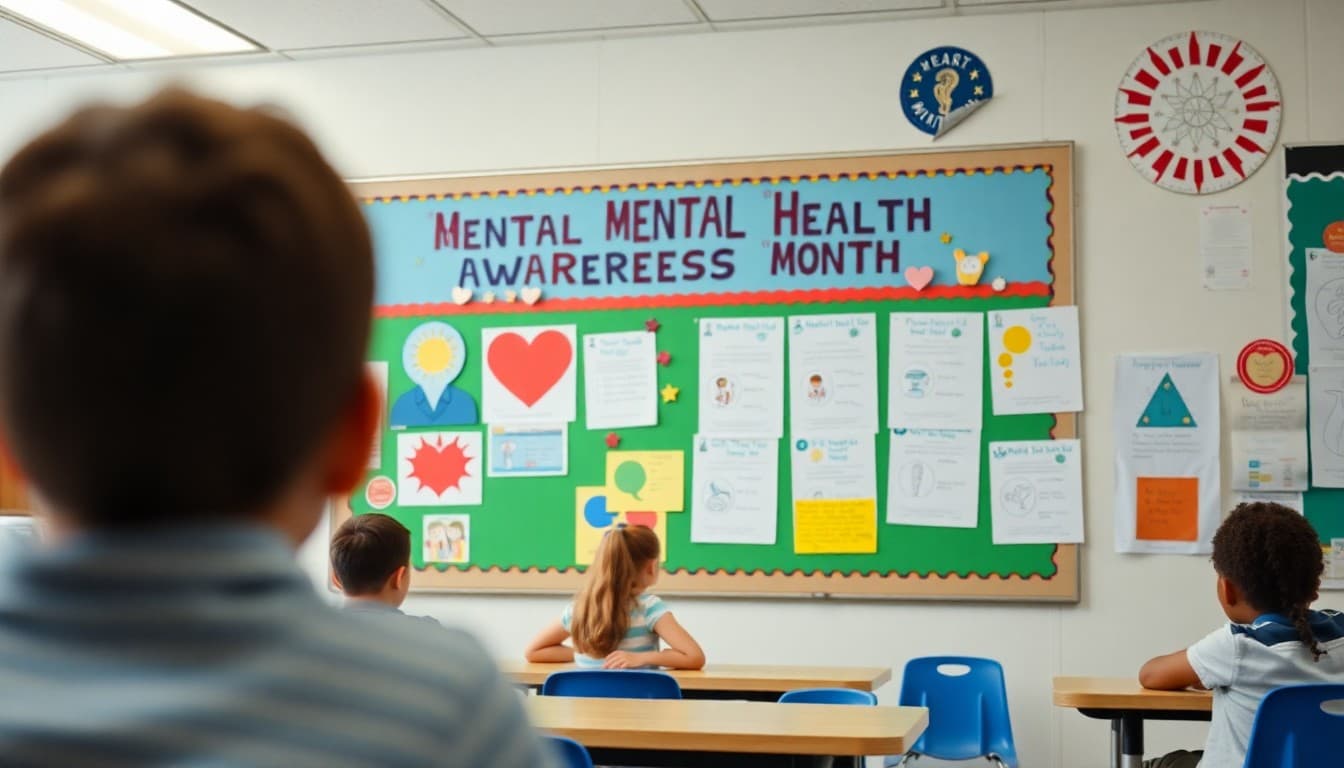
The school health calendar lines up remarkably well with national awareness months. March is National Nutrition Month. May brings Mental Health Awareness Month and National Physical Fitness and Sports Month. October has Bullying Prevention Month. These built-in hooks give you a ready-made reason to send a newsletter that families will actually read because the topic connects to something happening in the wider world.
Why National Month Newsletters Work for Health Class
Parents who skim most school newsletters will pause for one about mental health awareness or nutrition if it feels timely and relevant rather than administrative. National awareness months create that relevance without extra work on your end. The hook is already there; your job is to connect it to what students are doing in class and why that matters at home.
These newsletters also position you as a health professional who tracks the field, not just a teacher covering a mandated curriculum. That reputation helps when you need parent trust for more sensitive topics later in the year.
The Best National Health Months for School Newsletters
Here are eight months worth building newsletters around, with a classroom angle for each:
September: Suicide Prevention Awareness Month. Share school counselor contact information, normalize help-seeking, and describe how your class addresses mental wellness this semester.
October: Bullying Prevention Month. Connect to your social-emotional health unit. Share one activity students did this week and a resource parents can use at home.
March: National Nutrition Month. Share a fact about what students are studying in your nutrition unit. Include one practical tip families can try this week.
April: Alcohol Awareness Month. If your curriculum includes substance prevention, this is the right time to send a newsletter that names what you are teaching and why.
May: Mental Health Awareness Month. Walk families through one coping strategy students practiced. Share a local or national resource for families who want more support.
How to Structure a National Month Newsletter
Keep it to four sections. First, name the awareness month and give one sentence on why it exists. Second, connect it to what students are studying in class right now. Third, share one fact, activity, or student response from your classroom. Fourth, give families one action they can take: a conversation starter, a resource link, or a simple activity to try at home.
Total reading time should be under three minutes. If it takes longer, cut the background information and get closer to the classroom content.
Sample Newsletter Section: Mental Health Awareness Month
Here is a sample middle section you can adapt:
"This week, as part of Mental Health Awareness Month, students in 9th grade health practiced a technique called box breathing: inhale for four counts, hold for four counts, exhale for four counts, hold for four counts. Research shows this method can reduce acute anxiety symptoms in under two minutes. We spent ten minutes using it before a practice test, and students self-reported lower stress levels afterward. Try it at home before a stressful event and ask your student to walk you through the steps."
Avoiding Common Pitfalls
Three things weaken national month newsletters. First, leading with statistics without a classroom anchor makes it feel like a press release. Second, recommending resources outside your knowledge base (apps, therapists, programs) without vetting them first is a trust risk. Third, covering topics that do not connect to your actual curriculum this month leaves parents wondering why they received the newsletter. Keep everything tied to something real in your classroom.
Building a Full-Year Awareness Calendar
At the start of August, map your curriculum units to the awareness month calendar. You will find that most of your major units overlap with a relevant month. Build a newsletter template for each one so that when the month arrives, you are filling in specifics rather than starting from scratch. This system makes consistent monthly communication manageable even during the busiest parts of the school year.
Connecting School to Home
The most effective national month newsletters end with something families can do. A conversation starter, a short video link, a challenge for the week. Health knowledge only changes behavior when it extends beyond the classroom, and these newsletters are one of the most direct ways to make that happen. A family that tries box breathing together once is more likely to support their student's stress management practice than a family that only reads about it in a newsletter.
Get one newsletter idea every week.
Free. For teachers. No spam.
Frequently asked questions
Which national health months are most relevant for classroom newsletters?
The most classroom-useful ones are National Nutrition Month (March), Mental Health Awareness Month (May), National Physical Fitness and Sports Month (May), Alcohol Awareness Month (April), and National Bullying Prevention Month (October). Each of these maps directly to standard health curriculum topics and gives you a built-in hook for why the content matters right now.
How do I connect a national awareness month to the current unit?
The connection does not need to be exact. If you are studying body systems in October and Breast Cancer Awareness Month is happening, you can note that your body systems unit connects to how detection and prevention work. The goal is to give students a reason to care about the topic beyond the test. A one-paragraph link in the newsletter is enough.
Can national month newsletters replace my regular unit newsletters?
They can supplement them but should not replace them entirely. A national awareness month newsletter works best when it accompanies a regular update rather than standing alone. Families need to know what students are learning and doing in class; the awareness month context gives that information a hook and a sense of relevance.
How do I avoid making national month content feel gimmicky?
Tie it to a specific classroom activity or student action. Instead of just noting that it is Mental Health Awareness Month, describe one coping strategy students practiced this week and share one statistic that gives it scale. Action and specificity make the awareness context feel genuine rather than performative.
What tool helps health teachers send timely national month newsletters?
Daystage makes it easy to create branded, visually polished newsletters on a regular schedule. You can set up a template at the start of the year for each awareness month and fill in the class-specific details as the month arrives. Several health teachers use it to maintain a consistent cadence of one newsletter per month tied to the awareness calendar.

Adi Ackerman
Author
Adi Ackerman is a former classroom teacher and curriculum writer with 8 years in K-8 schools. She writes about school communication, parent engagement, and what actually works in real classrooms.
More for Subject Teachers
Ready to send your first newsletter?
3 newsletters free. No credit card. First one ready in under 5 minutes.
Get started free