
Foreign Language Teacher Newsletter: National Month Newsletter Ideas
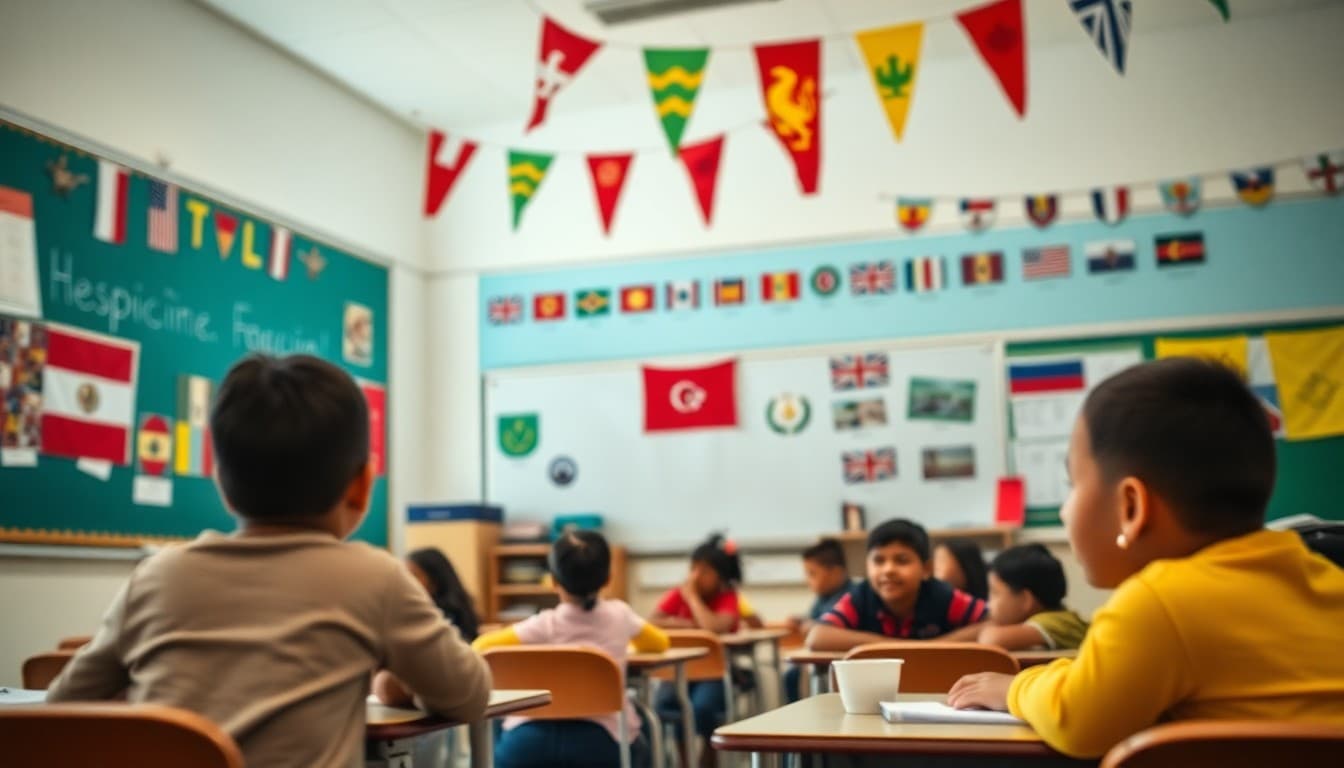
National cultural awareness months are a natural hook for world language teachers to send newsletters that connect language learning to living culture. A Spanish teacher who sends a Hispanic Heritage Month newsletter with specific classroom activities, a featured artist, and a recipe families can try at home is doing something different from every other newsletter in the school inbox that week. It is specific, it is engaging, and it shows families that language learning in your class is not just grammar worksheets.
This guide covers the key awareness months for world language teachers, how to write a newsletter around them, and what makes a cultural newsletter worth reading versus one that families skim and delete.
Hispanic Heritage Month: September 15 to October 15
This is the anchor cultural observance for Spanish teachers. It begins September 15 to coincide with the independence anniversaries of Costa Rica, El Salvador, Guatemala, Honduras, Mexico, and Nicaragua, and runs through October 15. The newsletter you send during this period should be grounded in what students are actually studying in class during those five weeks, not a generic appreciation of Hispanic heritage.
Name the specific country, artist, historical period, or cultural topic your class is exploring. If you are studying Colombian literature through Gabriel García Márquez, mention that and include a brief description of the magical realism literary movement. If you are covering Puerto Rican music and the bomba tradition, describe what bomba is and include a link to a short YouTube video of a performance. Specificity turns a generic awareness newsletter into something students will bring home and talk about.
Francophonie Month: March
The International Day of the French Language on March 20 anchors Francophonie Month, which celebrates the French language across all countries where it is spoken as a first or official language. This is an opportunity for French teachers to move beyond France and introduce students and families to the breadth of the Francophone world: Belgium, Senegal, Morocco, Haiti, Quebec, Côte d'Ivoire, and 40 other nations.
A Francophonie newsletter that features a musician from a different Francophone country each week of March is more interesting than one that covers France alone. Suggest Stromae from Belgium, Angélique Kidjo from Benin, or Karim Ouellet from Quebec. Include one phrase in French from each region and a note on how the accent or vocabulary differs from standard Parisian French. Families learn something real; students hear that French is a living, diverse language, not just a European academic exercise.

Asian Pacific American Heritage Month: May
For Mandarin, Japanese, Korean, and Vietnamese teachers, May is the prime cultural awareness month. A Mandarin teacher might feature the history of Chinese American railroad workers who built the Transcontinental Railroad, the cultural contributions of Chinese American architects like I.M. Pei, or the tradition of the Dragon Boat Festival. A Japanese teacher might explore the history of Japanese American incarceration during World War II through the lens of families who maintained cultural identity through language and art.
Connect the cultural content to classroom vocabulary or themes students are working on during May. If students are studying food vocabulary in Mandarin, feature a traditional Lunar New Year dish and its cultural significance. The integration of awareness content with active curriculum makes the newsletter feel relevant rather than parenthetical.
Black History Month: February connections for Spanish and French
Spanish and French teachers have genuine connections to Black History Month through the African diaspora. For Spanish: explore the Afro-Cuban cultural tradition in music through artists like Celia Cruz or the Buena Vista Social Club. Cover the history of Black Panamanian communities and their contributions to Latin American literature. For French: explore the Négritude movement founded by Aimé Césaire from Martinique and Léopold Sédar Senghor of Senegal, both of whom wrote in French and transformed how the world understood African cultural identity.
Include an activity families can do at home
Every cultural awareness newsletter should end with one specific thing families can do together that is free and accessible. For Hispanic Heritage Month: cook a recipe from a Spanish-speaking country using an online recipe in Spanish (provide the link). For Francophonie Month: watch the opening 15 minutes of a film on Netflix in French with French subtitles. For Asian Pacific Heritage Month: read one page from a bilingual picture book available at the public library. These activities are low-barrier and create a shared experience around language learning.
Feature student work from the awareness period
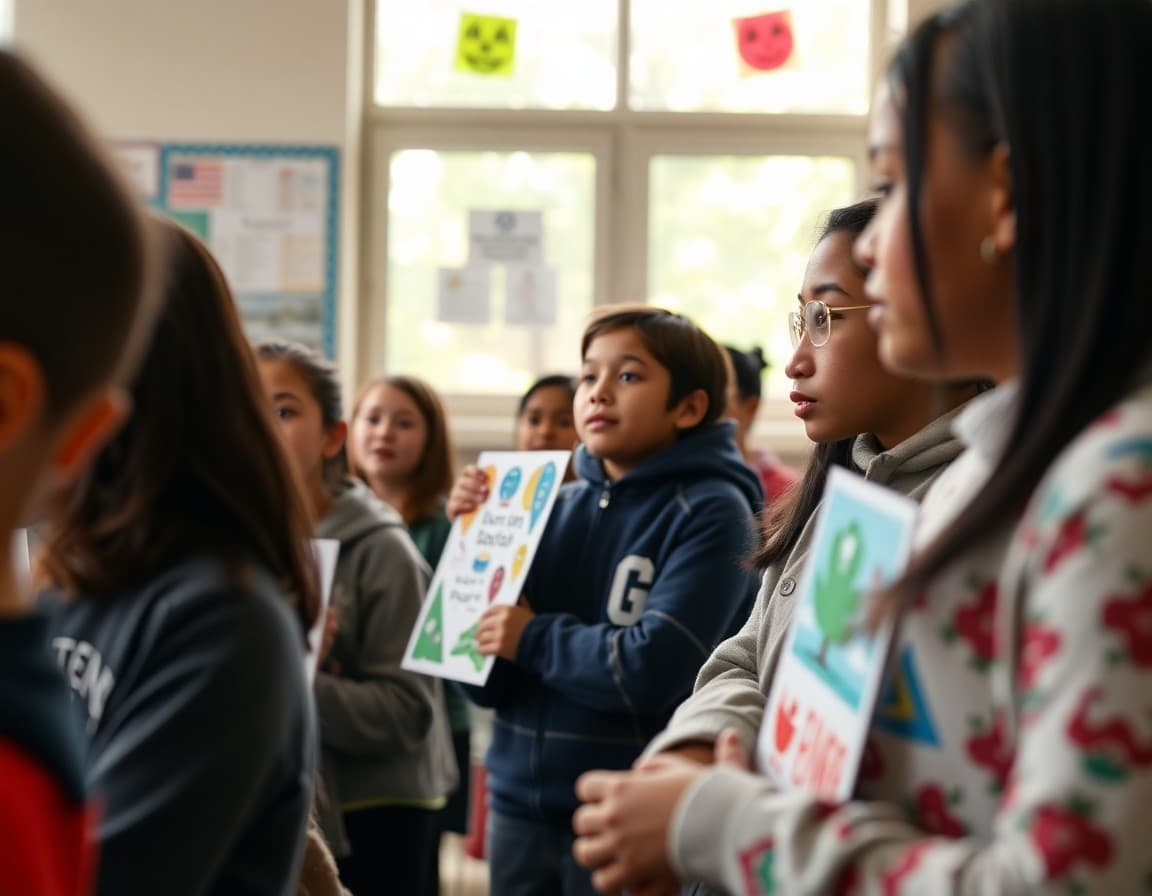
If students complete a project, presentation, or cultural analysis during the awareness month, describe it in the newsletter. Use first names only or get permission before sharing specifics. "This week, students in French 2 researched a Francophone country of their choice and presented a two-minute overview to the class in French. Countries ranged from Senegal to Belgium to Haiti. The presentations were impressive, and several students shared foods or cultural objects from their chosen country." Families who read about student work feel connected to the classroom in a way that a cultural facts-only newsletter does not produce.
Close with target language phrases families can share at dinner
End the newsletter with two or three phrases in the target language that are connected to the cultural theme, including pronunciation guides. "Try these at dinner this week: '¿De dónde eres?' (deh DON-deh EH-rehs) means 'Where are you from?' Ask your student to answer in Spanish." Families who interact with the language in a low-stakes, fun context build a relationship with the subject that purely academic framing cannot produce.
Include your contact information
End with your email so families can reach out with questions about the cultural content or upcoming unit assessments. Cultural awareness newsletters tend to generate more engagement than logistics newsletters, which means more responses. Be ready for them.
Get one newsletter idea every week.
Free. For teachers. No spam.
Frequently asked questions
Which national months are most relevant for world language teachers?
Hispanic Heritage Month (September 15 to October 15) is the most widely observed for Spanish teachers. Francophonie Month in March celebrates French language and culture globally and is ideal for French teachers. Asian Pacific American Heritage Month in May works well for Mandarin, Japanese, and Korean teachers. Black History Month in February can connect to Afro-Latin heritage for Spanish teachers and to the African countries where French is an official language for French teachers. German-American Heritage Month in October suits German classes.
How do you make a cultural awareness newsletter feel specific rather than generic?
Name the specific country, artist, historical figure, or cultural tradition you are exploring in class during the month. 'During Hispanic Heritage Month, we are studying the muralism movement in Mexico, starting with Diego Rivera's influence on American public art. Students will create their own mural concept based on an aspect of their own community.' A newsletter tied to a specific classroom activity is far more engaging than a newsletter that simply notes a month's existence.
How do you engage families in cultural awareness months when they are unfamiliar with the culture?
Give families a concrete entry point: a documentary to watch, a recipe to try, a musician to listen to, or a book to find at the library. 'During Francophonie Month, try listening to the musician Stromae with your family. He is Belgian, sings in French, and his music blends electronic pop with West African rhythms. His song Papaoutai has subtitled versions on YouTube and is one the class is using this month.' A specific recommendation that is free and accessible is far better than a vague invitation to learn more about a culture.
Can a national month newsletter include authentic language exposure for families?
Yes, and this is a great opportunity. Include two or three common phrases related to the month's cultural theme in the target language with pronunciation guides. For Hispanic Heritage Month: 'Viva la cultura' (Long live the culture) or 'Somos uno' (We are one). For Francophonie Month: 'La langue française nous unit' (The French language unites us). Families who see the language in a cultural context understand why their student is learning it in a way that purely academic framing does not convey.
How does Daystage help world language teachers send national month newsletters?
Daystage makes it easy to embed cultural images, student project photos, and links to music, films, or recipes in a visually organized newsletter. For awareness months, the visual element matters more than in a standard grade update. A newsletter about Hispanic Heritage Month that includes a student mural photograph or an image of a recipe card from the class cooking activity is significantly more engaging than a text-only email.

Adi Ackerman
Author
Adi Ackerman is a former classroom teacher and curriculum writer with 8 years in K-8 schools. She writes about school communication, parent engagement, and what actually works in real classrooms.
More for Subject Teachers
Ready to send your first newsletter?
3 newsletters free. No credit card. First one ready in under 5 minutes.
Get started free