

Foreign Language Teacher Newsletter: Connecting World Language Learning to Families
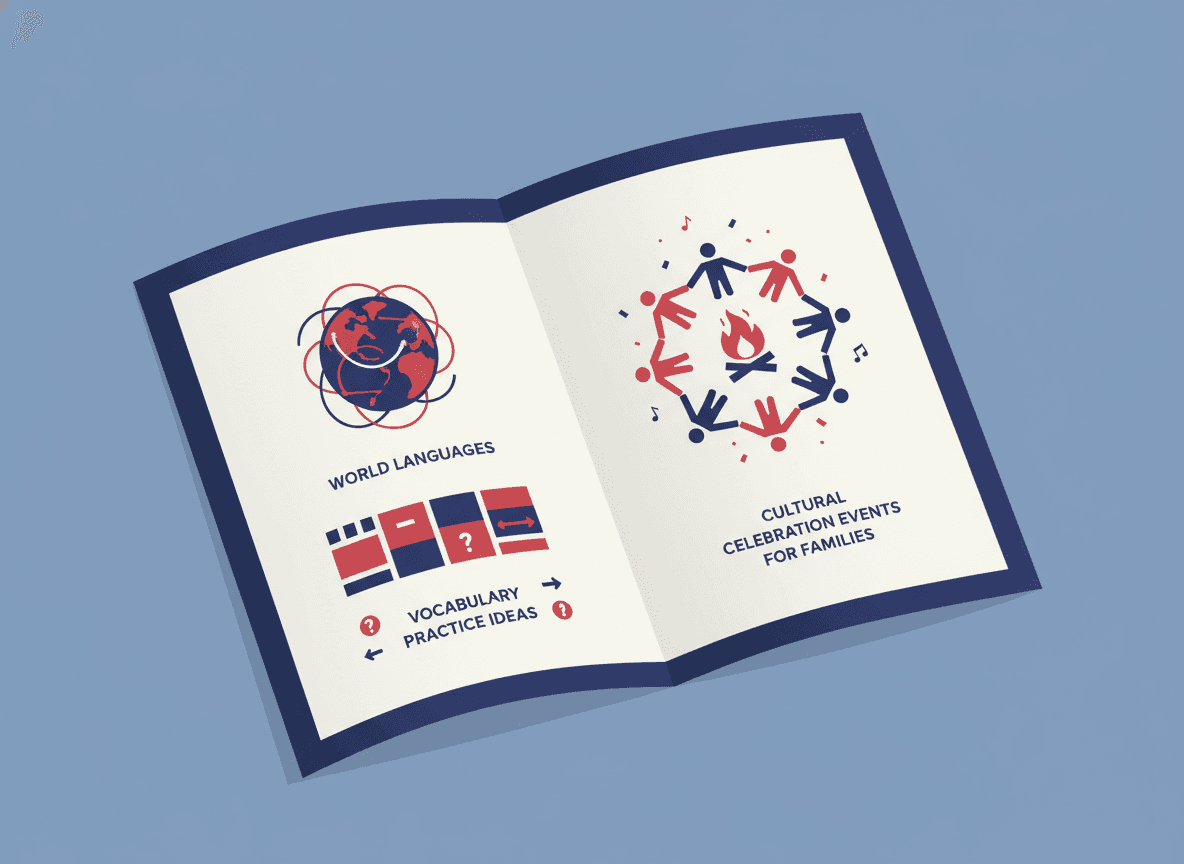
Language learning happens slowly and inconsistently, which makes it one of the hardest subjects for families to follow at home. Parents do not see daily progress the way they see a math worksheet with answers right or wrong. They hear their child say a few words, wonder if it is sticking, and have no good way to tell.
A foreign language newsletter changes that. It explains what the acquisition process actually looks like, gives families real ways to support language learning at home, and builds genuine appreciation for one of the most valuable skills a child can develop.
Why world language teachers need to communicate more than they do
Language classes are among the first to be cut when school budgets shrink, partly because families do not always understand the long-term value and partly because language learning is invisible in the short term. When a child cannot yet hold a conversation in French after a semester of class, a parent who does not understand the acquisition process may conclude that the class is not working.
Your newsletter is the tool that prevents that conclusion. When families understand that language acquisition takes time and follows a predictable sequence, they become patient and supportive rather than skeptical. That patience makes a real difference for student motivation.
How often to send a world language newsletter
Monthly newsletters work well for most language teachers. Many language teachers see students only two to three times a week, so progress feels slow in the short term. Monthly communication allows enough time to describe meaningful progress without forcing you to report on what happened in a single lesson.
If you have performance assessments, conversation exams, or cultural events coming up, send an additional newsletter to preview what families can expect and what students are preparing.
What to include in a world language newsletter
- What vocabulary or structures students are learning. Name the unit theme and list the core vocabulary or grammatical structures in focus. "This month, students in second-year Spanish are learning to talk about future plans using 'ir a' plus infinitive. They can now express what they are going to do this weekend, this summer, or when they grow up." That framing shows progress concretely. Parents can test it: ask your child what they are going to do this weekend, in Spanish.
- How language acquisition works at this stage. Many parents expect language learning to progress linearly. Understanding that there is a "silent period" at the beginning, that production lags behind comprehension, and that errors are a sign of learning rather than failure changes how families interpret what they see at home. A brief paragraph each month explaining the acquisition process reduces anxiety and builds patience.
- A cultural element connected to the language. Language learning is more motivating when it is connected to culture. Share one cultural fact, tradition, or current event from a country where the language is spoken. "This month, students learned about Día de los Muertos, its origins in pre-Columbian indigenous traditions, and how it is celebrated differently across Mexico and Latin America." That kind of context makes language learning feel like a window into the world, not just vocabulary memorization.
- One thing families can do to support the language at home. Even families who do not speak the target language can support language learning. Watching a show in Spanish with subtitles, trying a recipe from a French-speaking country, or just asking "how do you say that in French?" at dinner are all accessible options. Give one specific idea per newsletter and make it concrete enough to actually do.
- How to celebrate multilingual family members. Many students come from homes where a language other than English is spoken. The newsletter is an opportunity to signal that this is an asset, not a challenge. "Students who speak another language at home have a cognitive advantage in language learning. The ability to switch between language systems transfers to learning new ones." That acknowledgment is powerful for multilingual families and teaches monolingual families to value what their neighbors bring.
Addressing "why aren't they fluent yet" concerns
Parents sometimes expect language learning to move faster than it does, especially if they paid for a private language program or remember taking years of a language and never becoming fluent themselves. That memory can make them skeptical of school language programs.
Address this directly, once, in an early-year newsletter. "Language acquisition takes significant time and exposure. School language classes build the foundation: accent, structure, and vocabulary. The fluency that comes from extended immersion or travel builds on this foundation. We are not promising fluency in two years. We are promising that your child will have a real head start." That honest framing sets appropriate expectations and explains why the work matters even if students cannot yet order dinner in a restaurant.
Connecting to language in students' daily lives
Language learning feels abstract until it becomes personal. When a student uses their Spanish in a conversation with a neighbor, reads a French product label at the grocery store, or recognizes a German word in a movie subtitle, something clicks.
The newsletter can accelerate those moments. Point families toward opportunities to encounter the target language in daily life. "Spanish is the second most spoken language in the United States. Encourage your child to notice Spanish labels in stores, Spanish speakers in your community, or Spanish-language media." Making the language visible outside of class is one of the most effective ways to build motivation.
Using Daystage to send language class newsletters
Foreign language teachers often manage multiple grade levels, multiple sections, and (in some schools) multiple language tracks. Daystage lets you maintain separate subscriber lists for each class and send newsletters quickly with a structure that families come to recognize and rely on.
If you teach Spanish and your school has a significant number of Spanish-speaking families, Daystage lets you draft a bilingual version of the newsletter with minimal extra effort. Reaching families in both languages shows respect and positions your class as a place that values the language from multiple angles.
Language learning benefits every aspect of a child's education
The research on language learning is clear: multilingualism strengthens cognitive flexibility, improves executive function, and provides career advantages in a connected world. Your newsletter does not need to cite research studies to make this case. It just needs to show families, consistently, that their child is building a real skill.
When a parent can ask their child a question in the target language and get an answer, the program has made its case better than any newsletter paragraph could. Your newsletter gets them to that moment by keeping them informed and engaged all year.
Get one newsletter idea every week.
Free. For teachers. No spam.
Frequently asked questions
When should foreign language teachers send newsletters to parents?
Monthly newsletters work well for most world language teachers. Because students typically meet two to three times a week, monthly communication allows enough time to report meaningful progress without overstating what can be shown in a single lesson. Add a newsletter before any performance assessment, conversation exam, or cultural event.
What should a foreign language teacher newsletter include?
Name the unit theme and the core vocabulary or grammatical structure in focus, with a clear example families can test at home. Include a brief explanation of how language acquisition works at this stage (silent period, production lagging behind comprehension), one cultural element connected to the language, and one specific thing families can do at home: watching a show with subtitles, naming objects in the target language during dinner, or noticing the language in the community.
How often should foreign language teachers communicate with parents by newsletter?
Monthly is the right cadence. World language progress is slow and invisible in the short term, which makes monthly communication important for maintaining family patience and motivation. An extra newsletter before a major assessment helps families understand what their child is preparing for without requiring them to know the language themselves.
What are common mistakes foreign language teachers make in parent newsletters?
Setting unrealistic expectations about fluency timelines is the most common mistake. Families who expect conversational fluency after one semester will conclude the program is not working. Address this directly and early. A second mistake is skipping the cultural content, which removes the most motivating context for why learning another language matters.
What tool helps foreign language teachers reach multilingual families?
Daystage lets you maintain separate subscriber lists for each class or section, and build bilingual versions of the newsletter with minimal extra effort. Sending a newsletter in both English and the target language's primary community language respects your multilingual families and positions your class as a place that values language from multiple directions.

Adi Ackerman
Author
Adi Ackerman is a former classroom teacher and curriculum writer with 8 years in K-8 schools. She writes about school communication, parent engagement, and what actually works in real classrooms.
More for Subject Teachers
School Registrar Newsletter Guide: Communicating Enrollment, Records, and Deadlines to Families
Subject Teachers · 6 min read
Waldorf Teacher Newsletter: Communicating Seasonal Learning and Developmental Rhythms to Families
Subject Teachers · 6 min read
English Language Arts Newsletter: How ELA Teachers Can Communicate With Families
Subject Teachers · 7 min read
Ready to send your first newsletter?
3 newsletters free. No credit card. First one ready in under 5 minutes.
Get started free