
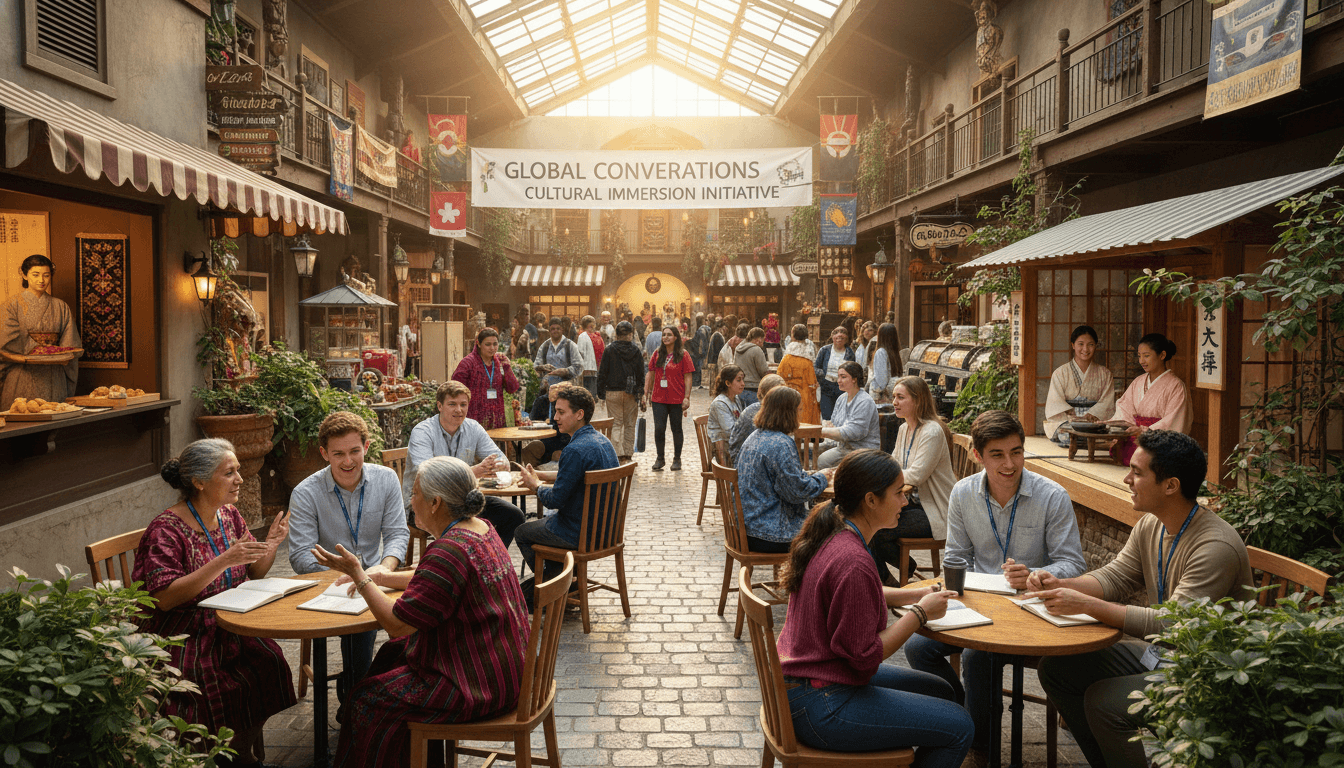
Foreign Language Teacher Newsletter: Field Trip Newsletter to Parents
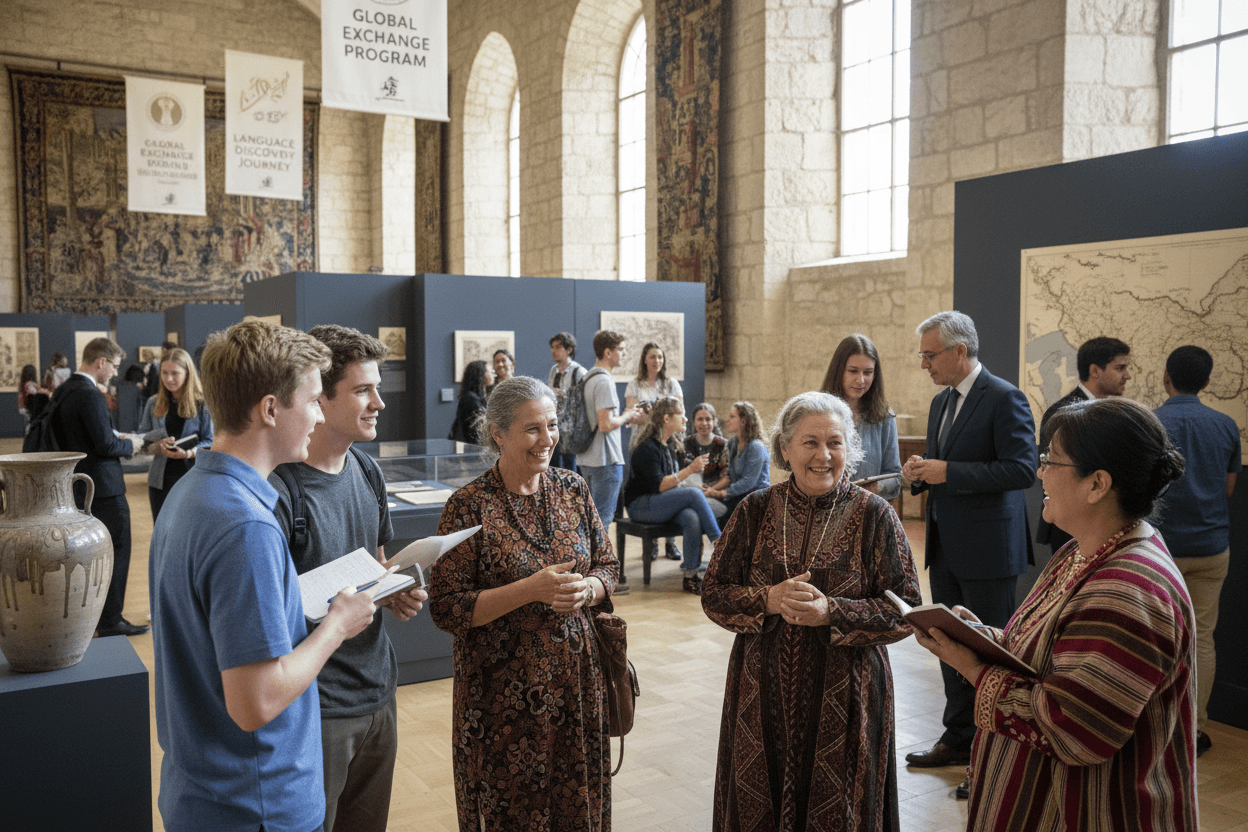
A foreign language field trip is one of the most powerful instructional tools available to a world language teacher. Authentic cultural experiences, native speakers, menus in the target language, and real environments where the language is used for genuine communication create learning that classroom instruction alone cannot replicate.
But the trip only delivers its full educational value if families understand what their child will experience and why it matters. A clear, purposeful field trip newsletter bridges the gap between permission slip logistics and the deeper learning happening during the visit.
Name the destination and explain its cultural and linguistic significance
Open your newsletter by naming the destination and explaining specifically why it was chosen. A visit to a Mexican cultural center, a French film screening, a Japanese restaurant, or a community event hosted by a local heritage organization each carries different cultural content and different language opportunities. Name the cultural context: which country or community's culture will students engage with, and why does that culture connect to what students have been studying?
This framing signals that the trip is curriculum, not recreation. When families understand that the destination was chosen intentionally to extend specific units, they approach the logistics with more cooperation and help their child approach the experience with more intentionality.
Connect the visit to the ACTFL cultural goal areas
The ACTFL World-Readiness Standards include cultural competency as a core goal alongside communication. A field trip that develops cultural knowledge (what people in the target culture do and produce), cultural practices (how and when they do it), and cultural perspectives (why they do it) is hitting three of the five goal areas simultaneously.
You do not need to use the academic terminology in the newsletter, but you can describe the goals in plain language: "Students will observe how Day of the Dead traditions are practiced and why they hold meaning for Mexican families, which connects directly to what we have been studying in our cultural unit." That sentence tells families the trip has educational depth without requiring them to know what ACTFL is.
Tell students what language tasks they will attempt during the visit
A field trip to an authentic cultural environment is most powerful when students use the language, not just observe it. Tell families what language tasks students will attempt during the visit: ordering from a menu entirely in the target language, introducing themselves to a cultural guide using the greeting phrases from class, or asking at least two questions during a demonstration. Name the specific phrases or structures they should review before the trip.
Students who know they have a language task to complete during the visit pay more attention, listen more carefully, and leave with more. The newsletter is where you plant that expectation and give families the tools to help their child prepare.
Provide a vocabulary preview families can use at home
Include five to ten vocabulary items relevant to the field trip context. If students are visiting a restaurant, list common menu items and how to order politely. If they are visiting a museum, list words for common exhibit categories. If they are attending a cultural performance, list vocabulary for discussing what they saw afterward.
This vocabulary preview gives families something concrete to do the night before. Even a five-minute review of the target vocabulary in the car on the way to school improves student performance on the language tasks they will attempt at the destination.
Handle cultural sensitivity and community context thoughtfully
If the field trip involves visiting a community where the target language is spoken as part of everyday life, acknowledge that context in the newsletter. Tell families that students will be guests in a community and that respectful, curious engagement is the expectation. If there are specific cultural norms at the destination that students should know, such as removing shoes, asking before photographing, or specific greeting customs, explain them in the newsletter so students arrive prepared.
This preparation is both a logistics step and a cultural competency lesson. Families who read about it in the newsletter reinforce that respect for cultural context is part of what language learning means.
Describe the logistics families need to act on
After the educational framing, give families the practical information: permission slip deadline, departure and return times, whether students need spending money and how much, what to pack, and whether the dress code differs from the normal school day. If the field trip is to a restaurant, clarify whether the school is covering the cost or whether students need to bring a specific amount.
Assign a reflection task and tell families about it in advance
Tell families that students will complete a reflection assignment after the trip and describe what it will involve. A written reflection in the target language, a presentational task where students describe one thing they learned about the culture, or a classroom discussion using the vocabulary from the trip all reinforce the learning and give students a reason to engage actively during the visit. When families know the reflection is coming, they ask better questions on the way home from the trip.
Get one newsletter idea every week.
Free. For teachers. No spam.
Frequently asked questions
What makes a foreign language field trip different from other field trips in terms of parent communication?
The cultural and linguistic goals need explicit explanation. A field trip to a French bistro or a Latin American cultural museum has educational value that parents may not recognize unless the teacher names it. The newsletter should explain which language skills students will practice in an authentic context and how the experience extends what they have been doing in class.
How should a foreign language teacher prepare students for a cultural immersion field trip in the newsletter?
Tell families what language tasks students will be expected to attempt during the visit. If students will order food in the target language at a restaurant, give them the vocabulary in advance and suggest practicing at home the night before. If they will interact with native speakers at a cultural center, describe what those interactions will involve so students arrive confident rather than anxious.
Should a foreign language field trip newsletter address cultural competency explicitly?
Yes. Cultural competency is one of the five goal areas of the ACTFL World-Readiness Standards, and a field trip is one of the best ways to develop it. The newsletter should explain what cultural knowledge students will gain and why it matters for language proficiency. Students who understand cultural context communicate more accurately and appropriately in the target language.
How should a foreign language teacher handle field trips to destinations where the target language is spoken as a minority language in the local community?
Address this directly in the newsletter and treat it as an asset. If students will visit a neighborhood or business where Spanish, Mandarin, or another target language is the primary language of the community, explain that this is a genuine immersion opportunity that reinforces why learning the language has real-world relevance. Brief guidance on how to approach interactions respectfully is also appropriate.
How does Daystage help foreign language teachers write field trip newsletters that communicate cultural and educational purpose clearly?
Daystage gives world language teachers a newsletter format that lets you blend logistics and educational framing in one readable email. You can include the permission slip link, the language tasks students will practice, the cultural context for the visit, and the reflection assignment, all in one place. Families see the full educational picture, not just the permission form.

Adi Ackerman
Author
Adi Ackerman is a former classroom teacher and curriculum writer with 8 years in K-8 schools. She writes about school communication, parent engagement, and what actually works in real classrooms.
More for Subject Teachers
Ready to send your first newsletter?
3 newsletters free. No credit card. First one ready in under 5 minutes.
Get started free