

English Language Arts Teacher Newsletter: Supply Request Newsletter
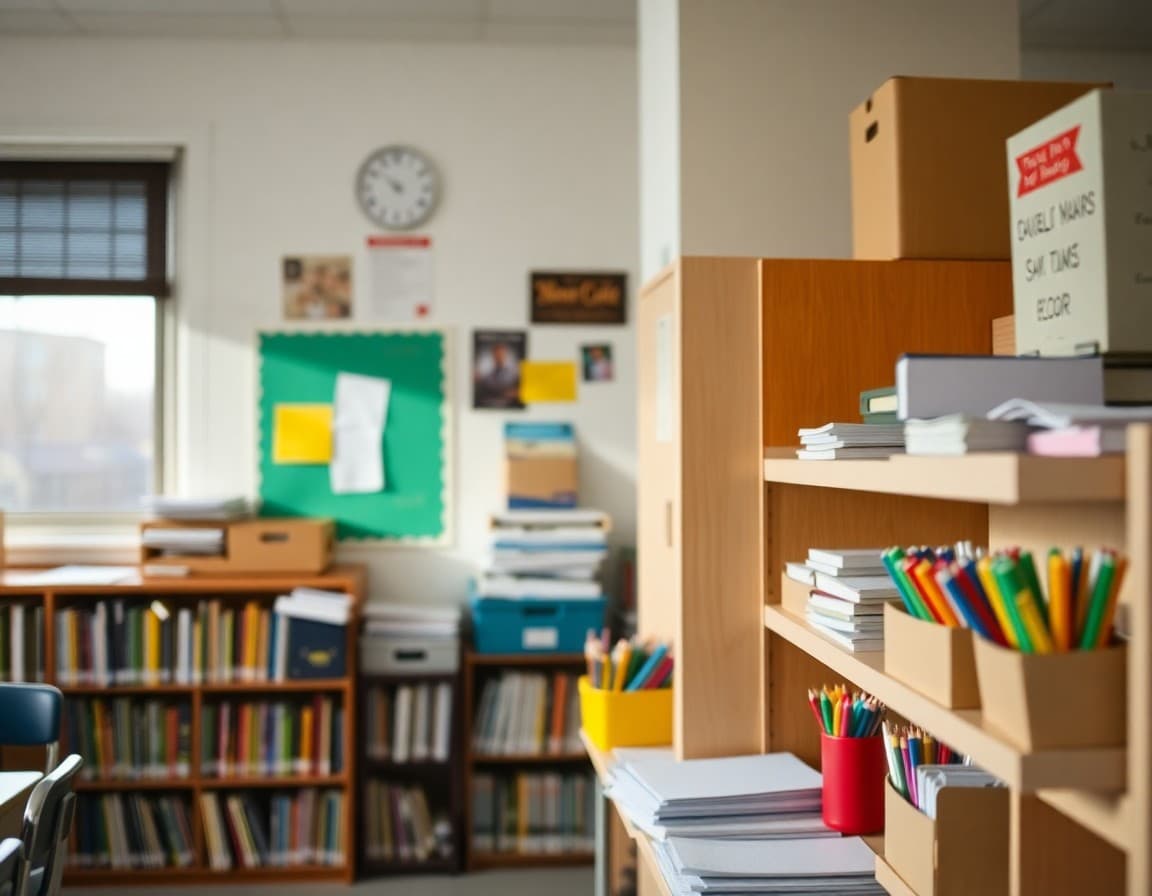
ELA classrooms have distinctive supply needs that families do not always anticipate. The annotation work, the writing process, the classroom library, and the portfolio management that happen in an ELA class require specific materials. A supply request newsletter that explains the connection between each item and the learning it supports generates more donations and more goodwill than a generic school supply list.
Lead With the Learning Purpose
Open your supply request newsletter by connecting the request to what students are doing. "This year we will spend significant time annotating texts, drafting and revising writing, building our classroom library, and keeping reading and writing portfolios. The supplies I am requesting directly support these activities. Here is what I need and why each item matters."
Writing Supplies
Describe each item with its educational purpose. "Composition notebooks: each student needs one dedicated to this class for daily writing, reader's notebook entries, and drafting. A composition notebook (college-ruled, 100 pages) costs about $2. Please label it with your student's name before the first day of class." If you have a preferred brand or format, name it. If you are flexible, say so.
"Sticky notes: we use these daily for annotation work, where students mark significant quotes, track character development, and record questions while reading. I use approximately 20 packs per year. 3x3 inch size, any color, any brand. A pack of 100 costs about $1.50. Donations of even one or two packs are valuable."
Classroom Library Books
The classroom library is one of the most impactful resources in any ELA classroom. Students who have access to a rich, diverse library read more, and students who read more write better. "I am looking to expand our classroom library this year. Priorities include: young adult novels featuring protagonists from underrepresented backgrounds, high-interest nonfiction on topics students care about (true crime, sports, science, social justice, music), and graphic novels for students who are building reading stamina. New or gently used books in good condition are both welcome."
If you use a wish list platform, link to it directly. "I have set up a classroom library wish list on Amazon at the link below. Every book on the list was chosen specifically for the students in this class." A curated wish list is more likely to result in useful donations than an open-ended request.
Portfolio Organization
Many ELA classes use writing portfolios that students maintain throughout the year. "Students will keep a writing portfolio in this class, collecting all major drafts and final essays throughout the year. They need a one-inch three-ring binder and four dividers, labeled: Narratives, Arguments, Informational Writing, and Independent Work. This portfolio will be part of their final grade and will go home at the end of the year as a record of their growth as writers."
Highlighters for Close Reading
Close reading annotation often requires multiple colors. "Students will use highlighters throughout the year for close reading work: one color for evidence, one for author's craft, one for questions. A four-pack of highlighters in different colors costs about $2 and will last the year." Specifying the purpose prevents students from buying fluorescent yellow and calling it done.
For Families Who Cannot Purchase Everything
Include an opt-out option without stigma. "The composition notebook and binder are the only required personal items. Everything else on this list is for classroom use, and I have alternative ways to manage if supplies are limited. If purchasing the required items is a challenge, please send me a private message and I will make sure your student has what they need." That sentence removes the barrier for families who need assistance.
Acknowledging Donors in Your Next Newsletter
When donations arrive, acknowledge them in your next newsletter. "Thank you to the 14 families who donated books, sticky notes, and writing supplies in September. Our classroom library has grown by 23 titles, including 11 new young adult novels that students are already checking out. Those donations are being used every day." That acknowledgment is specific, grateful, and motivating for future contributions.
Get one newsletter idea every week.
Free. For teachers. No spam.
Frequently asked questions
What supplies do ELA classrooms most commonly need from families?
ELA classrooms need supplies in three categories. Writing tools: composition notebooks, pens (black or blue ink for formal writing), and sticky notes in multiple colors for annotation work. Reading materials: books for the classroom library, particularly diverse and high-interest titles at a range of reading levels. Organizational tools: binders or folders for writing portfolios, dividers for multi-unit organization, and highlighters for close reading annotation. A newsletter that distinguishes between these categories and explains how each supports specific classroom activities will get more donations than a generic list.
How do I ask for classroom library books in a newsletter?
Name the types of books you need and why. 'I am looking for young adult novels featuring characters of diverse backgrounds, graphic novels for reluctant readers, and nonfiction titles on topics students care about (true crime, sports, science, social justice). These will go into our classroom library, which students access daily during independent reading. If you have books at home that your student has outgrown, those are welcome donations.' That description explains the purpose and makes donating used books feel appropriate.
How do I ask for sticky notes without sounding like I am asking for an absurd amount of office supplies?
Connect the request to the classroom practice. 'We use sticky notes constantly in ELA for annotation work: marking significant quotes, writing questions in the margins of text, and tracking character development across chapters. I go through approximately 20 packs of 3x3 sticky notes per year. A donation of even two packs makes a real difference. Any color is fine.' That explanation converts an odd-sounding request into a sensible one.
Should I ask for individual student supplies or classroom-wide donations?
Both, in separate sections. Student supplies (a composition notebook, a specific binder, or a set of highlighters) should be listed as personal requirements. Classroom donations (library books, shared sticky notes, or class sets of pens) should be listed separately as appreciated extras. Families who cannot afford extras will not feel pressured, and families who want to contribute more will have a clear path to doing so.
What tool works best for an ELA supply request newsletter?
Daystage lets you include direct links to specific items on Amazon or a classroom wish list, which makes donating as frictionless as possible. A supply request newsletter that includes a direct Amazon link to the exact brand of composition notebook you want, priced at $2.49, converts interest into action far more reliably than a description without a link.

Adi Ackerman
Author
Adi Ackerman is a former classroom teacher and curriculum writer with 8 years in K-8 schools. She writes about school communication, parent engagement, and what actually works in real classrooms.
More for Subject Teachers
English Language Arts Newsletter: How ELA Teachers Can Communicate With Families
Subject Teachers · 7 min read
English Language Arts Teacher Newsletter: Setting Up the Year
Subject Teachers · 6 min read
English Language Arts Teacher Newsletter: Teacher Newsletter Examples That Actually Work
Subject Teachers · 7 min read
Ready to send your first newsletter?
3 newsletters free. No credit card. First one ready in under 5 minutes.
Get started free