

English Language Arts Teacher Newsletter: Setting Up the Year
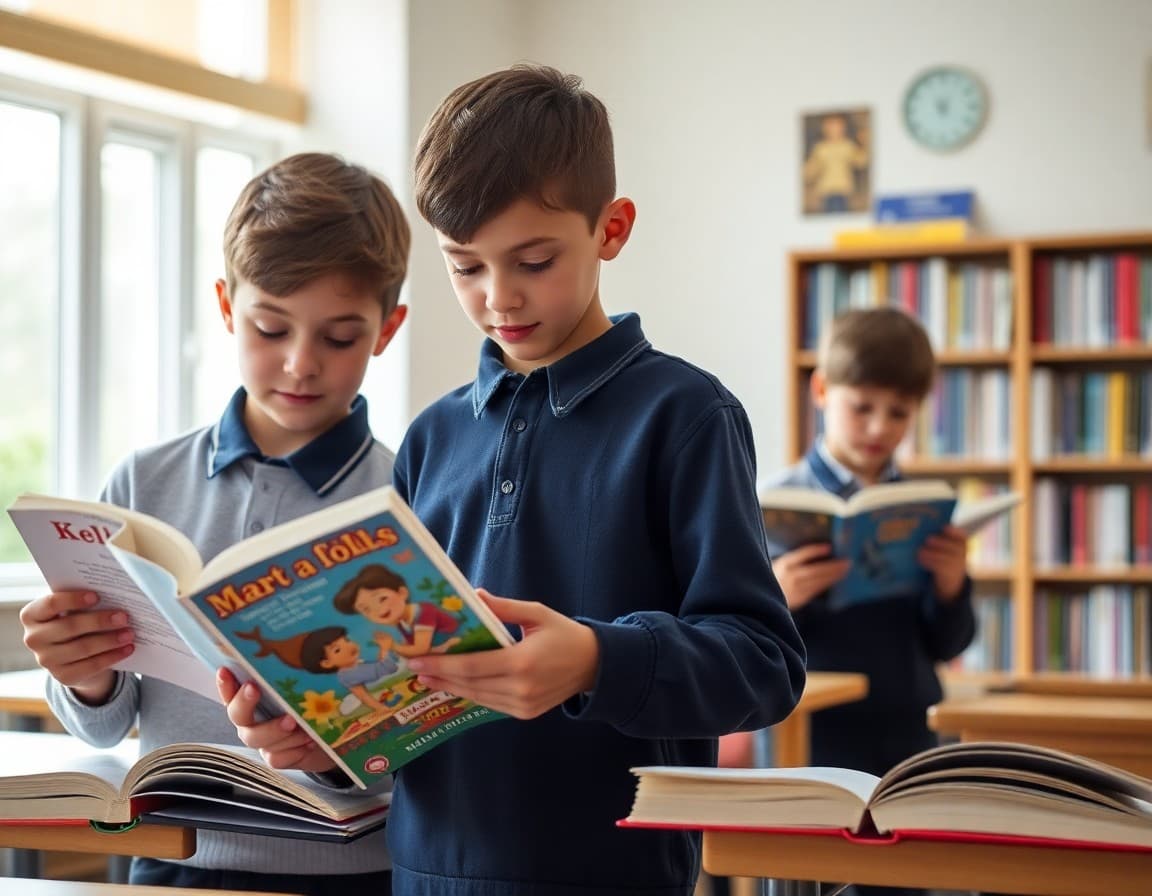
The beginning-of-year ELA newsletter sets the tone for every interaction you will have with families for the next 10 months. Families who receive a clear, specific, warmly written introduction to your course arrive at conferences prepared, support reading at home more consistently, and are less likely to raise concerns that could have been prevented with early communication. Here is how to write one that does all of that.
Introduce Your Course With Specific Texts
Do not describe your ELA course in abstract terms. Name the texts. "This year we will read The Giver by Lois Lowry, Of Mice and Men by John Steinbeck, and selected poetry from the Harlem Renaissance as our core class texts. We will also complete independent reading units in which students choose their own books with my guidance. Our writing units will cover argument, narrative, and informational writing, with a research paper in the spring." That specificity gives families a calendar of what is coming and signals that you have a coherent plan for the year.
Your Writing Philosophy
Writing is often the ELA component that families most want to understand. Describe your approach in plain language. "Writing in this class is a process: students draft, receive feedback from me and from peers, revise, and often publish a final version. I do not grade first drafts. I grade revised work that shows evidence of the student's thinking and effort. The goal is for students to develop as writers over the year, not to produce perfect papers from the start." That explanation sets expectations that reduce frustration at every point in the year.
Reading at Home: What You Actually Expect
Be specific about reading expectations outside class. "Students are expected to read at least 20 minutes per night from their independent reading book. During the first two weeks, I will help each student choose a book that is engaging and appropriately challenging. If your student tells you they have no reading homework, they should be reading their independent reading book. That book should always be accessible." That clarity prevents the "the teacher never assigns reading" conversation that happens in October.
How Grades Work in Your ELA Class
ELA grading is often more holistic and less formulaic than math grading, which confuses some families. Explain your grading breakdown. "Your student's ELA grade comes from four areas: major writing assignments (40%), which are assessed using a rubric I will share before each assignment; reading comprehension and analysis tasks (30%); participation in discussion and reading conferences (20%); and daily work including reading logs and vocabulary (10%). I do not grade student opinions; I grade whether they can support their thinking with evidence from texts."
The Vocabulary Program
If your class uses a formal vocabulary program, describe it. If vocabulary is embedded in reading, explain that. "Vocabulary instruction in this class comes from our reading. When students encounter unfamiliar words in our class texts, we analyze them in context and connect them to root words, prefixes, and suffixes. Students keep a vocabulary journal with words they collect from their independent reading. There are no weekly vocabulary tests; vocabulary knowledge is assessed through writing quality and reading comprehension."
How Families Can Support ELA at Home
Give families specific, practical actions. "The best home support for ELA is reading together or talking about books. Ask your student what they are reading and what they think about it. Ask them to explain a character's motivation or predict what will happen next. Families who are willing to discuss ideas at home accelerate the critical thinking that ELA class is building. If your student is struggling with writing, the most effective support is asking them to read their draft aloud, which helps them hear what is unclear."
Your Communication Approach
Close by describing how you communicate throughout the year. "I send a monthly newsletter describing what we are reading and writing, any upcoming assessments, and any family events related to our literacy work. I am available by email and respond within 48 hours. For concerns about grades or writing development, I prefer a scheduled 15-minute call over email, because the conversation goes faster and produces better outcomes than an email exchange. You can use Daystage to schedule a call directly from the newsletter."
Get one newsletter idea every week.
Free. For teachers. No spam.
Frequently asked questions
What should a beginning-of-year ELA newsletter include?
Five things: what texts students will read, what writing skills will be developed, how the course is graded, what family support looks like at this grade level, and how to contact you. Families who receive all five pieces arrive at conferences with context, have conversations at home about books and writing, and are less likely to be surprised by a grade at the end of the quarter.
How do I explain the ELA standards to parents in plain language?
Translate the standards into outcomes families can observe. Instead of citing CCSS.ELA-Literacy.W.7.1, write: 'By the end of this year, students will be able to write a multi-paragraph argument that makes a clear claim, supports it with evidence from texts, and explains the connection between the evidence and the claim.' That outcome is visible, understandable, and gives families a concrete picture of what proficiency looks like.
How do I communicate my independent reading philosophy in a newsletter?
Explain your approach directly. If you use independent reading time, describe what it involves: 'Students choose books at their appropriate reading level and read independently for 15 to 20 minutes each class period. I confer with individual readers weekly to discuss their book and monitor their progress. Choice reading is one of the most effective ways to build reading fluency and vocabulary.' If you require book reports or reading logs, describe those expectations clearly in the first newsletter.
Should I tell families which books will be taught as class reads?
Yes, and include a brief description of why you chose each title. 'Our first class novel is The Giver by Lois Lowry. It explores themes of memory, choice, and the cost of conformity, which connect to our first argumentative writing unit. The novel also provides excellent examples of the craft elements we will study: point of view, symbolism, and how an author reveals theme through character and setting.' That rationale builds family engagement and reduces complaints about text selection.
What tool works well for a beginning-of-year ELA newsletter?
Daystage is a strong choice because you can include book cover images, a course calendar, embedded links to reading resources, and a clear contact section. A beginning-of-year ELA newsletter that looks as well-crafted as the writing you will be teaching sends an implicit message about the standards in your classroom.

Adi Ackerman
Author
Adi Ackerman is a former classroom teacher and curriculum writer with 8 years in K-8 schools. She writes about school communication, parent engagement, and what actually works in real classrooms.
More for Subject Teachers
English Language Arts Newsletter: How ELA Teachers Can Communicate With Families
Subject Teachers · 7 min read
English Language Arts Teacher Newsletter: Back to School Newsletter for New Students and Parents
Subject Teachers · 7 min read
English Language Arts Teacher Newsletter: Teacher Newsletter Examples That Actually Work
Subject Teachers · 7 min read
Ready to send your first newsletter?
3 newsletters free. No credit card. First one ready in under 5 minutes.
Get started free