
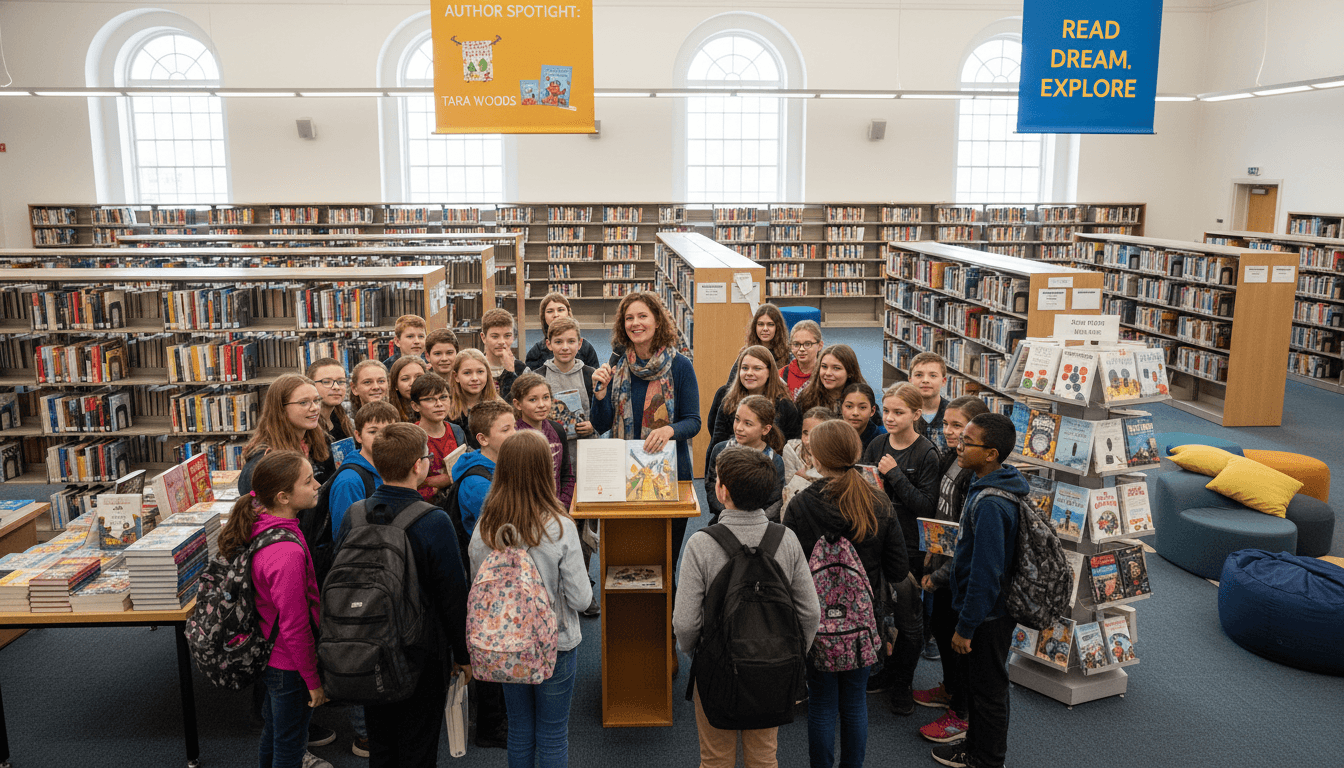
English Language Arts Teacher Newsletter: Field Trip Newsletter to Parents
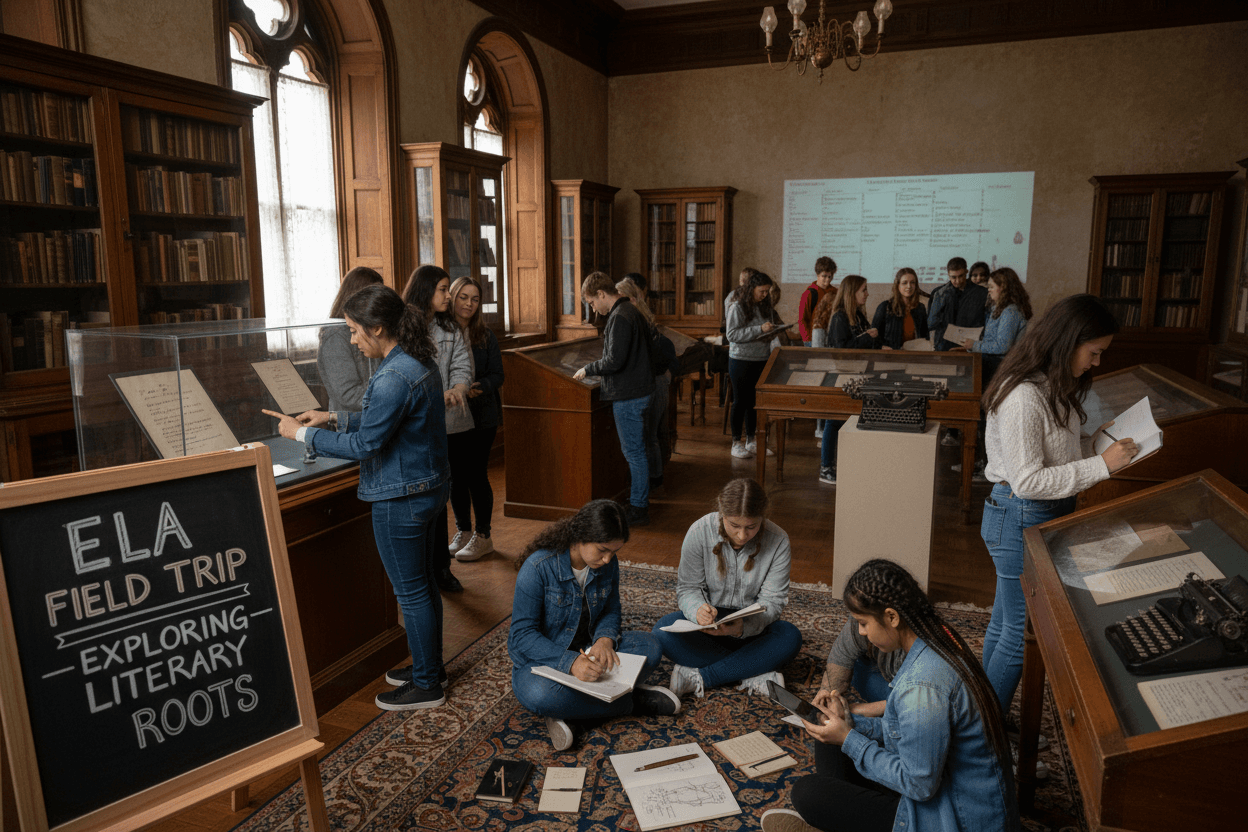
ELA field trips are some of the most powerful learning experiences in the school year, and also some of the most under-communicated. A library visit, an author reading, a theater performance of a novel the class has read, or a trip to a literary museum deserves a newsletter that explains not just the logistics but why the experience matters for the skills students are building. When families understand the purpose, they support the learning instead of just signing the permission form.
This guide covers what to include in an ELA field trip newsletter, how to connect the trip to classroom reading and writing skills, how to prepare students for a productive literary experience, and how to follow up after the trip in a way that extends the learning.
Connect the trip to the current curriculum explicitly
The most important thing an ELA field trip newsletter can do is answer the question families are silently asking: why is this trip happening now? Name the unit, book, author, or theme the class is currently studying and explain the connection to the field trip in plain terms.
If the class has been reading a novel and is attending a theatrical adaptation, say: "We have been studying how authors use narrative structure and dialogue to develop character, and watching a live adaptation will give students the chance to analyze how those same choices look when a director and actors make them." If students are visiting a public library, connect it to the independent reading initiative or the genre study they are in the middle of. The connection should be explicit, not implied.
Give full logistics clearly and early
Cover every practical detail families need: departure and return time, transportation method, chaperone opportunities and how to sign up, what students should wear and bring, cost if any, and how to return the permission form. Include a clear deadline for permission forms and payment, not just "before the trip." A specific date reduces the number of last-minute submissions you process the morning of departure.
If the trip involves purchasing anything, such as a book at an author signing, say so explicitly and give the price range. Families who find out about this cost the day before the trip are not happy, and students who show up without money when their classmates are buying signed copies feel excluded. Early notice lets families make a real decision rather than a rushed one.
Prepare students for the experience before they arrive
A literary field trip is most productive when students arrive with context. Use the newsletter to describe what preparation is happening in class, and suggest one or two things families can do at home to build excitement and background knowledge.
If students are attending an author visit, tell families that students are reading the author's work and preparing questions in class. Suggest that families look up the author with their student at home and read one review of the book together. If students are visiting a museum exhibit about a historical period connected to a text they are reading, suggest a five-minute video about the period at home. These small touchpoints make the trip richer without requiring significant preparation time from families.
Give students a clear observation task
Students who arrive at a literary experience with a specific task observe more closely than students who arrive expecting to be entertained. In the newsletter, describe what students will be doing during the trip, not just watching or attending.
For an author visit, students might be preparing their own questions and taking notes on how the author talks about their writing process. For a theater performance, students might be noting specific moments where the script diverges from the novel and thinking about why. For a library visit, students might be selecting a book from a genre they have not explored this year and writing the first sentences of a review. Telling families what the student's task is reinforces that this is academic work happening in an unusual setting.
Set up the post-trip conversation
Give families a question to ask their student when they get home that night. Not "how was the trip?" which produces a one-word answer, but something connected to the learning: "What question did you ask the author, and what did they say?" or "Was there a scene in the play that was different from how you imagined it when you read the book?" or "What book did you pick at the library and why that one?"
These questions extend the field trip experience into a home conversation that reinforces comprehension, analysis, and reflection. They also signal to students that what happened on the trip is worth talking about, which raises the status of the experience in their minds.
Describe the follow-up work that will happen in class
Tell families what students will do with the experience back in the classroom. A post-trip essay, a reading log entry, a class discussion, or a comparative analysis all count as curriculum extension. When parents know that the trip connects to an assignment coming up, they are more likely to encourage their student to process the experience thoughtfully rather than treating it as a one-day break.
If the field trip connects to an upcoming assessment or a major writing task, mention that explicitly. "Students will be writing a response comparing how the theatrical adaptation and the novel each develop the theme of friendship, and the performance gives them the material they need for that analysis" makes the academic purpose of the trip impossible to miss.
Close with a brief look at what comes next in the unit
End the newsletter by situating the field trip within the larger unit arc. What has the class covered so far, and what comes after the trip? This brief overview helps families see the coherence of the curriculum and understand that the trip is a deliberate part of a sequence rather than a standalone event.
A one-paragraph close that covers the field trip date, the follow-up assignment deadline, and the next major milestone in the unit gives families everything they need to support their student through the rest of the unit.
Get one newsletter idea every week.
Free. For teachers. No spam.
Frequently asked questions
What ELA field trips are worth a dedicated parent newsletter?
Any literary experience that connects directly to classroom reading and writing warrants a newsletter: visits to a public library, an author visit or book signing, a trip to a literary museum or historical site connected to a text you are studying, a theater performance of a book the class has read, or a poetry reading or spoken word event. The newsletter should make the connection between the trip and the current curriculum explicit so parents understand this is not a reward day but an extension of real academic work.
How far in advance should ELA teachers send a field trip newsletter?
Send the initial newsletter two to three weeks before the trip with all logistics and permission requirements. Follow it with a short reminder three to five days before that confirms departure time, what students need to bring, and any dress requirements. For author visits or events that involve purchasing books, give families even more advance notice so they have time to decide whether to send money for a signed copy. More than one family has been frustrated by a three-day notice on a book purchase request.
How should ELA teachers connect a field trip to classroom curriculum in the newsletter?
Name the specific book, author, genre, or theme the trip connects to and explain why you planned this experience now. For example: 'We have been studying narrative structure and point of view in fiction, and this visit to the theater performance of Charlotte's Web will give students a chance to see how a storyteller makes choices when adapting a novel for a live audience.' This connection turns the field trip from an outing into a pedagogical event that families can support with conversation before and after.
What should ELA teachers ask students to do during or after a literary field trip?
Give students a clear observation or reflection task tied to the curriculum. Before an author visit, have students prepare two or three questions they genuinely want to ask. During a library visit, have students find one book in a genre they have not tried. After a theater performance, have students write a comparison of how the stage version handled a scene differently from the original text and why the adapter might have made that choice. These tasks ensure the experience connects back to the reading and writing skills students are developing.
How does Daystage help ELA teachers communicate about field trips?
Daystage lets ELA teachers send professional field trip newsletters that include logistics, curriculum connections, and preparation tasks in a clean, readable format. You can send the initial information newsletter and the reminder closer to the trip without rebuilding the layout each time. Parents receive a proper email they can reference for dates and details rather than scrolling back through a classroom app chat. Daystage also shows you who has opened the newsletter, which helps you identify families who may have missed the permission slip deadline.

Adi Ackerman
Author
Adi Ackerman is a former classroom teacher and curriculum writer with 8 years in K-8 schools. She writes about school communication, parent engagement, and what actually works in real classrooms.
More for Subject Teachers
Ready to send your first newsletter?
3 newsletters free. No credit card. First one ready in under 5 minutes.
Get started free