
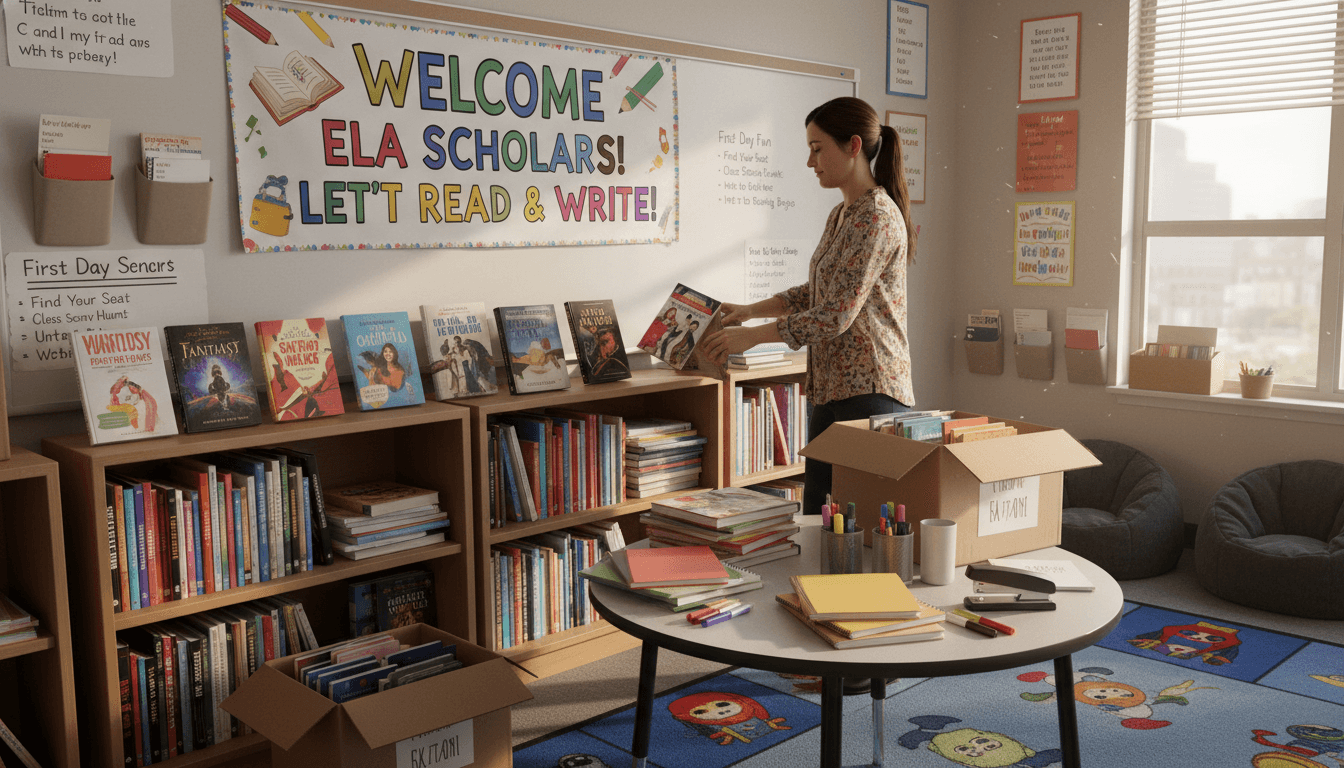
English Language Arts Teacher Newsletter: Back to School Newsletter for New Students and Parents
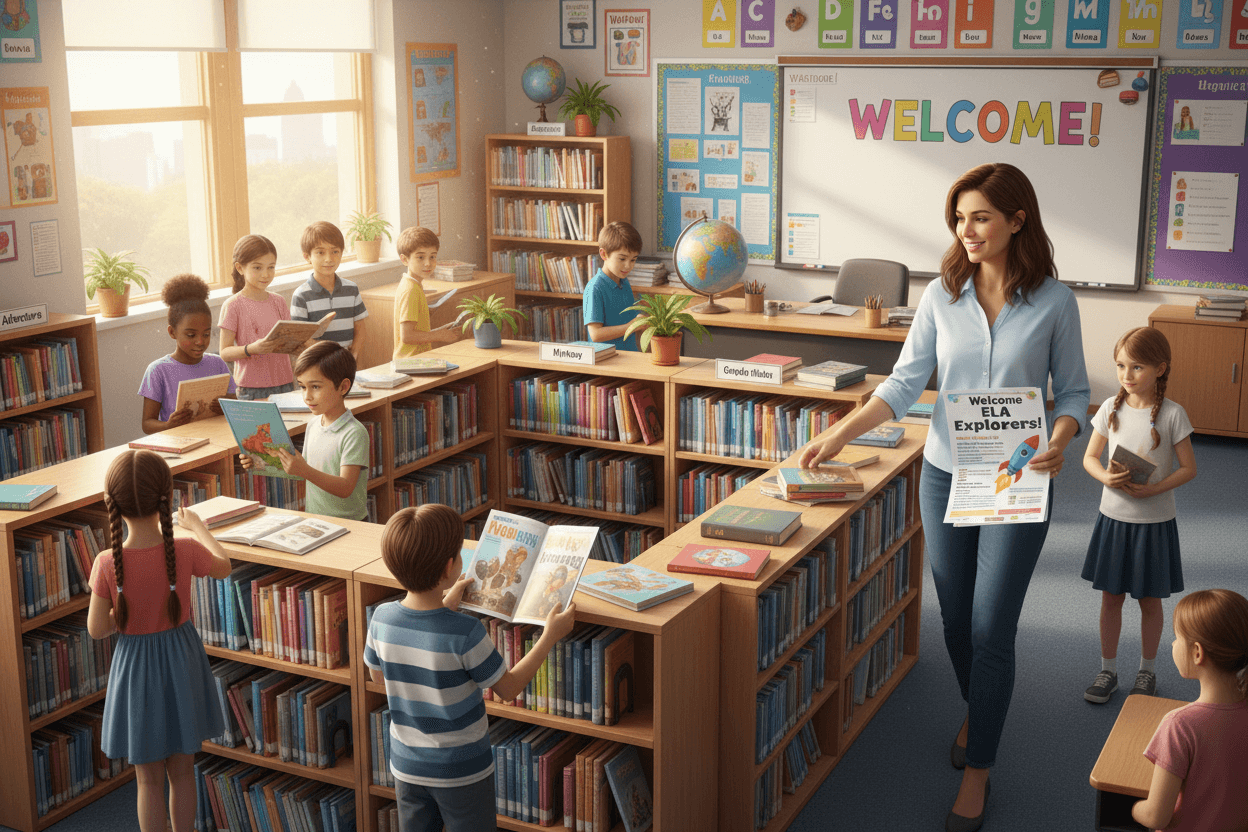
The first ELA newsletter of the year does more than introduce the teacher and the class. It sets the tone for the relationship between your classroom and every family in it. Parents of incoming ELA students want to know what reading and writing will look like, what the expectations are, and how you will communicate when things are going well and when they are not. A back-to-school newsletter that addresses all of this directly creates a foundation that holds the entire year up.
This guide covers what to include in a back-to-school ELA newsletter, how to explain reading and writing expectations clearly, and how to establish communication habits that make parent partnership easier all year long.
Introduce yourself as a reader and a writer
The opening of an ELA back-to-school newsletter is a chance to signal what kind of classroom you run before families form their own assumptions. Be specific about your relationship to reading and writing as an adult, not just as a teacher. Share one book that shaped you as a reader. Name a type of writing you find genuinely hard. This honesty signals to families that your class values authentic engagement with language rather than just skill mastery.
It also models the kind of identity work you are about to ask students to do. A teacher who says "I am a reader who has always loved historical fiction and who struggles with argument writing" is inviting students into a shared intellectual community. That is a more compelling opening than "I am excited to have a great year of reading and writing."
Explain the year's curriculum with real book titles
Name the major texts students will read across the year, organized by term or semester. Use actual book titles whenever possible, not just genre labels. "In the fall we will read a realistic fiction novel about identity, and in the spring we read a historical fiction novel set during a significant moment in American history" is far less useful than naming the actual books. Real titles give families something to look up, check out from the library early, or start building excitement about.
Also name the writing types students will learn across the year: personal narrative, literary analysis, argument essay, informational writing, poetry. Tell families which you start with and why. Knowing that the year begins with personal narrative tells a family something real about how the class is structured and what to expect in the first few months.
Set reading expectations without creating anxiety
Explain that you will assess each student's reading level in the first weeks of school so you can match them with books that are appropriately challenging. Be clear that this is not a sorting mechanism but a tool you use to provide the right support and the right books to every student regardless of where they start.
Tell families what the independent reading expectation looks like in practical terms: how many minutes per day, what types of books are acceptable, and how students track their reading. If you have a classroom library and students can borrow books, describe it. If students are expected to maintain a reading log or writing journal, mention that and describe what it involves.
Explain writing as a process, not a product
One of the most useful things you can do in a back-to-school newsletter is explain that writing in your class is a process. Students will draft, receive feedback, revise, and draft again before producing final pieces. Errors are expected at the drafting stage and are not graded as if they were final work. This distinction matters enormously for families whose students are anxious about writing.
Also tell families what you value in student writing beyond correctness. If you look for specific details, strong verbs, authentic voice, or willingness to take risks with structure or form, say so. A family that knows their student's teacher values voice over perfect grammar will encourage their student differently than one who assumes writing is primarily judged on mechanics.
Describe vocabulary and grammar instruction briefly
Families benefit from knowing that vocabulary and grammar are embedded in the reading and writing work rather than taught as separate subjects. Explain that students encounter new vocabulary through the texts they read and the writing they produce, and that grammar instruction is connected to their own drafts rather than worksheets in isolation.
If you do send home vocabulary words to study, tell families how many and what format. If spelling is assessed, tell families what the expectation is and how it connects to the words students encounter in reading and writing. Parents who know the structure are less likely to do their own supplemental instruction that works at cross-purposes with yours.
Tell families exactly how to support reading at home
Most ELA teachers want families to read with and around their students, but parents need specific guidance rather than a general "please read together." Give them three concrete actions: ask your student what happened in their book and what they think will happen next; let them see you reading for pleasure; resist the urge to turn every reading moment into a comprehension quiz.
That third point is worth emphasizing. Parents who pepper students with comprehension questions during every reading session often reduce a child's enjoyment of reading without increasing their skills. Reading for pleasure is itself a powerful literacy activity, and families who understand that will support it rather than accidentally undermine it.
Set your communication cadence
Close the newsletter by telling families how you will communicate throughout the year: how often newsletters go out, what they typically include, and how to reach you when they have questions. If you respond to emails within 24 hours on school days, say that. If you hold a brief office hour once a week for parent questions, mention it.
Families who know what to expect from you are more likely to read what you send and less likely to reach out with questions that your regular newsletters already answer. Setting that expectation clearly on day one is an investment that saves time throughout the year.
Get one newsletter idea every week.
Free. For teachers. No spam.
Frequently asked questions
What should a back-to-school ELA newsletter always cover?
At minimum: who you are and your approach to reading and writing instruction, the major texts and genres students will encounter across the year, the reading level expectation and how you support students at different levels, the writing types students will learn (narrative, argument, informational), your homework and independent reading policy, your preferred contact method, and how you plan to communicate throughout the year. For younger grades, also include whether there is a classroom library and how students access it.
How should ELA teachers explain reading level expectations to families at the start of the year?
Be direct about what reading level means in your class without making it feel like a verdict. Explain that you assess each student's reading level early in the year so you can match them with books they can read with fluency and comprehension, not because there is a single target every student must hit immediately. Reassure families that your instruction supports growth at every level and that you will communicate if you have specific concerns. This framing reduces parental anxiety and sets an accurate expectation about the individualized nature of reading development.
How do ELA teachers introduce independent reading in a back-to-school newsletter?
Explain what the independent reading expectation is: how many minutes per day, what kinds of books are appropriate, and how students will be held accountable. If you have a classroom library, describe it and tell families how students access books. If students are expected to bring their own books, give guidance on what to look for. For middle school and above, explain whether students choose their own books or whether some reading is assigned. Families who understand the independent reading structure from day one are more likely to carve out reading time at home.
What is the most important thing to say about writing in a back-to-school ELA newsletter?
Tell families that writing in ELA class is a process, not just a product. Students will draft, revise, and receive feedback before producing final pieces. Errors and false starts are part of the process, not a sign of struggle. If you value voice and risk-taking in student writing, say so. This sets a very different expectation than a class where writing is primarily evaluated on grammar and mechanics. Families who understand your philosophy as a writing teacher engage more productively with their student's drafts throughout the year.
How does Daystage help ELA teachers send a strong back-to-school newsletter?
Daystage lets ELA teachers send a polished, professional welcome newsletter to every family on the first day of school without spending hours on formatting. You write your introduction, reading philosophy, curriculum overview, independent reading expectations, and contact information once, and it arrives in every parent's inbox as a clean, readable email. You can also see who opened it, which tells you immediately whether you need to follow up with families who may not have seen your back-to-school communication.

Adi Ackerman
Author
Adi Ackerman is a former classroom teacher and curriculum writer with 8 years in K-8 schools. She writes about school communication, parent engagement, and what actually works in real classrooms.
More for Subject Teachers
Ready to send your first newsletter?
3 newsletters free. No credit card. First one ready in under 5 minutes.
Get started free