
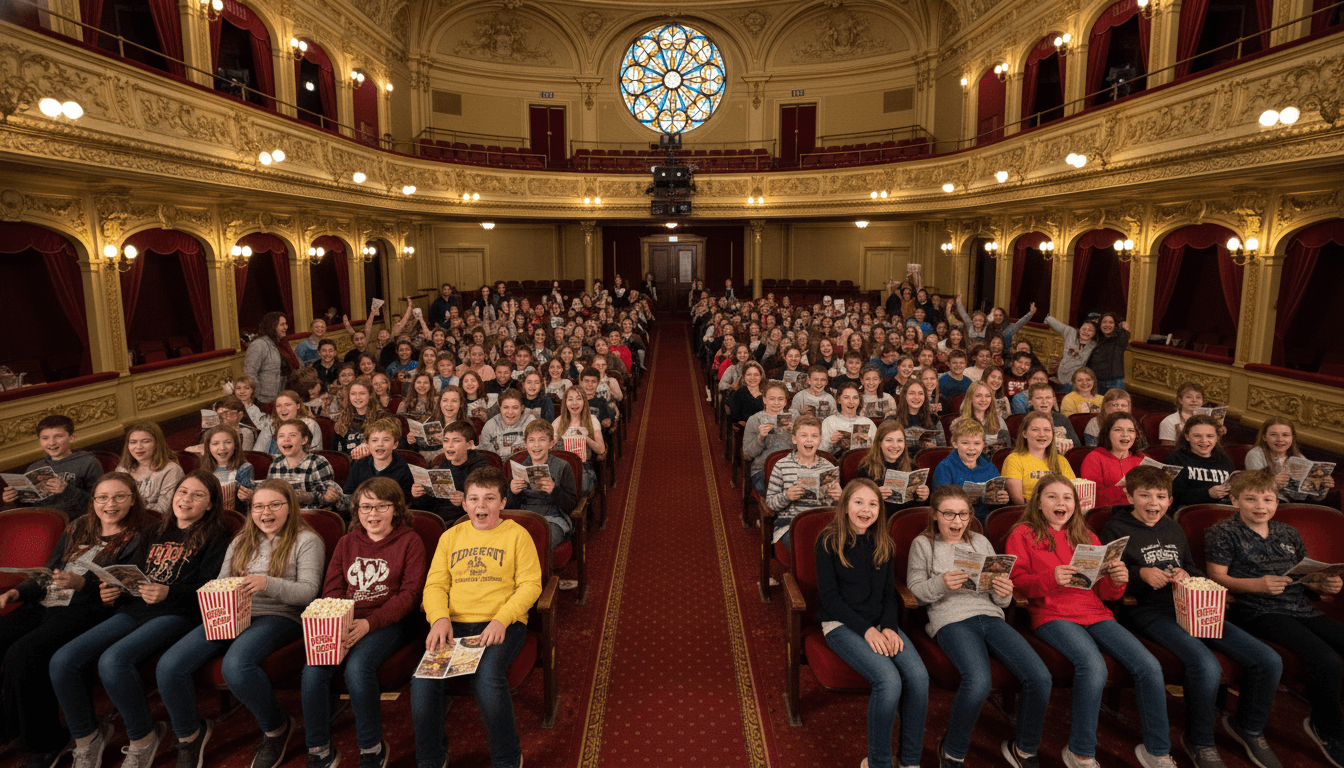
Drama Teacher Newsletter: Field Trip Newsletter to Parents
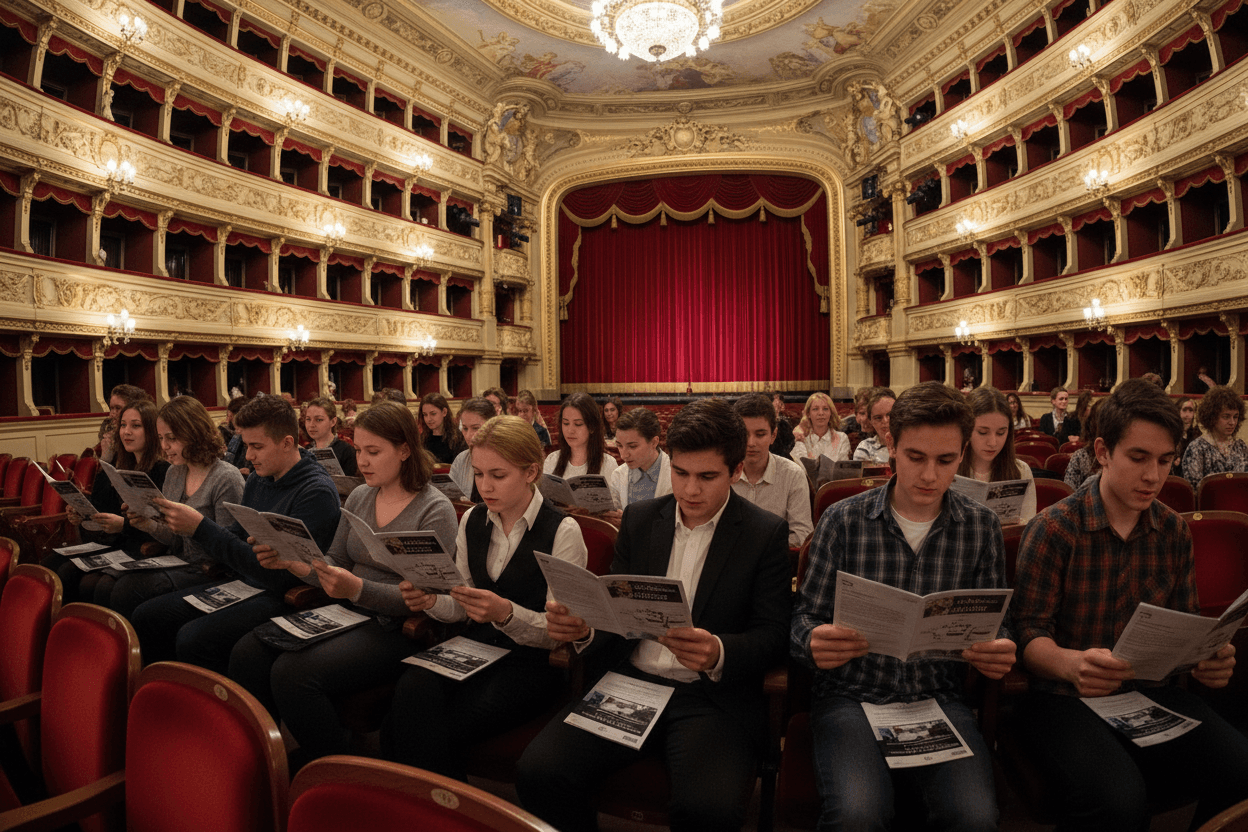
A professional theater visit is one of the most powerful learning experiences a drama teacher can give students. It is also one of the most logistically demanding things to communicate to families. A well-written field trip newsletter handles both at once: it covers the practical details families need and it prepares students to experience the performance as theatre students rather than as passive audience members.
This guide covers what to put in a drama field trip newsletter, how to frame audience behavior as professional development rather than a rule list, and how to build in a reflection assignment that extends the experience beyond the trip itself.
Lead with the production and why you chose it
Before covering logistics, tell families what students are going to see and why you selected this particular production. A sentence or two connecting the show to your current unit makes the trip feel like part of the curriculum rather than a day out of school.
If students are studying Chekhov and you are taking them to see a Chekhov production, say that. If the show is a musical and you are studying how musical theatre uses song to advance narrative, say that. If the production represents a directorial style or design approach you want students to analyze, name it. Families who understand the educational purpose of the trip are more likely to give it their full logistical support and less likely to treat it as optional.
Cover logistics with specificity
Give families every logistical detail they need in one place. Departure time from school, expected return time, transportation method, cost, what is included in the cost, and the permission form deadline. If there is a bag or backpack policy for the venue, state it. If the venue has bag check and students should not bring valuables, say so.
Note whether students will eat before leaving or whether lunch logistics are different that day. If the field trip overlaps with another class period, name the teachers whose classes will be missed so students know how to handle makeup work. The more complete the logistical information in the newsletter, the fewer individual questions you will field in the days before the trip.

Teach audience etiquette as professional practice
Audience behavior in a professional theater is a learned skill, and a drama field trip is the right setting to teach it explicitly. Frame this not as a list of rules but as how professional theatre audiences behave, and invite students to practice those standards.
Be specific. Phones should be fully off and stored, not on silent in a pocket. Recording or photographing a live performance is a copyright violation and a breach of the performer-audience relationship. If a student needs to leave their seat, they wait for a moment between scenes and move as quietly as possible. Applause happens at the end of scenes and at curtain call; commenting loudly to the person next to you during the show is audible to performers. These details matter and students should know them in advance, not be corrected on them in the moment.
Prepare students to watch actively with a study guide
The difference between a passive audience member and an active one is preparation. Giving students three to five observation prompts before the performance focuses their attention on the craft of the production rather than just the story.
Strong observation prompts for a drama class field trip ask students to notice: How does the director use the opening scene to establish the tone of the production? How does the lead actor physically differ from scene to scene as the character's situation changes? What set or lighting choice surprised you and what effect did it create? These questions do not require prior knowledge of the show. They build the habit of watching like a theatre practitioner and give students concrete observations to draw on for the post-trip reflection assignment.
State the dress code clearly
Vague dress code guidance creates day-of problems. Name the venue, give its formality level, and tell families exactly what is and is not appropriate. A downtown professional theater with a formal lobby is a different context than a black box community theater. Students should not look like they are going to a costume party, a sporting event, or a school dance.
A useful dress standard for most professional theater visits: clean, non-distressed clothing at a level of formality comparable to a school presentation. No hats during the performance. Comfortable shoes since students may be walking several blocks. Layer options since theater houses are often cold. Give the specific standard and families will handle it without additional questions.
Explain chaperone expectations and sign-up
If parent chaperones are joining the trip, name their responsibilities in the newsletter. Chaperones keep a group together during transit, monitor their group's behavior in the lobby and auditorium, and stay available during the performance without being disruptive. They are not there to socialize with each other in the back row.
Give clear instructions for how to sign up and how many spots are available. State the deadline. If you have more volunteers than spots, explain your selection process so no parent feels left out without reason. Chaperones who know what is expected of them before the trip are more confident and more effective on the day.
Assign a post-trip reflection so the experience has a landing
A field trip without a follow-up assignment fades quickly. Tell families in the newsletter that students will complete a brief reflection in class after the trip. Name the format: a structured response to the observation prompts, a comparison between the professional production and a class performance, a directorial analysis of one specific scene, or a discussion-based debriefing.
Sharing the reflection format with families does two things. It signals that the trip has academic weight beyond the experience itself, and it gives parents a natural conversation opener when their student gets home: "What did you observe that was different from how your class has been approaching the material?" Families who know the trip connects to real class work are more engaged during the logistics communication and more supportive of the whole experience.
Get one newsletter idea every week.
Free. For teachers. No spam.
Frequently asked questions
What should a drama teacher include in a field trip newsletter to parents?
Cover the logistics first: date, departure and return times, transportation, cost, and permission form deadline. Then give parents the educational context: what production are students seeing, why this show connects to what students are studying, and what students should watch for during the performance. A drama field trip newsletter that explains the artistic purpose of the trip rather than just the logistics gets better family buy-in and makes students take the experience more seriously.
How should a drama teacher explain audience etiquette in the newsletter?
Be specific rather than general. Do not say 'be respectful.' Say: keep phones off and stored, not silenced; do not record or photograph during the performance; hold applause until the end of a scene unless the audience around you begins first; if you need to leave your seat, wait until a scene break; do not comment loudly to the person next to you during the show. Performers on stage can hear the house. Treating the audience expectations as part of the educational content of the trip gives students a professional frame of reference rather than a list of rules.
Should the field trip newsletter include discussion questions?
Yes. Three to five discussion questions given before the performance prepare students to watch actively rather than passively. Questions like 'What choice does the director make in the opening scene that tells you something about the production's tone?' or 'How does the actor use their body when the character is afraid versus confident?' give students something to look for. Share these questions with parents as well so families can have a real conversation about the show after the trip.
What dress code guidance should a drama field trip newsletter include?
Name the venue, explain its formality level, and give a specific dress standard. A professional regional theater visit typically calls for neat, non-costume clothing that a student would wear to a school presentation. A community theater visit in a more casual setting may allow everyday school clothes. Avoid vague language like 'appropriate attire.' Tell students and families exactly what is and is not appropriate so there are no day-of surprises.
How does Daystage help drama teachers send field trip newsletters quickly?
Daystage gives drama teachers a newsletter template they can update for each production visit without starting from scratch. Add the show name, the venue, the date and logistics, the discussion questions, and the dress code, then send to all drama families in one send. You can track who opened the newsletter and who has not submitted a permission form, so you are not chasing down families individually in the days before the trip.

Adi Ackerman
Author
Adi Ackerman is a former classroom teacher and curriculum writer with 8 years in K-8 schools. She writes about school communication, parent engagement, and what actually works in real classrooms.
More for Subject Teachers
Ready to send your first newsletter?
3 newsletters free. No credit card. First one ready in under 5 minutes.
Get started free